Why Mobile Access to Healthcare CRM Data Boosts Efficiency

Why Mobile Access to Healthcare CRM Data Boosts Efficiency

Why Mobile Access to Healthcare CRM Data Boosts Efficiency

In today’s fast-paced healthcare environment, efficiency and accessibility are no longer optional—they are essential. Healthcare professionals are constantly on the move, managing patient care, administrative duties, and regulatory compliance. To meet these growing demands, healthcare organizations are increasingly adopting mobile access to Healthcare CRM (Customer Relationship Management) systems. This integration of mobile technology with healthcare CRM data is revolutionizing the way medical professionals deliver care, streamline operations, and enhance patient engagement.

The Evolution of Healthcare CRM

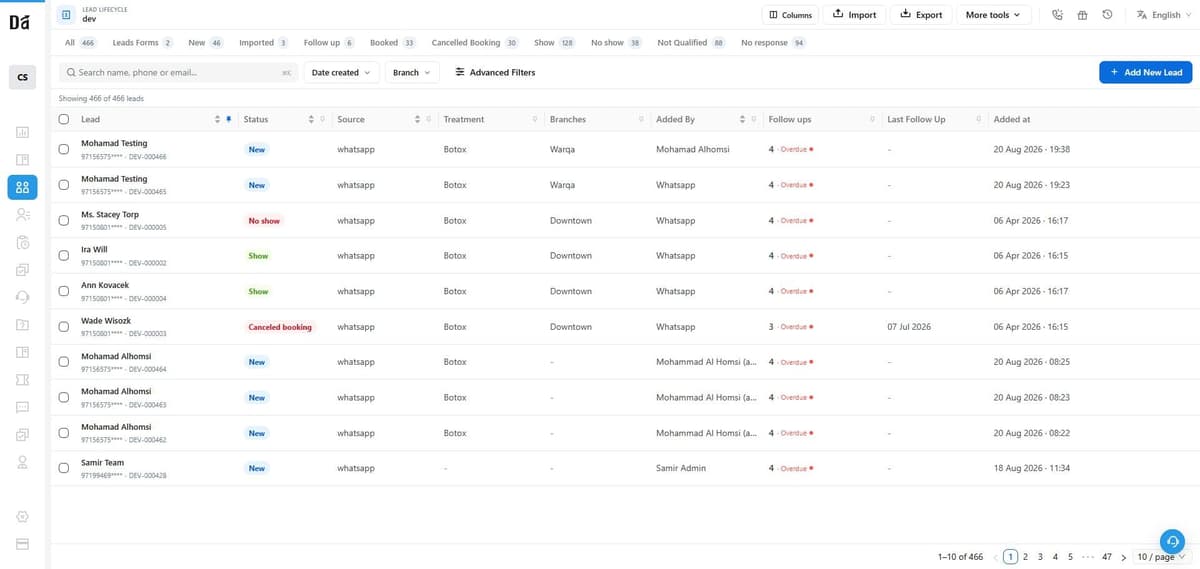
A Healthcare CRM is a specialized platform designed to manage patient relationships, streamline communication, and optimize healthcare delivery. Traditionally, CRM systems were accessed through desktop computers within hospital networks. While this was effective for administrative tasks, it created barriers for on-the-go healthcare professionals who needed real-time access to patient data.

As mobile technology has evolved, healthcare organizations have recognized the potential of mobile CRM access to overcome these limitations. By allowing secure, real-time access to patient data through smartphones and tablets, healthcare providers can now deliver faster, more informed, and more personalized care.

1. Real-Time Access to Patient Information

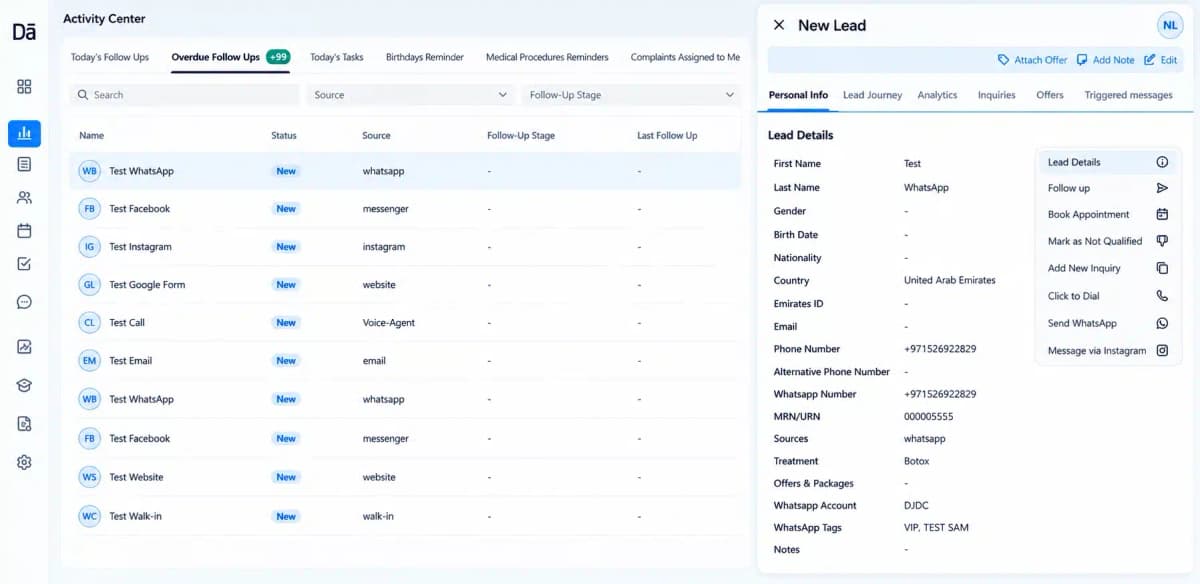
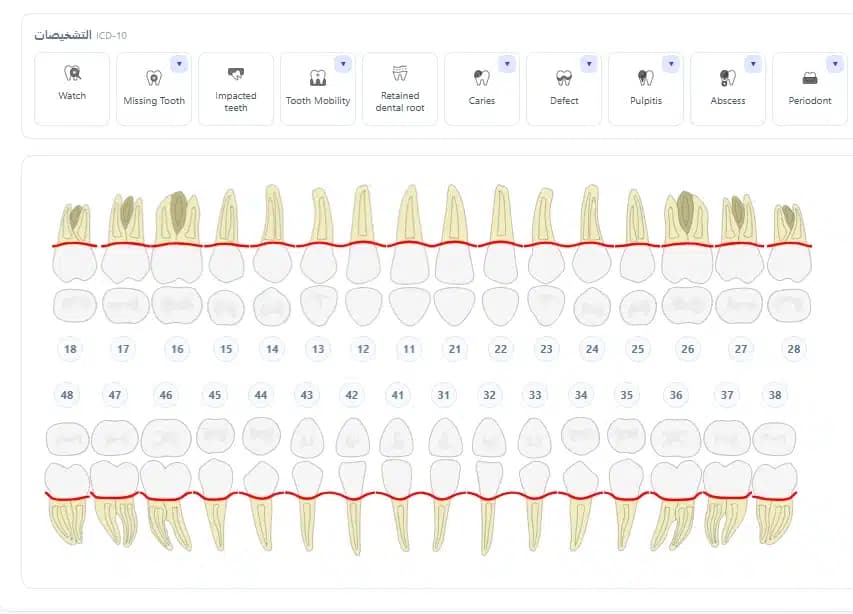
One of the most significant advantages of mobile access to healthcare CRM data is real-time availability of patient information. Whether a doctor is on hospital rounds, attending an emergency, or consulting remotely, they can instantly access a patient’s medical history, current medications, allergies, and previous treatments.

This immediate access eliminates the need to rely on physical files or wait for updates from administrative teams. It also minimizes errors, ensuring that decisions are based on accurate and up-to-date data. For instance, when a patient’s lab results are uploaded to the CRM, a doctor can review them instantly and adjust the treatment plan accordingly—saving valuable time and improving outcomes.

2. Enhanced Communication and Collaboration

Healthcare delivery often involves coordination among multiple professionals—physicians, nurses, pharmacists, and administrative staff. Mobile CRM systems enable seamless communication and collaboration across departments and facilities.

For example, a nurse can log a patient’s symptoms directly into the CRM using a tablet, allowing the doctor to review them in real-time and provide instructions instantly. This eliminates delays caused by paperwork or missed phone calls. Similarly, mobile alerts and notifications keep staff informed about appointment changes, medication updates, or follow-up reminders, ensuring that everyone stays aligned and informed.

This enhanced communication also extends to patient interactions. Mobile CRM platforms can automatically send personalized notifications, reminders, or wellness tips to patients, improving engagement and adherence to treatment plans.

3. Streamlined Workflow and Reduced Administrative Burden

Administrative tasks are a major contributor to burnout in the healthcare industry. By providing mobile access to CRM data, organizations can streamline workflows and reduce paperwork significantly.

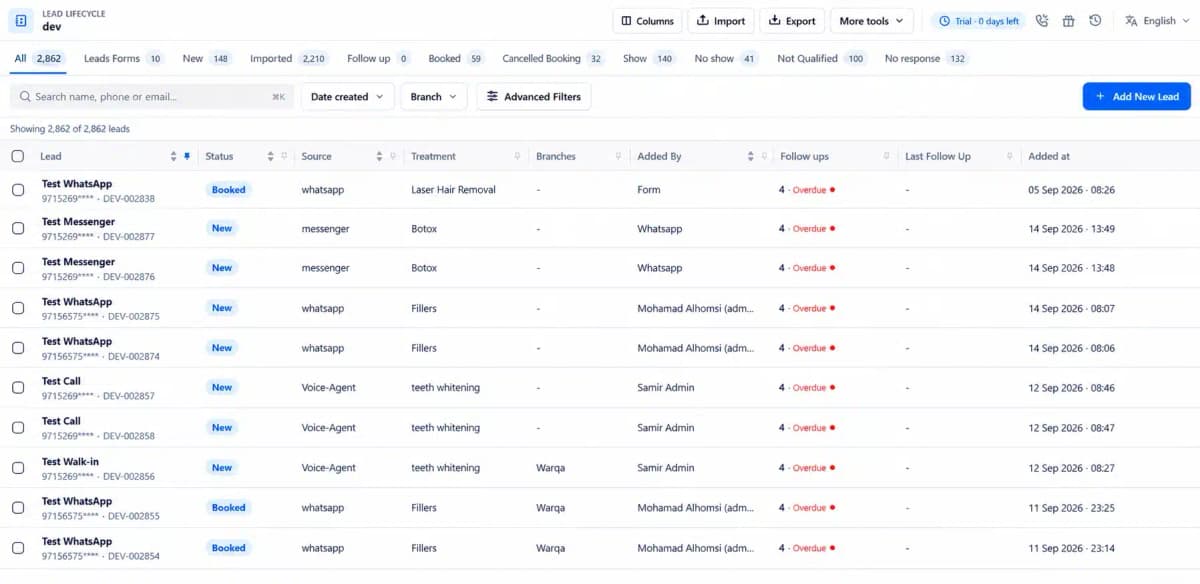
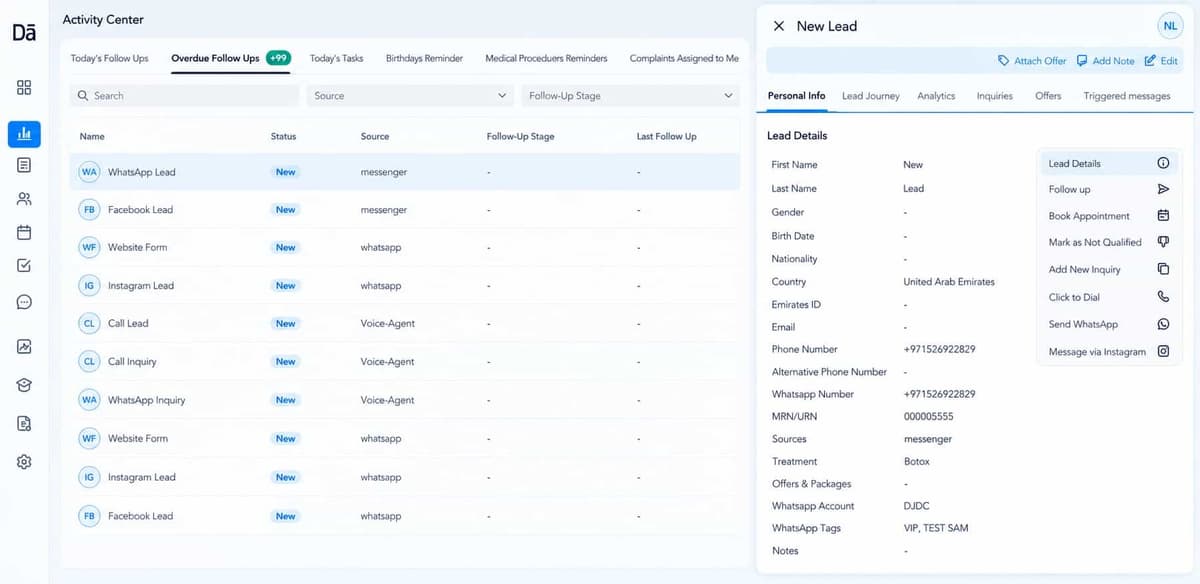
Mobile CRM systems allow healthcare providers to record patient notes, update records, and manage appointments on the go. Instead of manually entering data after each consultation, doctors can log updates in real-time, ensuring that records remain current and reducing duplication of effort.

Additionally, automated scheduling, billing, and reporting tools built into mobile CRMs free up valuable time for medical staff to focus on patient care rather than administrative duties. This leads to improved efficiency across the organization and a more productive healthcare ecosystem.

4. Improved Patient Engagement and Satisfaction

Today’s patients expect convenience and transparency. Mobile CRM access enables healthcare providers to deliver a more responsive and patient-centered experience. When patients contact their healthcare provider, staff can quickly access relevant data from mobile devices and respond promptly, whether it’s to schedule an appointment, provide test results, or answer health-related queries.

Furthermore, many mobile CRM systems integrate with patient portals and mobile apps, giving patients the ability to update their information, monitor their progress, and communicate directly with their care team. This two-way digital communication fosters trust, improves satisfaction, and strengthens long-term patient relationships.

5. Data-Driven Decision-Making on the Go

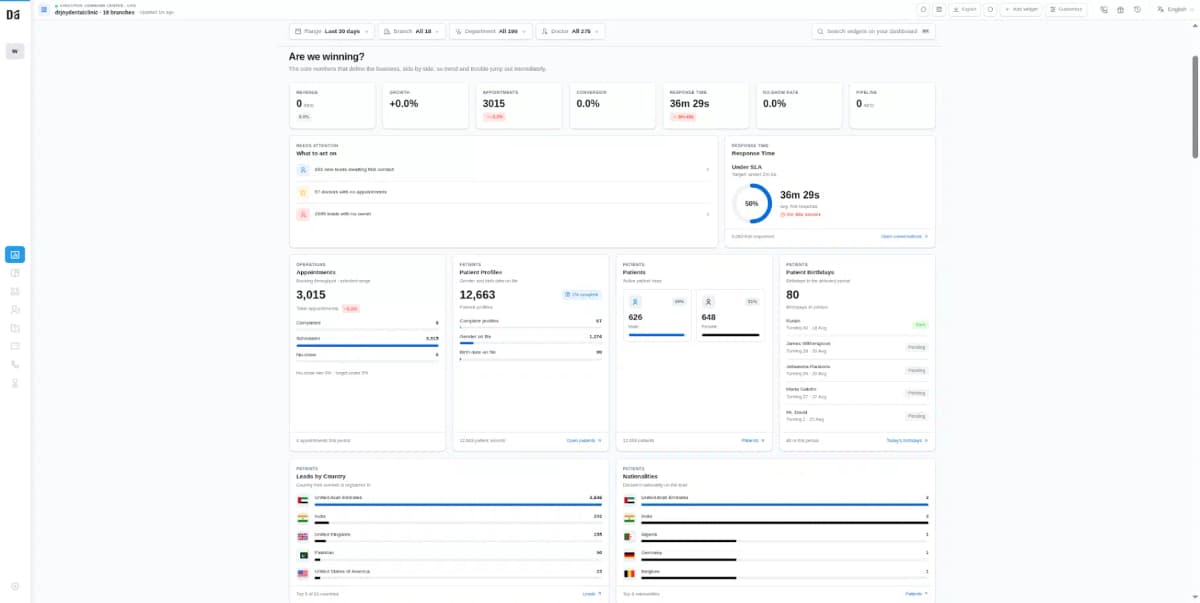
In healthcare, timely and informed decision-making can make all the difference. Mobile CRM access ensures that healthcare professionals always have real-time insights and analytics at their fingertips. From performance metrics to patient engagement reports, these tools empower administrators and clinicians to identify trends, predict patient needs, and optimize resource allocation.

For example, mobile dashboards can highlight patient no-show rates, enabling staff to send timely reminders or follow-ups. Similarly, predictive analytics can identify patients at risk of chronic conditions, allowing providers to intervene proactively. This kind of data-driven approach enhances efficiency while promoting preventive care.

6. Strengthened Data Security and Compliance

One common concern about mobile access to healthcare CRM data is data security. However, modern CRM systems are built with robust encryption, access controls, and HIPAA compliance to protect sensitive health information. Multi-factor authentication, remote device management, and audit trails ensure that only authorized personnel can access patient data, even when using mobile devices.

With these safeguards in place, healthcare organizations can confidently leverage mobile technology without compromising patient privacy or regulatory compliance.

7. Empowering Remote and Home-Based Care

The rise of telemedicine and home-based healthcare has made mobile CRM access even more valuable. Healthcare professionals providing remote consultations or home visits can use mobile devices to access patient records, document visits, and upload new data directly into the CRM. This ensures continuity of care and eliminates data silos.

Moreover, as remote monitoring devices become more common, their data can be automatically synced with the CRM system, giving healthcare providers a comprehensive view of the patient’s condition in real time.

Why Mobile Access to Healthcare CRM Data Boosts Efficiency

Final Thoughts

In an increasingly digital healthcare landscape, mobile access to CRM data is no longer a luxury—it’s a necessity. It empowers healthcare professionals with real-time information, improves collaboration, reduces administrative overhead, and enhances patient engagement. Most importantly, it transforms the way healthcare is delivered—making it more efficient, accessible, and patient-focused.

By integrating mobile CRM solutions, healthcare organizations can achieve greater operational agility and deliver higher-quality care. The result is a win-win for both providers and patients—efficiency, accuracy, and satisfaction, all powered by the seamless connection between mobile technology and healthcare CRM data.

Get a full product demo via a video call

Read About Doctorna

Scroll to Top