In today’s fast-paced healthcare environment, patients expect timely communication, quick support, and personalized care. Managing these expectations manually can be challenging, especially as healthcare providers deal with increasing patient volumes and complex administrative tasks. This is where the integration of chatbots with Healthcare CRM (Customer Relationship Management) systems is revolutionizing patient engagement and support.
By combining the automation and responsiveness of chatbots with the data-driven intelligence of CRM systems, healthcare organizations can enhance efficiency, streamline communication, and deliver a more personalized patient experience.
Understanding Healthcare CRM Systems
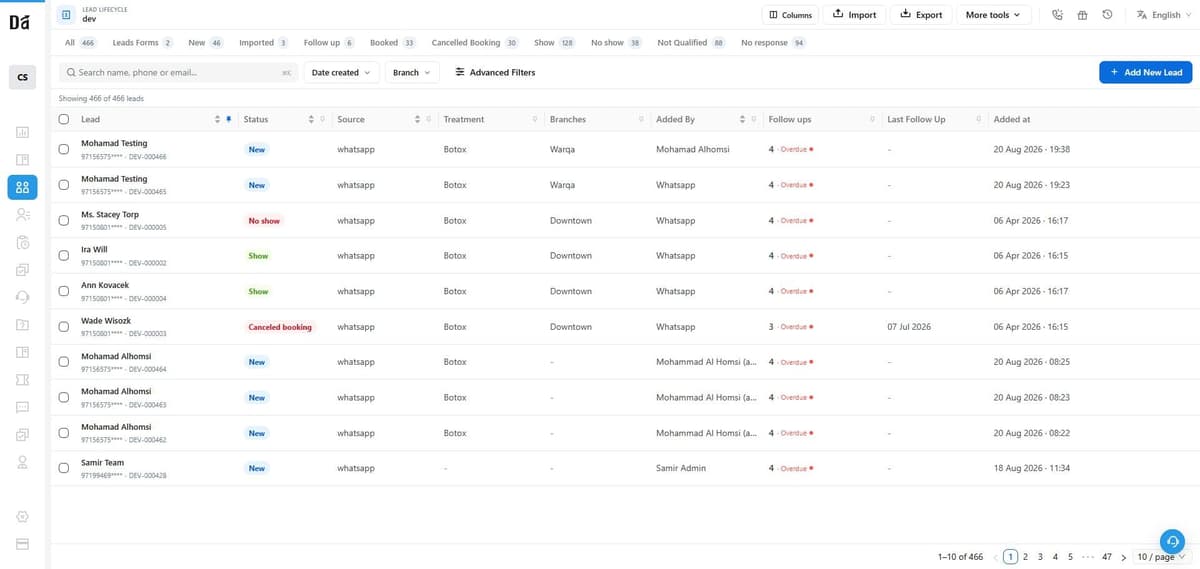
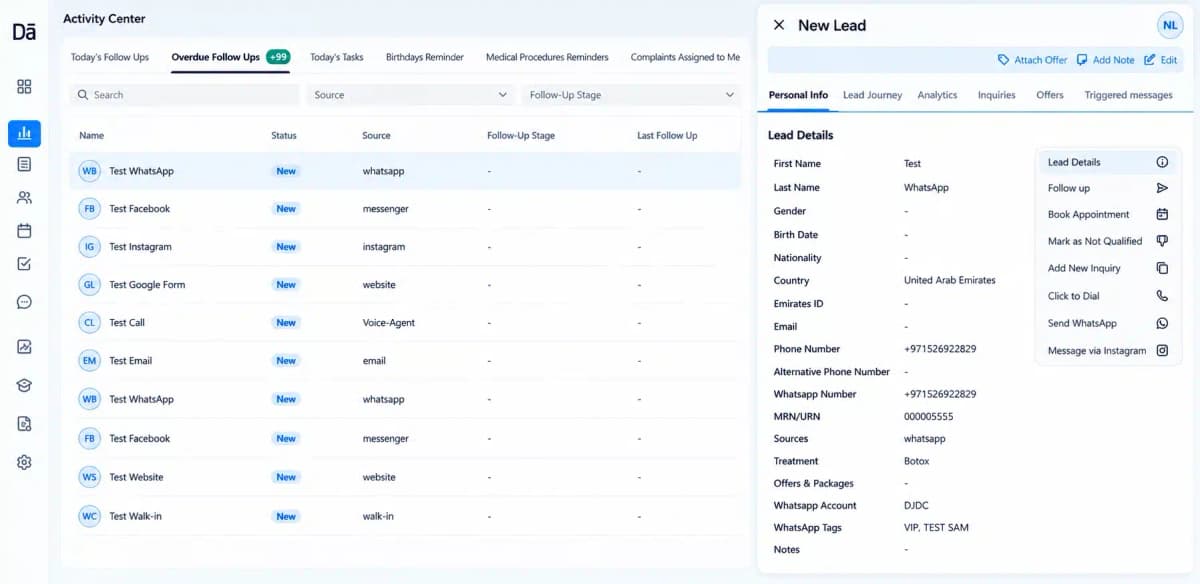
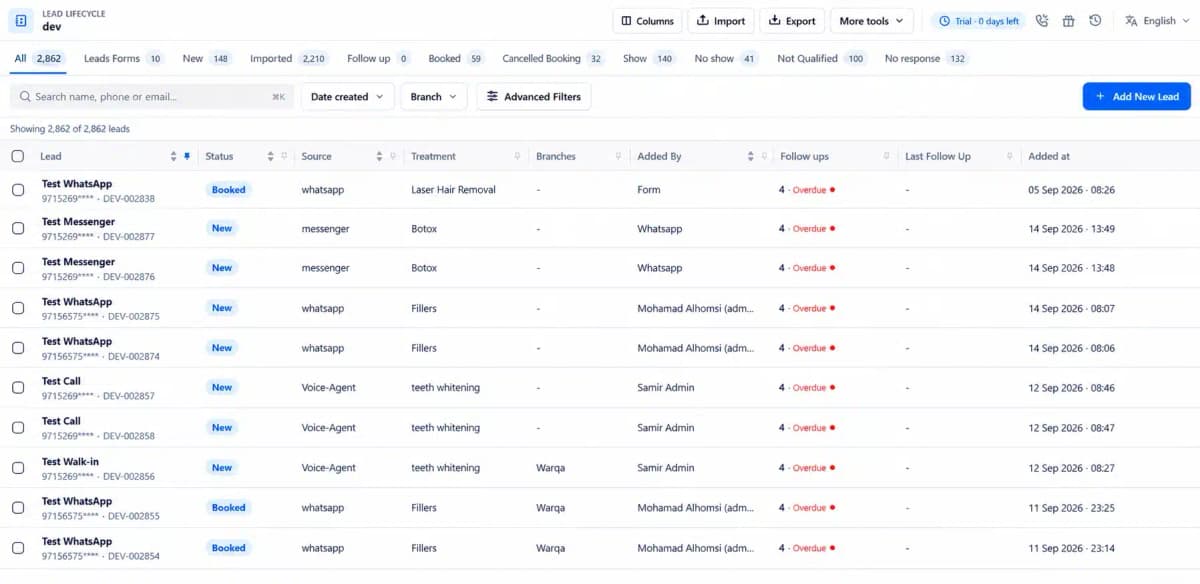
A Healthcare CRM is a digital platform that helps medical organizations manage patient interactions, communication, and relationships. It consolidates patient information—from appointment history and treatment records to billing and feedback—into a single centralized system.
This unified view allows healthcare providers to understand patient needs better, anticipate follow-ups, and deliver consistent, high-quality service. However, managing communication through manual channels like phone calls or emails can slow response times and increase workload. That’s where chatbots come in as the perfect extension.
The Rise of Chatbots in Healthcare
Chatbots are AI-powered virtual assistants designed to simulate human conversations. They can handle patient inquiries, schedule appointments, provide medical information, and even assist in symptom assessment. In healthcare, chatbots are rapidly gaining popularity because they offer 24/7 availability, multilingual support, and instant responses—something even large administrative teams struggle to maintain.
When integrated with a Healthcare CRM, chatbots become more than just conversational tools—they transform into intelligent assistants that can access and update patient data in real time, improving both operational efficiency and patient satisfaction.
1. Streamlined Appointment Management
One of the most common applications of chatbot-CRM integration is automated appointment scheduling and reminders. Patients can interact with a chatbot to check doctor availability, book appointments, or reschedule visits—without needing to call the clinic.
Once confirmed, the chatbot updates the CRM automatically, ensuring that all staff have real-time access to appointment data. The system can also send automated reminders via chat or SMS, reducing no-shows and ensuring smoother clinic operations.
For example, a patient could message a clinic’s website chatbot to schedule a pediatric consultation. The chatbot checks the CRM for open slots, confirms the booking, and sends reminders—all within minutes.
2. Personalized Patient Support
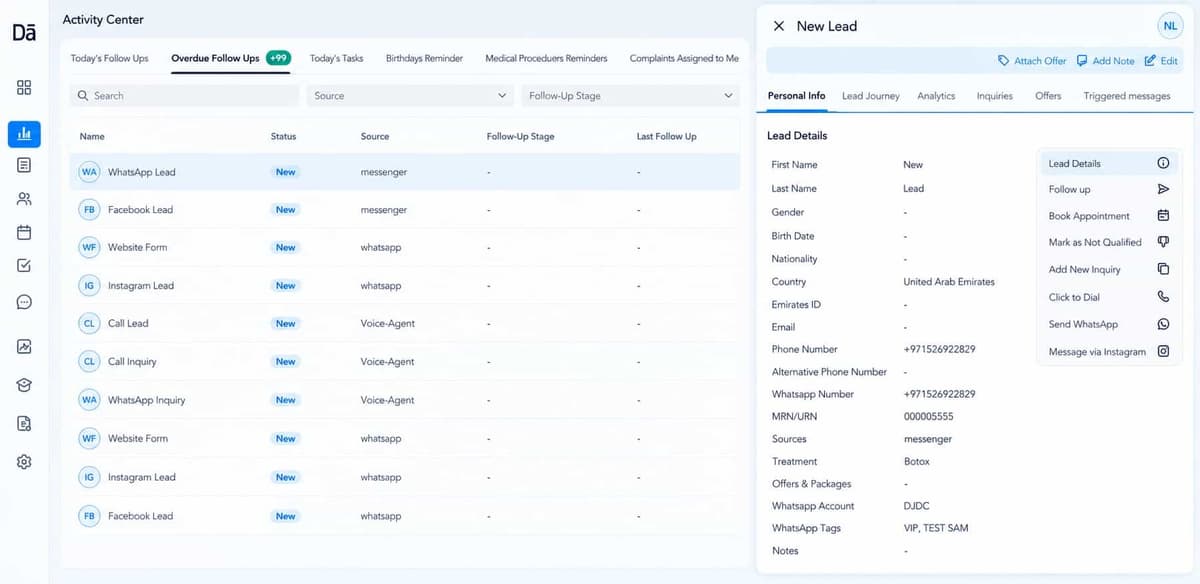
When connected to a CRM, chatbots can access detailed patient profiles, including past visits, medications, and preferences. This enables personalized communication and support.
For instance, if a patient with diabetes contacts the chatbot, it can instantly recognize their profile in the CRM and offer tailored advice—such as reminders to refill prescriptions or schedule routine checkups. This level of personalization not only improves patient engagement but also builds trust in the healthcare provider’s services.
Moreover, since chatbots can handle multiple conversations simultaneously, they ensure that every patient receives prompt attention, regardless of clinic size or workload.
3. Enhancing Patient Education and Awareness
Healthcare providers often need to educate patients about preventive care, new treatments, or wellness programs. Chatbots integrated with CRM systems can automate this process effectively.
Based on CRM data, chatbots can send targeted messages or educational resources to specific patient segments. For example:
- Sending vaccination reminders to parents of young children.
- Providing dietary tips to patients with chronic conditions.
- Sharing rehabilitation exercises after a procedure.
This proactive communication keeps patients informed and engaged while reducing the manual effort required from healthcare staff.
4. Efficient Query Resolution and Triage
Every healthcare organization receives a large volume of patient inquiries daily—from appointment questions to insurance coverage and medication refills. A chatbot can handle most of these repetitive, non-urgent queries instantly.
By integrating chatbot conversations with CRM records, providers can track the most common concerns and continuously improve service delivery. For urgent issues, chatbots can triage and escalate the conversation to a live representative or medical professional, ensuring that critical cases receive immediate attention.
This integration helps reduce call center workloads, shortens response times, and provides patients with accurate information around the clock.
5. Strengthening Data Accuracy and Analytics
Integrating chatbots with CRMs not only enhances communication but also improves data quality. Every interaction a chatbot handles—whether booking an appointment or answering a query—is automatically logged in the CRM.
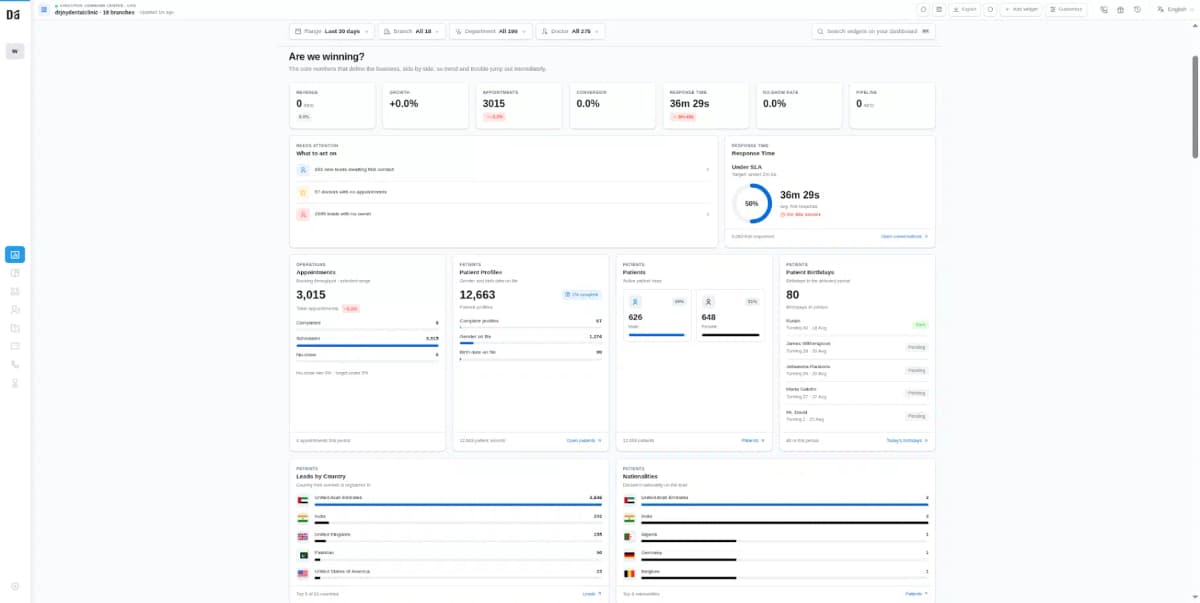
This ensures that healthcare organizations maintain updated patient profiles without relying on manual data entry. Over time, the CRM gathers valuable insights into patient behavior, frequently asked questions, and service bottlenecks.
Healthcare administrators can then use this data to refine processes, allocate resources more efficiently, and develop better patient engagement strategies.
6. 24/7 Availability and Multilingual Support
Unlike human staff, chatbots never take breaks. They provide 24/7 support, allowing patients to get answers even after working hours. This is particularly valuable for global or multilingual healthcare institutions, as chatbots can be programmed to communicate in multiple languages, making healthcare more accessible and inclusive.
For patients in different time zones or with urgent concerns, instant chatbot responses can make a significant difference in care accessibility and satisfaction.
7. Data Security and Compliance
When dealing with healthcare data, privacy and compliance are paramount. Modern chatbot-CRM integrations are designed to adhere to industry regulations such as HIPAA (Health Insurance Portability and Accountability Act) and GDPR (General Data Protection Regulation).
These systems use encryption and secure authentication methods to ensure that patient data remains confidential. Sensitive information, such as medical records or billing details, is securely stored within the CRM, while chatbots act as controlled access points for communication.
8. Improving Operational Efficiency and Cost Savings
By automating repetitive administrative tasks, chatbots allow healthcare staff to focus on what matters most—patient care. Clinics can reduce operational costs associated with large call center teams or administrative errors.
Integrating chatbots with healthcare CRM systems ensures smoother workflows, faster data entry, and real-time updates—resulting in a more efficient, patient-centered healthcare ecosystem.

Final Thoughts
The integration of chatbots with Healthcare CRM systems represents the next step in digital transformation for medical organizations. It bridges the gap between automation and personalization, offering patients quick, intelligent, and compassionate support whenever they need it.
From appointment management and patient education to data analytics and compliance, chatbot-CRM integration empowers healthcare providers to operate more efficiently while improving the patient experience.
As healthcare becomes increasingly digital, embracing this integration isn’t just about innovation—it’s about creating a more responsive, connected, and human-centered healthcare system for the future.