

In the fast-evolving world of healthcare, patient experience, data management, and communication are more crucial than ever. Modern healthcare organizations must not only deliver quality medical care but also build strong, long-term relationships with their patients. This is where Customer Relationship Management (CRM) systems have become game changers.
Healthcare CRM software helps medical providers streamline operations, personalize care, and enhance patient satisfaction by organizing and automating communication, scheduling, feedback collection, and follow-ups. But not every healthcare setup uses CRM in the same way. So, what types of healthcare organizations benefit most from CRM? Let’s explore which sectors gain the greatest advantages from implementing this transformative technology.
1. Hospitals and Large Healthcare Networks
Hospitals are among the biggest beneficiaries of CRM solutions. With thousands of patients, multiple departments, and a vast network of doctors, managing relationships efficiently can be challenging.
A Healthcare CRM centralizes all patient data — including appointment history, treatments, billing information, and communication records — into one system. This unified access allows hospitals to:
- Enhance patient care coordination across departments.
- Reduce wait times by automating scheduling and reminders.
- Track patient satisfaction through post-discharge surveys.
- Strengthen patient loyalty by offering consistent follow-up care.
For example, a hospital can use CRM analytics to identify patients who frequently miss appointments and send them personalized reminders or telehealth options. Such proactive engagement improves care continuity and overall patient experience.
2. Multi-Specialty Clinics and Medical Centers
Multi-specialty clinics handle a diverse range of patients with different health concerns. Managing this variety often leads to communication gaps, missed follow-ups, or lost data between departments.
A CRM system provides a centralized platform where specialists can view and update patient information seamlessly. With features like appointment tracking, referral management, and patient segmentation, CRM ensures that no patient is overlooked.
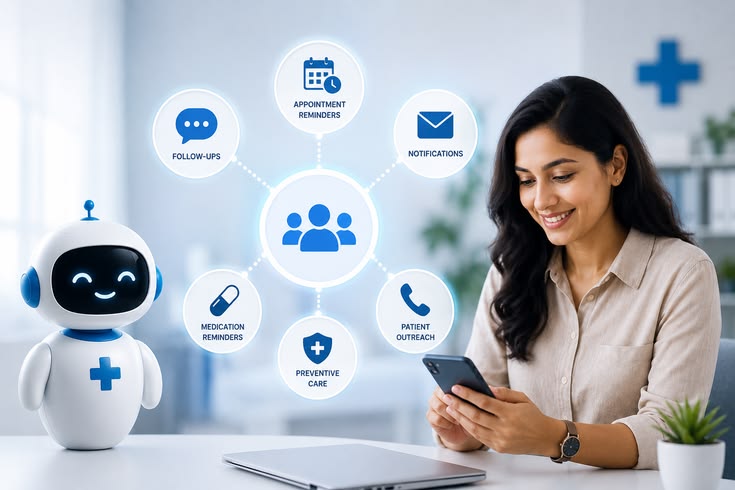
Additionally, it allows clinics to automate outreach for preventive care — for example, sending reminders for annual checkups, vaccinations, or diagnostic screenings. This not only boosts patient retention but also positions the clinic as a proactive healthcare partner rather than a reactive one.
3. Private Practices and Individual Healthcare Providers
Solo practitioners and small clinics often assume that CRM systems are only for large hospitals. However, private practices can benefit immensely from CRM solutions designed for smaller operations.
For independent doctors, dentists, physiotherapists, or dermatologists, CRM systems can:
- Manage patient records efficiently without paper files.
- Automate appointment bookings and cancellations.
- Send reminders for upcoming visits or medication refills.
- Collect feedback to understand patient satisfaction.
A small clinic using a CRM can provide a more personalized experience — greeting patients by name, tracking treatment progress, and remembering preferences. This personal touch enhances trust, loyalty, and referrals, which are critical for practice growth.
4. Diagnostic and Imaging Centers
Diagnostic laboratories and imaging centers handle hundreds of patient records daily, often relying on other healthcare facilities for referrals. A CRM system helps them manage both direct patient communication and referral networks effectively.
By integrating with Hospital Information Systems (HIS) and Electronic Health Records (EHR), CRM allows diagnostic centers to:
- Manage referrals from multiple sources (hospitals, clinics, doctors).
- Provide timely updates and reports to patients and referring physicians.
- Send test reminders and digital reports via email or secure portals.
- Measure service satisfaction and turnaround times.
In competitive markets, such automation improves reliability and strengthens business relationships with both patients and partner healthcare providers.
5. Dental and Aesthetic Clinics
Dental and cosmetic clinics rely heavily on repeat visits and strong patient relationships. Whether it’s routine cleaning, whitening, or skincare sessions, maintaining consistent communication is key to patient retention.
CRM solutions can automate:
- Appointment reminders for regular checkups or treatments.
- Personalized offers for existing patients.
- Feedback collection after procedures.
- Follow-up marketing campaigns for elective services.
By analyzing patient data, clinics can identify loyal clients, track satisfaction, and design customized loyalty programs. The result is not only improved retention but also enhanced brand reputation through positive word-of-mouth.
6. Telehealth and Digital Health Providers
The rise of telemedicine has revolutionized healthcare accessibility, especially after the pandemic. Virtual healthcare platforms must manage thousands of online interactions daily, making CRM indispensable.
A Healthcare CRM enables telehealth providers to:
- Track virtual consultations and follow-ups.
- Integrate communication tools such as chat, email, and video calls.
- Personalize care journeys based on patient history and preferences.
- Automate reminders for online appointments and medication schedules.
By organizing virtual touchpoints into one interface, telehealth CRMs ensure a smooth and consistent patient experience across digital channels. This is vital for patient trust and service quality in remote care settings.
7. Rehabilitation and Wellness Centers
Rehabilitation centers, physiotherapy clinics, and wellness programs focus on long-term patient engagement. These facilities require consistent communication and progress tracking — areas where CRM excels.
Healthcare CRM helps manage:
- Ongoing patient progress records.
- Personalized recovery programs and reminders.
- Feedback collection after each session.
- Scheduling and coordination between therapists and patients.
Additionally, analytics features allow centers to measure recovery success rates, track patient retention, and identify areas for service improvement. The result is more structured rehabilitation and higher satisfaction rates among patients.
8. Home Healthcare and Elderly Care Services
Home healthcare services, including elderly care and nursing support, require real-time communication and efficient scheduling. CRM solutions make it easy to manage patient visits, caregiver assignments, and family communications in one place.
A Healthcare CRM in this sector can:
- Assign caregivers based on availability and patient needs.
- Track home visits and care outcomes.
- Enable communication between family members and healthcare staff.
- Monitor satisfaction levels through follow-up surveys.
This ensures a personalized, transparent, and compassionate approach to care — essential in eldercare services.

Conclusion
When exploring what types of healthcare organizations benefit most from CRM, it becomes clear that virtually every healthcare entity — from large hospitals to solo practitioners — can gain tremendous value from this technology.
A Healthcare CRM helps streamline patient interactions, enhance engagement, and improve data-driven decision-making. More importantly, it shifts the focus from administrative burden to patient-centered care, empowering providers to deliver seamless, personalized experiences.
In an industry where trust and relationships are paramount, investing in a healthcare CRM isn’t just a technological upgrade — it’s a strategic move toward better care, stronger connections, and long-term patient loyalty.