Why Healthcare CRM Ensures Better Regulatory Compliance

Why Healthcare CRM Ensures Better Regulatory Compliance

Why Healthcare CRM Ensures Better Regulatory Compliance

In the healthcare industry, maintaining regulatory compliance is not optional—it is essential for patient safety, data protection, and organizational trust. With increasing digital transformation and rising expectations for seamless patient experiences, healthcare providers must ensure that every interaction complies with strict standards like HIPAA, GDPR, and regional data privacy laws. This is where Healthcare CRM systems come into play. Understanding Why Healthcare CRM Ensures Better Regulatory Compliance helps organizations not only protect sensitive patient data but also streamline workflows, reduce operational risks, and maintain legal integrity.

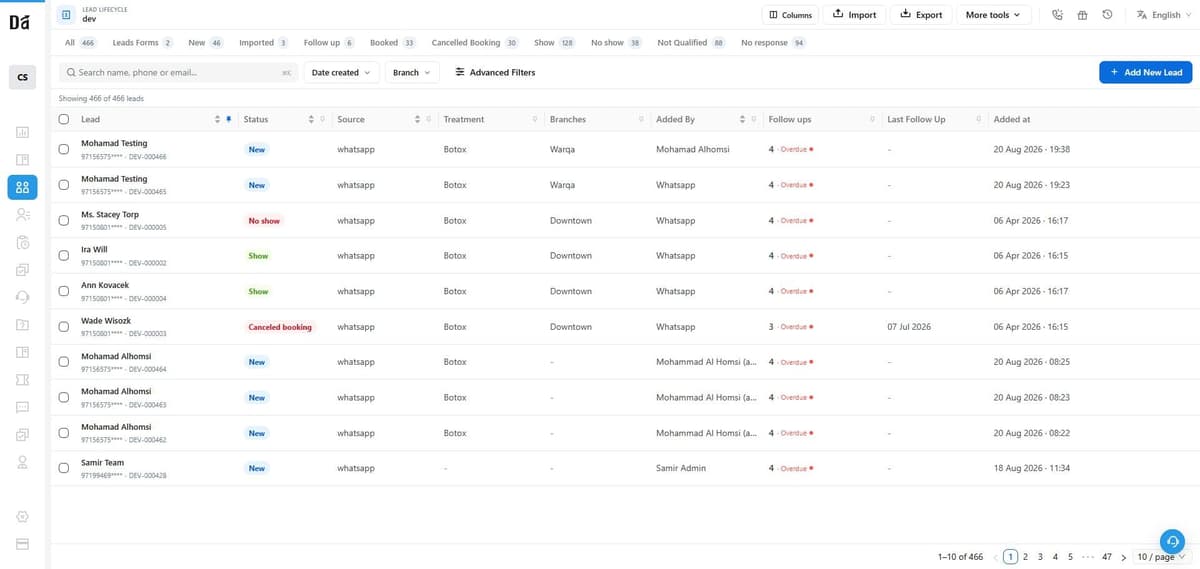
A well-implemented Healthcare CRM centralizes patient information, automates compliance workflows, improves data monitoring, and ensures that staff follow consistent processes. Let’s explore how CRM systems directly contribute to better regulatory compliance across the healthcare landscape.

1. Centralized and Secure Data Management

One of the strongest benefits of a Healthcare CRM is its ability to store and organize patient data in a secure and centralized location. Regulations like HIPAA require healthcare organizations to maintain strict control over where data is stored and who accesses it.

A CRM ensures compliance by providing:

  • Encrypted patient information
  • Controlled access permissions
  • Role-based security
  • Secure data backups
  • Regular audit logs

This prevents unauthorized access, data leaks, and system inconsistencies—three of the biggest risks in healthcare compliance.

2. Enhanced Patient Data Privacy Controls

Maintaining patient privacy is a core requirement under regulations worldwide. A Healthcare CRM helps providers protect patient identities through:

  • Data masking
  • Secure communication channels
  • Logged data editing
  • Consent management
  • Two-factor authentication

With these protections in place, the CRM minimizes breaches and ensures that patient privacy is upheld across all departments and communication channels.

3. Automated Compliance Workflows

Many compliance tasks require constant monitoring, documentation, and reporting. Manually performing these tasks increases the chances of human error. A Healthcare CRM automates essential compliance workflows such as:

  • Consent collection and tracking
  • Secure data sharing
  • Timely audit preparation
  • Appointment reminders and follow-ups
  • Reporting for inspections

Automation ensures consistency and accuracy, making compliance easier and more reliable.

4. Accurate and Accessible Audit Trails

Regulators require clear audit trails that show when data was accessed, by whom, and for what purpose. A Healthcare CRM automatically logs every action performed within the system, providing a complete and traceable record.

Audit logs typically include:

  • User login activity
  • File access logs
  • Data modification history
  • Workflow actions
  • Communication records

These transparent audit trails are essential during inspections and help hospitals prove that every process follows compliance standards.

5. Better Communication Tracking and Documentation

Healthcare providers communicate with patients across multiple channels—calls, emails, SMS, and portals. Each communication must be documented and compliant with privacy laws.

Healthcare CRMs track:

  • Messages
  • Follow-up calls
  • Reminders
  • Notifications
  • Campaigns

This creates a complete communication history that can be reviewed for accuracy and compliance at any time.

6. Data Accuracy and Error Reduction

Data errors are a major cause of compliance violations. A Healthcare CRM minimizes errors by:

  • Standardizing data entry fields
  • Validating information automatically
  • Eliminating duplicated records
  • Integrating data from multiple sources

Accurate, consistent data ensures adherence to regulatory standards and reduces administrative mistakes.

7. Improved Access Control and Permission Settings

Not all staff need access to all patient information. CRM systems allow hospitals to define:

  • Who can view data
  • Who can edit data
  • Who can share data
  • What information each role can access

By restricting access, hospitals protect sensitive information and prevent internal breaches—one of the most common compliance failures.

8. Integration with Regulatory-Compliant Systems

A modern Healthcare CRM is designed to work smoothly with EHRs, billing systems, telehealth platforms, and other healthcare technologies. These integrations ensure:

  • Consistent data flow
  • Reduced manual input
  • Lower risk of compliance gaps
  • Accurate reporting

When systems work together seamlessly, the chances of miscommunication or data loss decrease significantly.

9. Real-Time Monitoring and Alerts

A Healthcare CRM can generate real-time alerts when a compliance risk arises. Examples include:

  • Unauthorized login attempts
  • Incomplete consent forms
  • Missing documentation
  • Potential data anomalies
  • Policy violations

This proactive system lets healthcare organizations act before a small issue becomes a noticeable violation.

10. Standardized Processes Across Departments

Compliance requires consistency. If different departments follow different processes, the risk of violations increases. A Healthcare CRM standardizes:

  • Patient intake workflows
  • Documentation procedures
  • Security protocols
  • Communication patterns
  • Consent management steps

This uniformity ensures that every patient receives compliant care and that every employee follows the same guidelines.

11. Supports Training and Staff Accountability

Compliance depends heavily on staff performance. CRM systems offer training modules, workflow guides, and reminders which help staff stay aligned with regulatory requirements.

Features include:

  • Onboarding assistance
  • Guided workflows
  • Task reminders
  • Accountability logs

Well-trained staff means fewer compliance-related mistakes.

Why Healthcare CRM Ensures Better Regulatory Compliance

Conclusion

Understanding Why Healthcare CRM Ensures Better Regulatory Compliance is crucial for every healthcare organization aiming to maintain trust, avoid penalties, and deliver safe, high-quality care. A Healthcare CRM strengthens compliance by centralizing data, automating workflows, securing information, and monitoring activities in real time. With stricter regulations and growing digital complexity, the right CRM system is no longer a luxury—it is a necessity.

Hospitals and clinics that invest in modern CRM systems not only protect patient privacy but also improve operational efficiency, reduce risks, and build stronger patient relationships.

Get a full product demo via a video call

Read About Doctorna

Scroll to Top