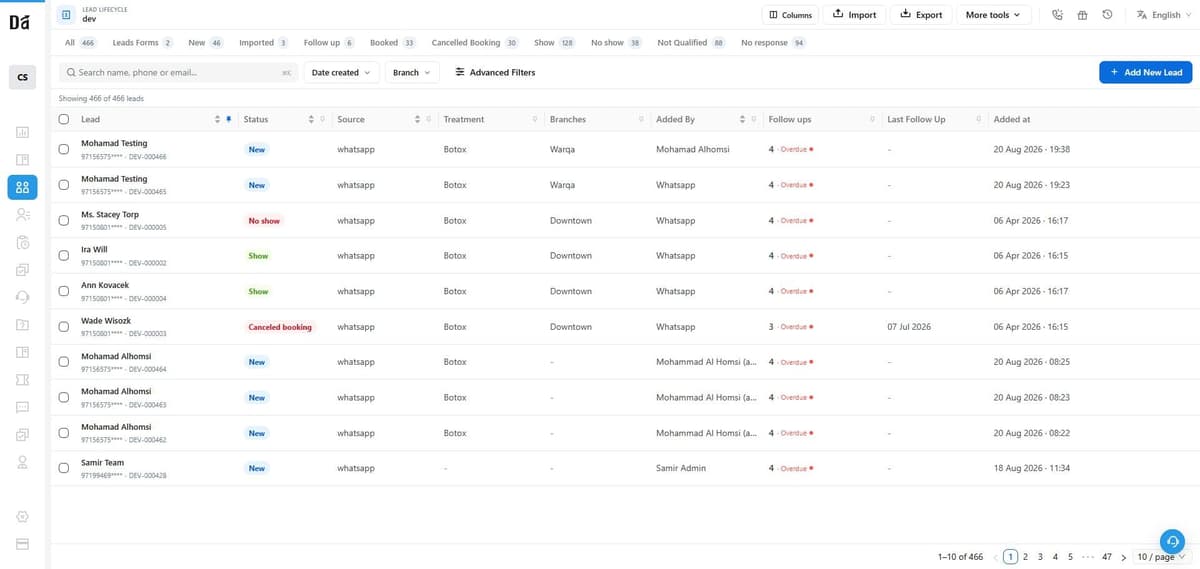
In today’s digital healthcare landscape, patient data is more valuable—and more vulnerable—than ever before. Healthcare CRM systems have become essential tools for hospitals, clinics, and telehealth providers because they centralize patient information, streamline workflows, and enhance patient engagement. However, with this increased digitalization comes a growing responsibility: protecting sensitive patient data. Understanding how to protect sensitive patient data in healthcare CRM systems is critical for ensuring trust, compliance, and long-term organizational credibility.
This blog explores the strategies, tools, and best practices healthcare organizations must adopt to safeguard data in their CRM systems.
Why Protecting Patient Data Matters
Patient data contains personal, medical, financial, and behavioral information—making it a prime target for cybercriminals. A healthcare data breach can result in:
- Identity theft
- Financial fraud
- Damage to patient trust
- Regulatory penalties
- Disrupted healthcare operations
For healthcare providers, this isn’t just about security—it’s about ethical responsibility and compliance with regulations such as HIPAA, GDPR, and local data protection laws.
1. Implement Role-Based Access Control (RBAC)
One of the most effective ways to protect patient data in healthcare CRM systems is to ensure that only authorized users have access. Role-Based Access Control limits data visibility based on job roles.
Benefits of RBAC
- Reduces internal data misuse
- Prevents unauthorized access
- Simplifies user management
- Enhances audit readiness
For example, a front-desk employee may see appointment details but not lab results, while a doctor accesses full patient histories. RBAC ensures every user interacts only with data relevant to their role.
2. Use Strong Authentication Methods
A healthcare CRM is only as secure as its login process. Protecting sensitive patient data requires multi-layer authentication.
Recommended Authentication Measures
- Multi-factor authentication (MFA)
- Biometric login (fingerprint, face ID)
- Single Sign-On (SSO) with secured identity providers
- Session timeout controls
These tools add an extra layer of security even if passwords are compromised.
3. Encrypt Data at Rest and in Transit
Encryption transforms readable data into a secure format that is nearly impossible for unauthorized users to decode.
Two Forms of Encryption Required
- Data at rest: Stored data in databases and servers
- Data in transit: Data being transferred between systems or devices
Healthcare CRM systems should use modern encryption standards like AES-256 and SSL/TLS protocols. Encryption prevents attackers from viewing sensitive patient information, even if they intercept or access the system.
4. Keep Systems Updated and Patched
Outdated software is one of the biggest vulnerabilities in healthcare technology. Cybercriminals often exploit unpatched systems to gain access.
Routine Maintenance Should Include
- CRM software updates
- Server and OS patches
- Firewall and antivirus updates
- Removal of unused or outdated integrations
Regular system maintenance ensures the CRM stays resistant to evolving cyber threats.
5. Conduct Regular Security Audits and Risk Assessments
Security is never a one-time task. Regular audits ensure that the CRM system continuously adheres to industry compliance and practices.
What Audits Should Cover
- Access logs
- Authentication methods
- Data flow mapping
- Third-party integrations
- Backup processes
- Vulnerability scans
Routine assessments help healthcare organizations identify risks early and take corrective measures before issues escalate.
6. Secure Third-Party Integrations
Healthcare CRMs often connect with telehealth platforms, billing systems, lab portals, and patient apps. Every integration introduces potential cyber exposure.
How to Protect Integrations
- Use encrypted APIs
- Limit integration permissions
- Validate vendor security certifications
- Monitor data exchanged between systems
Ensuring that third-party platforms follow strict security protocols is essential to protecting sensitive patient data.
7. Train Staff on Data Security Best Practices
Human error is responsible for a large percentage of healthcare data breaches. The solution? Continuous staff training.
Training Topics Should Include
- Recognizing phishing attempts
- Safe password creation
- Avoiding public WiFi for CRM access
- Correct handling of patient information
- Reporting suspicious activity
When employees understand cybersecurity, the entire organization becomes stronger.
8. Maintain Secure Backups and Disaster Recovery Plans
Even the most secure systems can face unexpected failures, natural disasters, or ransomware attacks. Backups ensure data can be restored quickly.
Key Elements of a Strong Backup Strategy
- Daily automated backups
- Off-site or cloud storage
- Encrypted backup files
- Regular recovery tests
A well-structured disaster recovery plan minimizes downtime and protects critical patient data from permanent loss.
9. Ensure Compliance with Healthcare Regulations
Compliance isn’t just a legal obligation—it’s a security framework. Healthcare organizations must ensure their CRM follows laws relevant to their region.
Examples of Compliance Requirements
- HIPAA (United States)
- GDPR (Europe)
- DHA/DHCC regulations (UAE)
- Local Data Protection Acts
A compliant CRM system reduces risk and ensures accountability across the entire data lifecycle.

Conclusion
Understanding how to protect sensitive patient data in healthcare CRM systems is essential for any healthcare provider looking to adopt or upgrade digital tools. With rising cyber threats, protecting patient data is no longer optional—it’s mandatory.
By combining authentication methods, encryption, regular audits, staff training, compliant infrastructure, and secure integrations, healthcare organizations can create a safe environment that builds patient trust and enhances care quality.
A secure CRM is more than a technology investment—it is a commitment to patient safety, confidentiality, and ethical healthcare.