The healthcare industry is undergoing a digital transformation, and telehealth has emerged as a critical component of modern patient care. Telehealth allows patients to consult healthcare providers remotely, improving access, convenience, and continuity of care. However, to fully leverage telehealth, healthcare organizations need robust systems that manage patient interactions, track medical histories, and support personalized communication. This is where Customer Relationship Management (CRM) systems come into play.
Integrating telehealth tools with CRM systems creates a powerful ecosystem that streamlines patient engagement, enhances clinical workflows, and ensures that healthcare providers have a comprehensive view of each patient. In this blog, we explore the telehealth tools that integrate with CRM systems, their benefits, and why this integration is crucial for modern healthcare.
1. Understanding CRM Systems in Healthcare
CRM systems in healthcare are platforms that manage patient relationships by consolidating patient data, automating communication, and supporting personalized care. They integrate information from multiple sources, including electronic health records (EHRs), appointment schedules, and patient interactions.
Healthcare CRMs provide several key functionalities:
- Centralized patient database: Complete patient profiles, including demographics, medical history, and communication history.
- Appointment management: Scheduling, reminders, and follow-ups.
- Patient engagement tools: Messaging, emails, portals, and notifications.
- Analytics and reporting: Insights into patient behavior, engagement, and health outcomes.
By connecting CRMs with telehealth tools, healthcare organizations can create a seamless digital patient journey from virtual consultation to ongoing care management.
2. Key Telehealth Tools That Integrate With CRM Systems
A. Video Conferencing Platforms
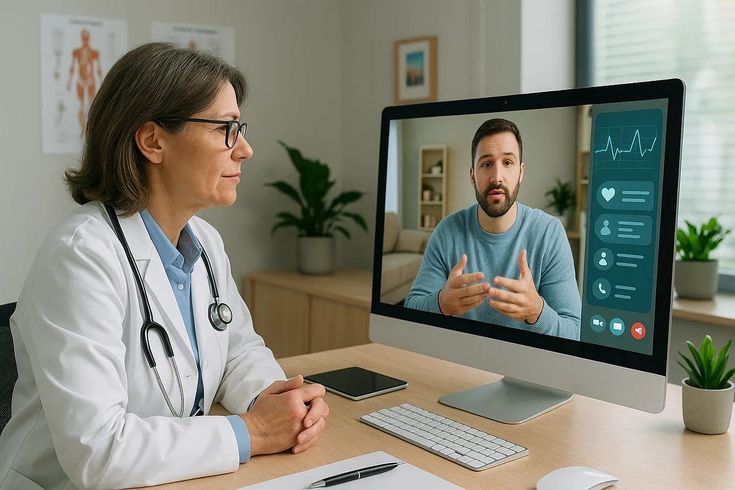
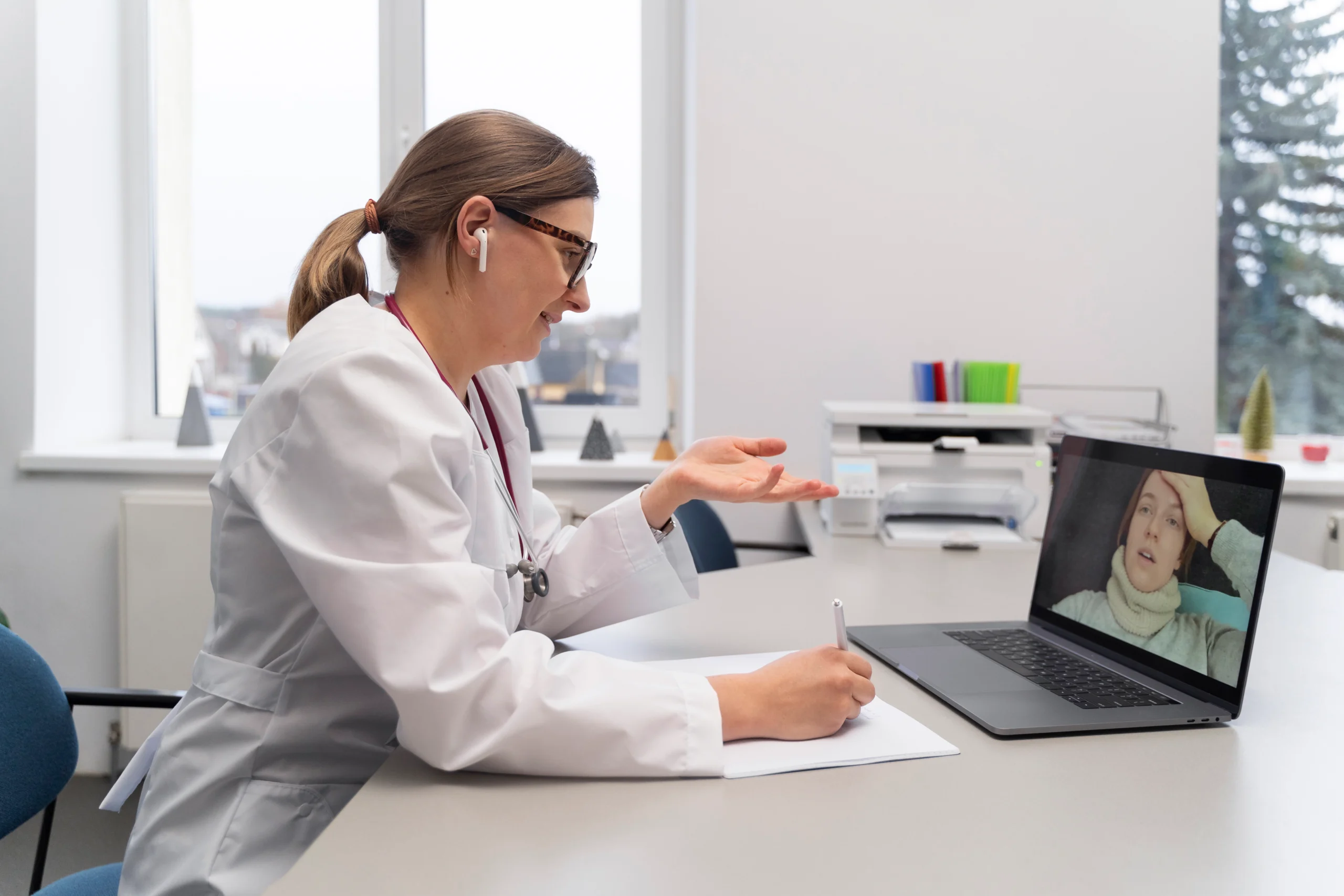
Video consultations are the cornerstone of telehealth. Integrating platforms like Zoom for Healthcare, Doxy.me, or Microsoft Teams with a CRM allows providers to:
- Schedule and manage virtual appointments directly from the CRM.
- Log consultation details and visit summaries automatically.
- Send automated reminders and follow-up instructions via the CRM.
This integration ensures that all patient interactions, including virtual visits, are captured and accessible for future care planning.
B. Remote Patient Monitoring (RPM) Devices
RPM devices, such as blood pressure monitors, glucose meters, wearable fitness trackers, and pulse oximeters, collect real-time health data from patients at home. When integrated with CRM systems, RPM tools enable:
- Automatic syncing of patient health metrics to their CRM profile.
- Alerts for abnormal readings, enabling timely intervention.
- Data-driven insights to track patient progress toward health goals.
This integration supports chronic disease management and enhances patient engagement by keeping patients informed about their health.
C. Telehealth Mobile Apps
Mobile telehealth applications allow patients to book appointments, conduct consultations, and access health resources from their smartphones. Integration with a CRM system enables:
- Centralized patient data from app interactions.
- Push notifications and reminders for appointments, medications, or follow-ups.
- Personalized health education based on app activity and health status.
Mobile app integration ensures that the patient journey is cohesive across all touchpoints, improving satisfaction and adherence to care plans.
D. Patient Portals
Patient portals are secure online platforms where patients can view test results, schedule appointments, and communicate with providers. Integrating portals with CRMs offers:
- Unified access to patient data, including portal interactions and messages.
- Streamlined communication through automated responses and follow-up reminders.
- Tracking patient engagement and portal usage for analytics and care optimization.
Portal integration ensures a consistent and personalized experience for patients across digital channels.
E. Telehealth Scheduling and Workflow Tools
Telehealth-specific scheduling and workflow tools, such as SimplePractice, Mend, or Updox, help manage appointments and clinical workflows. When integrated with CRM systems, these tools:
- Automatically update patient records after consultations.
- Track appointment adherence and no-show rates.
- Provide data for performance analysis and resource allocation.
This integration reduces administrative burden and ensures smooth operation of telehealth services.
F. AI-Powered Chatbots and Virtual Assistants
AI chatbots and virtual assistants provide patients with instant responses to queries, pre-screening, and appointment booking. Integration with CRMs allows:
- Recording chatbot interactions in patient profiles.
- Triggering follow-up actions based on chatbot conversations.
- Personalizing patient engagement using historical CRM data.
These tools enhance patient experience and provide round-the-clock support without increasing staff workload.
3. Benefits of Integrating Telehealth Tools With CRM Systems
Integrating telehealth tools with CRM systems provides multiple advantages:
- Enhanced Patient Engagement: Patients receive timely reminders, personalized education, and streamlined communication.
- Improved Care Coordination: Providers can track all patient interactions, virtual visits, and remote health data in one centralized system.
- Data-Driven Insights: Combining telehealth metrics with CRM data enables analytics that inform care decisions and optimize outcomes.
- Operational Efficiency: Automating administrative tasks like scheduling, reminders, and follow-ups reduces staff workload.
- Patient Satisfaction and Retention: Consistent, personalized, and seamless care experiences foster trust and loyalty.
4. Real-World Applications
- Chronic Disease Management: Patients with diabetes or hypertension can have their home-monitored health data automatically recorded in CRM, with alerts for abnormal readings.
- Post-Operative Care: Surgical patients can use telehealth tools to report recovery metrics, which integrate into the CRM for continuous monitoring.
- Preventive Care Programs: Automated reminders for vaccinations, screenings, and wellness visits are sent through CRM-integrated telehealth systems.
- Behavioral Health: Virtual therapy sessions logged in CRM allow providers to track patient progress and tailor interventions.

Conclusion
The integration of telehealth tools with CRM systems is transforming the way healthcare providers manage patient interactions and care delivery. From video consultations and remote monitoring to mobile apps, portals, and AI assistants, these integrations create a comprehensive, patient-centered ecosystem. By combining telehealth technology with CRM capabilities, healthcare organizations can enhance patient engagement, improve outcomes, streamline operations, and foster long-term patient relationships.
As healthcare continues to evolve toward digital-first models, the synergy between telehealth tools and CRM systems will be essential for delivering personalized, efficient, and high-quality care. Organizations that embrace this integration will be better positioned to meet patient expectations and lead in modern, patient-centered healthcare delivery.