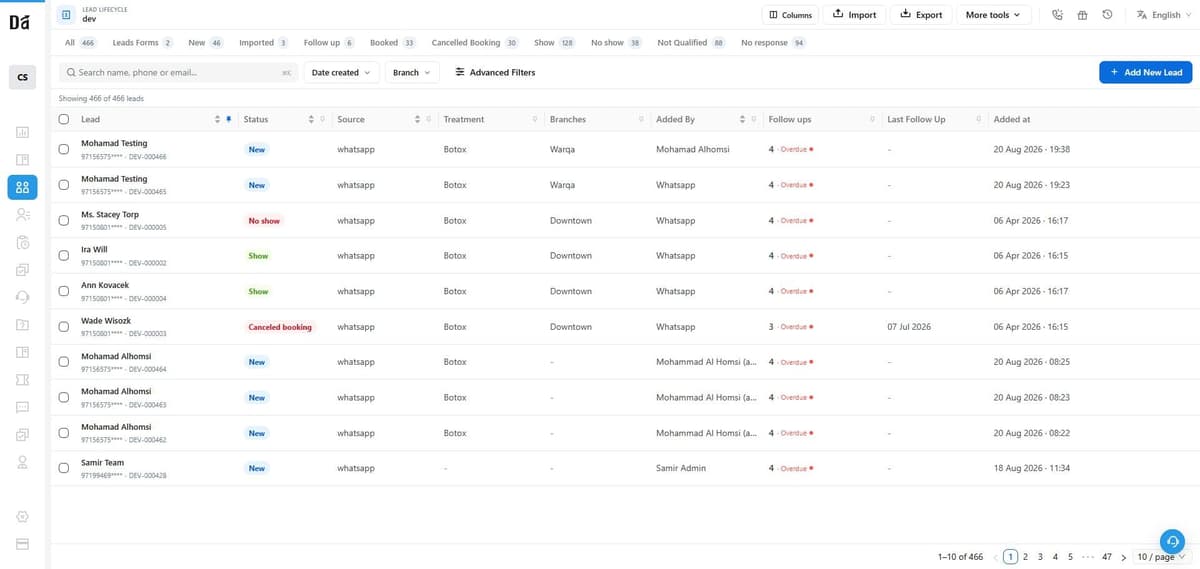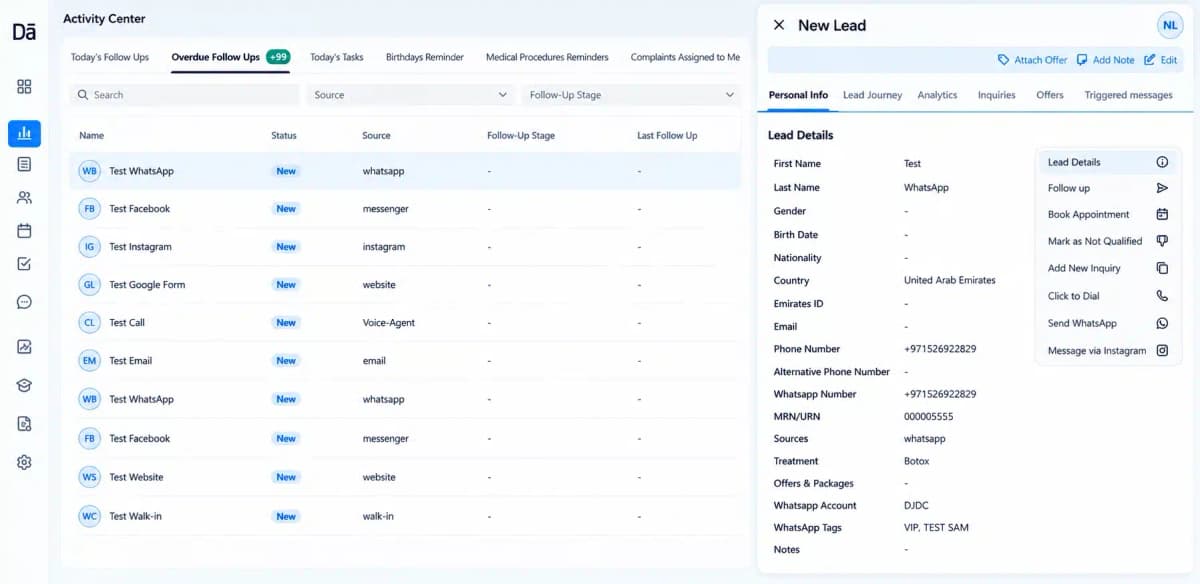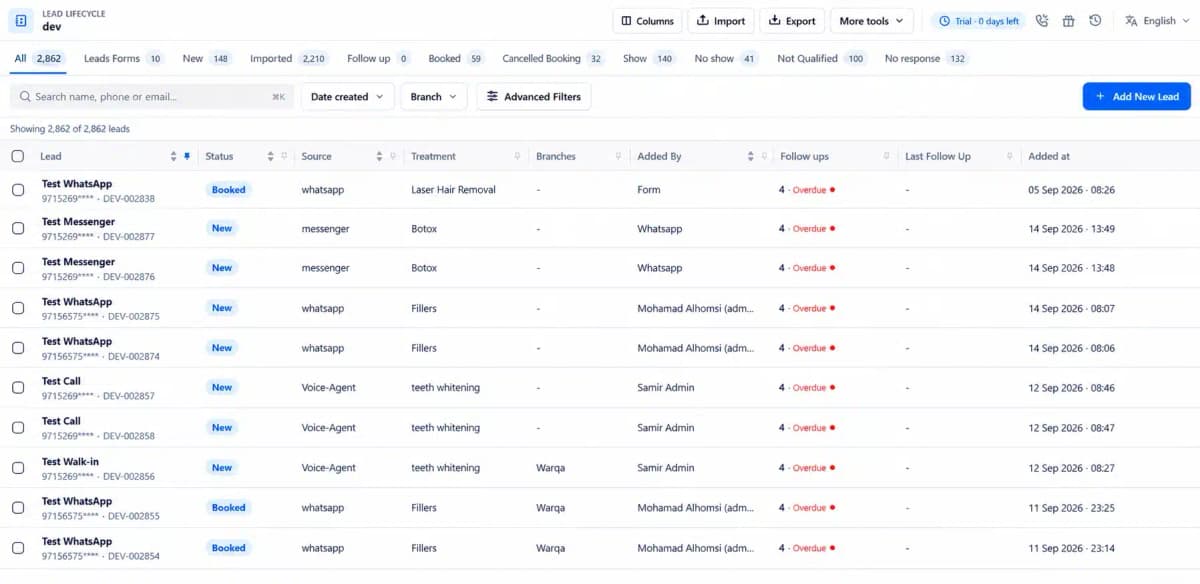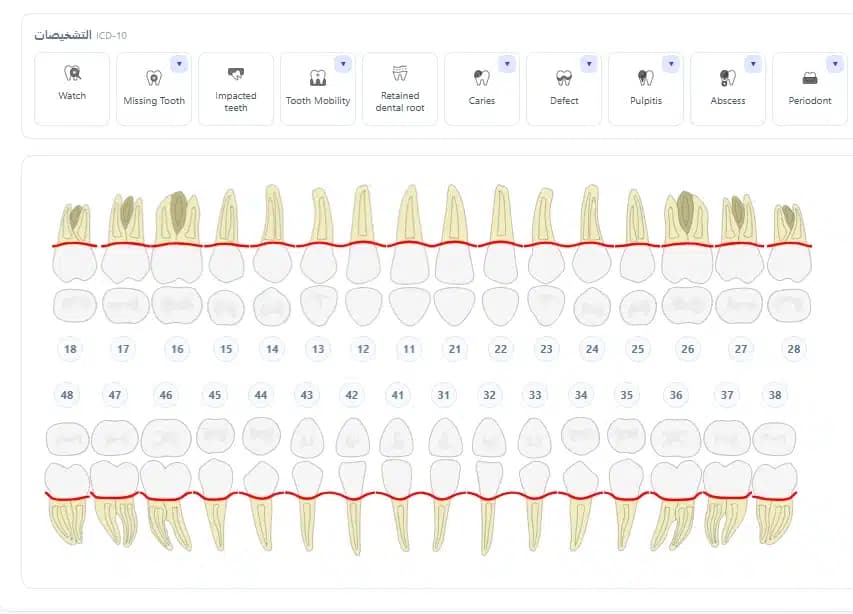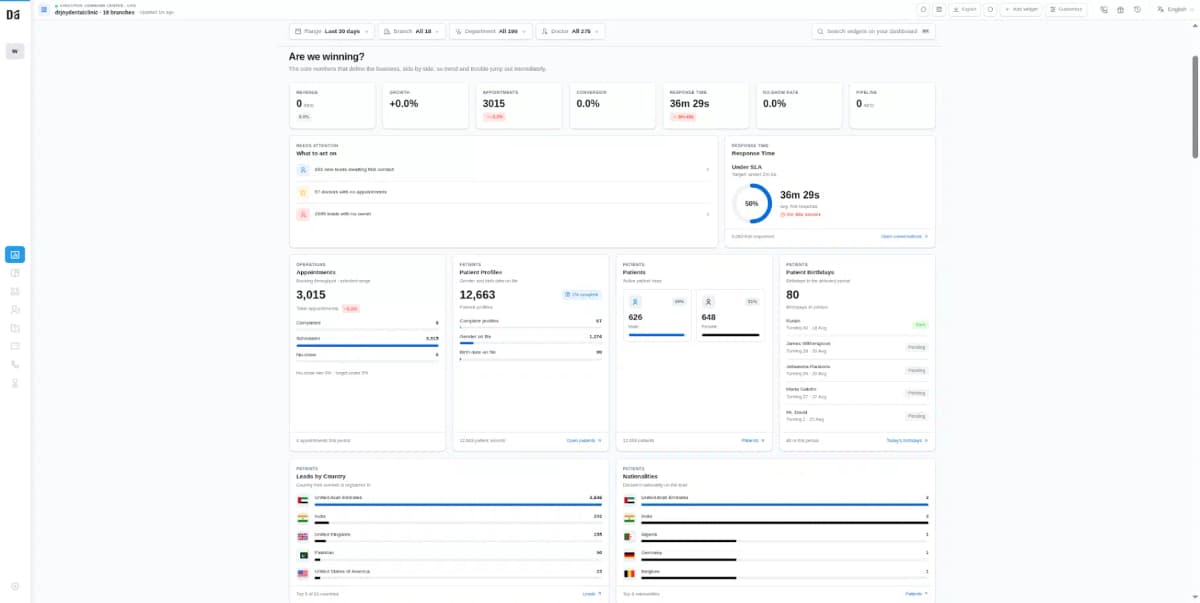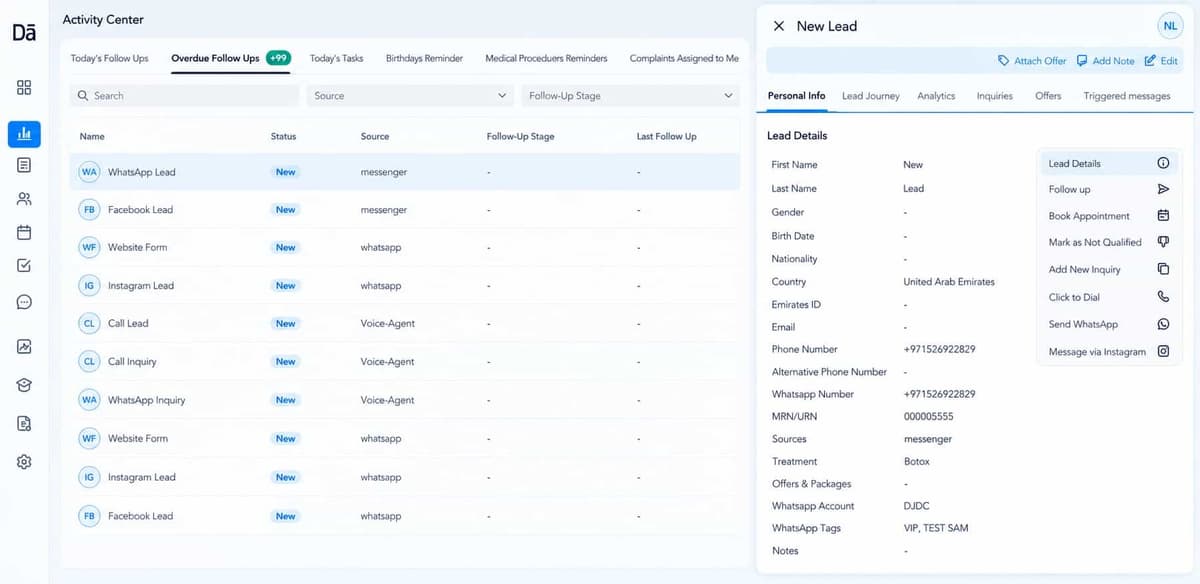
In today’s digital healthcare landscape, trust is as important as clinical expertise. Patients increasingly interact with healthcare providers through online portals, mobile apps, and digital communication channels. From appointment scheduling to accessing medical records, these interactions rely heavily on healthcare Customer Relationship Management (CRM) platforms. A secure healthcare CRM platform does more than organize patient data—it plays a vital role in building and maintaining patient trust. By ensuring data privacy, regulatory compliance, transparency, and consistent communication, secure CRM systems help healthcare organizations foster long-term, trust-based relationships with patients.
The Growing Importance of Data Security in Healthcare
Healthcare data is among the most sensitive information a person can share. It includes personal identification details, medical histories, diagnoses, prescriptions, and payment information. Any breach or misuse of this data can lead to serious consequences, including identity theft, financial loss, and emotional distress. As cyber threats increase globally, patients are becoming more aware of how their information is stored and protected.
Secure healthcare CRM platforms address these concerns by implementing advanced data protection measures. When patients know their data is handled responsibly, they are more likely to engage openly with healthcare providers, share accurate information, and remain loyal to the organization.
Strong Data Protection and Encryption
One of the primary ways secure healthcare CRM platforms build trust is through robust data protection. Modern CRM systems use encryption to protect patient data both in transit and at rest. This means that even if data is intercepted or accessed without authorization, it remains unreadable and secure.
In addition to encryption, secure CRM platforms use multi-factor authentication, role-based access controls, and secure login protocols. These features ensure that only authorized healthcare professionals can access patient information, reducing the risk of internal data misuse. Patients gain confidence when they know their personal and medical data is accessible only to trained and approved personnel.
Compliance with Healthcare Regulations
Regulatory compliance is a cornerstone of trust in healthcare technology. Secure healthcare CRM platforms are designed to comply with regional and international healthcare data protection laws such as HIPAA, GDPR, and other local health information regulations. Compliance ensures that patient data is collected, stored, and used ethically and legally.
When healthcare organizations adopt CRM platforms that meet strict compliance standards, they demonstrate accountability and responsibility. Patients may not always understand the technical details of these regulations, but they do recognize the value of choosing providers that prioritize legal and ethical data handling. Compliance reassures patients that their rights are protected and their data will not be misused.
Transparency and Patient Empowerment
Trust grows when patients feel informed and in control. Secure healthcare CRM platforms promote transparency by allowing patients to access their own information through secure portals. Patients can view appointment details, medical histories, treatment plans, and communication records at their convenience.
This level of access empowers patients to take an active role in their healthcare journey. When patients can verify their information, track interactions, and understand how their data is being used, it reduces uncertainty and builds confidence in the healthcare provider. Transparency through secure CRM systems shows respect for patient autonomy and strengthens trust.
Consistent and Secure Communication
Effective communication is essential in healthcare, and CRM platforms play a central role in managing patient interactions. Secure healthcare CRM systems enable safe communication channels such as encrypted emails, secure messaging, and protected appointment reminders. These tools ensure that sensitive information is not exposed through unsecured platforms.
Consistent and secure communication helps patients feel connected and cared for. Appointment reminders, follow-up messages, test result notifications, and health education content delivered through a secure CRM platform reinforce reliability. When patients receive timely, accurate, and protected communication, their trust in the provider naturally increases.
Reducing Errors and Improving Care Coordination
Trust is closely linked to accuracy and reliability. Secure healthcare CRM platforms help reduce errors by centralizing patient data in one secure system. Healthcare providers can access up-to-date patient information, reducing the risk of miscommunication, duplicate records, or incorrect treatments.
Improved care coordination across departments and specialists also contributes to trust. When patients experience seamless transitions between services and consistent information across touchpoints, they feel confident that their care is well-managed. Secure CRM platforms ensure that this coordination happens without compromising data security.
Building Long-Term Relationships Through Reliability
Patient trust is not built overnight—it develops through consistent positive experiences. Secure healthcare CRM platforms support long-term relationship building by maintaining accurate records, tracking patient preferences, and enabling personalized care. When patients feel recognized and understood, they are more likely to remain loyal to a healthcare provider.
Security plays a key role in this relationship. A single data breach can damage years of trust, while a proven track record of secure data handling strengthens reputation. Healthcare organizations that invest in secure CRM platforms signal their commitment to patient well-being beyond clinical care.

Conclusion
Secure healthcare CRM platforms are more than just data management tools—they are trust-building foundations in modern healthcare. By protecting sensitive information, ensuring regulatory compliance, enabling transparent access, and supporting secure communication, these platforms address the core concerns patients have about digital healthcare interactions. In an era where trust defines patient loyalty and engagement, investing in a secure healthcare CRM platform is not just a technical decision, but a strategic commitment to patient confidence and long-term success.