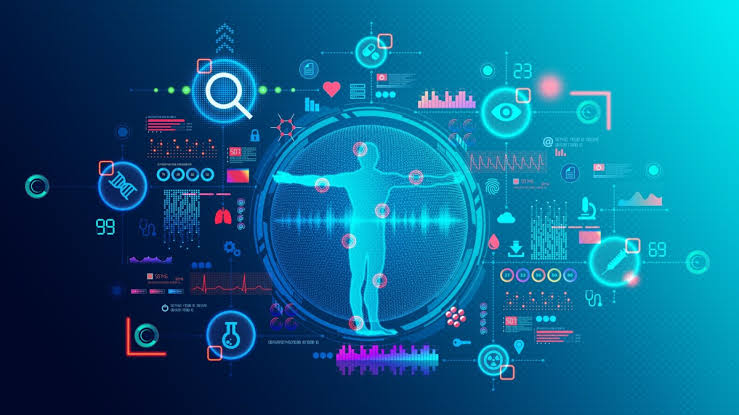

The integration of wearable technology into healthcare has transformed the way patient data is collected, monitored, and analyzed. From fitness trackers to advanced medical sensors, wearables generate real-time health information that can significantly improve patient outcomes. However, the true potential of this data is realized only when it is efficiently managed and utilized. This is where CRM and wearables come together to enhance patient data collection, streamline workflows, and foster personalized healthcare experiences.
In the evolving landscape of digital health, combining CRM systems with wearable technology enables healthcare providers to manage vast amounts of patient data effectively while maintaining engagement, compliance, and continuity of care.
The Rise of Wearable Technology in Healthcare
Wearables, such as smartwatches, heart monitors, glucose trackers, and activity sensors, continuously collect health metrics such as heart rate, blood pressure, blood glucose levels, sleep patterns, and physical activity. These devices empower patients to take a more active role in their health and provide healthcare providers with a steady stream of valuable insights.
The challenge lies in managing this data efficiently. Wearables produce large volumes of information that, if unmanaged, can overwhelm healthcare teams. Integrating wearable data into a CRM system allows for centralized collection, organization, and actionable analysis.
Centralizing Data with CRM
A CRM system acts as a single hub for patient information, combining clinical records, appointment histories, communication logs, and wearable data. When wearables are integrated with CRM, healthcare providers gain a comprehensive, real-time view of a patient’s health, enabling more informed decisions.
For instance:
- Heart rate and activity data can trigger alerts if a patient exhibits abnormal readings.
- Blood glucose readings from a wearable can be automatically logged in the patient record for chronic condition monitoring.
- Sleep patterns can be analyzed alongside lifestyle and medical history to identify potential risks.
Centralization of data reduces errors, improves efficiency, and ensures that all stakeholders—physicians, nurses, and care coordinators—have access to the same information for consistent care delivery.
Enhancing Patient Engagement
Patient engagement is critical in healthcare, particularly in remote monitoring or chronic disease management. CRM systems integrated with wearables provide timely insights that can be used to communicate with patients effectively.
Automated notifications and reminders can be triggered based on wearable data, including:
- Medication reminders aligned with vital signs readings
- Exercise or activity goals adjusted to patient health trends
- Appointment scheduling based on monitored health changes
This proactive approach helps patients stay compliant with their care plans, reduces hospital readmissions, and encourages self-management, leading to improved overall outcomes.
Streamlining Care Coordination
Managing multiple patients and wearable data streams can be complex. CRM systems enhance care coordination by automating alerts, task assignments, and follow-up actions based on real-time data.
For example, if a wearable detects a high blood pressure episode in a patient with hypertension:
- The CRM can immediately alert the care team.
- Tasks can be assigned to a nurse for follow-up.
- The physician can review historical trends before making clinical decisions.
This ensures that critical patient events are not overlooked, enabling timely interventions and efficient resource allocation.
Data Analytics and Predictive Insights
Integrating wearable data with CRM systems unlocks advanced analytics capabilities. By analyzing long-term trends, healthcare providers can identify early warning signs, track treatment effectiveness, and make evidence-based decisions.
Predictive analytics can help:
- Identify patients at risk of complications or hospitalization
- Personalize care plans based on lifestyle and biometric data
- Evaluate population health trends for preventive care initiatives
Incorporating analytics into CRM and wearable integration supports a shift from reactive to proactive healthcare, improving outcomes and operational efficiency.
Security and Compliance Considerations
With wearable devices collecting sensitive health data, maintaining privacy and compliance is essential. Modern CRM systems designed for healthcare provide secure data storage, encrypted communication, access controls, and audit trails.
Compliance with healthcare regulations such as HIPAA ensures that patient data from wearables is handled ethically and legally. Integrating wearables with a secure CRM allows providers to leverage valuable data while safeguarding patient trust and confidentiality.

Scalability and Future of CRM-Wearable Integration
As the adoption of wearable devices grows, healthcare organizations need systems capable of scaling with the influx of patient-generated data. CRM systems are inherently scalable, supporting multiple devices, large patient populations, and integration with new technologies.
Future innovations may include:
- AI-driven insights based on wearable data
- Personalized health recommendations in real time
- Integration with telehealth platforms for remote consultations
By combining CRM and wearable technology, healthcare providers can create a connected ecosystem that continuously monitors patient health, empowers individuals, and enhances care delivery.