Enhancing Follow-Up Care with AI in Healthcare CRM

Enhancing Follow-Up Care with AI in Healthcare CRM

Enhancing Follow-Up Care with AI in Healthcare CRM

In today’s fast-evolving healthcare landscape, patient engagement and personalized care are more important than ever. One critical aspect of patient management is follow-up care, which ensures that patients adhere to treatment plans, attend necessary appointments, and maintain overall wellness. Traditionally, follow-up care has relied heavily on manual processes such as phone calls, emails, and spreadsheets. However, the rise of Artificial Intelligence (AI) in healthcare is transforming how providers manage patient interactions. Integrating AI into Healthcare Customer Relationship Management (CRM) systems is enhancing follow-up care, making it more efficient, personalized, and effective.

Understanding AI in Healthcare CRM

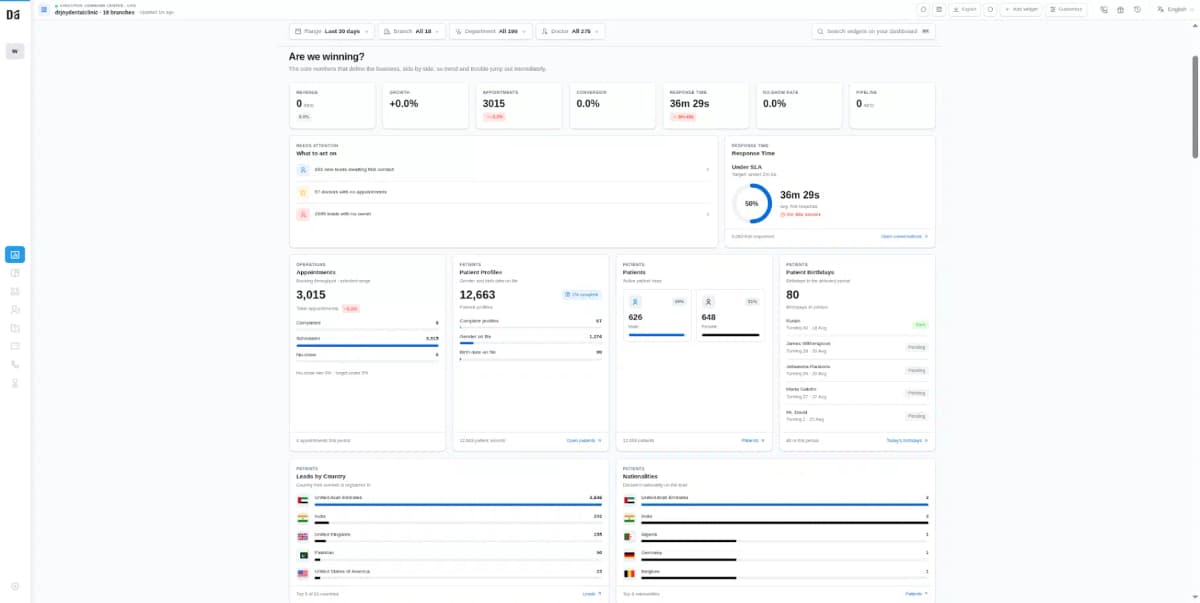
A Healthcare CRM is a platform designed to manage patient relationships, track interactions, and streamline administrative tasks. By incorporating AI, these CRMs can analyze vast amounts of patient data, predict needs, and automate personalized communication. AI-powered CRMs do more than store records—they actively support patient care through intelligent recommendations and actionable insights.

For healthcare providers, AI in CRM helps in:

  • Monitoring patient health trends
  • Predicting potential risks or complications
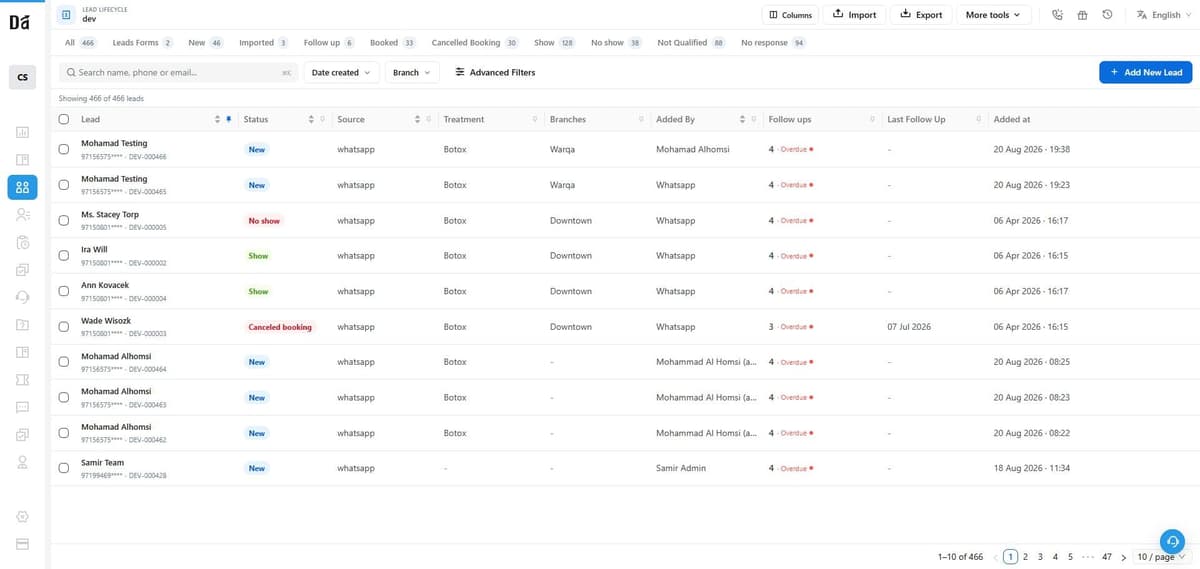
  • Automating appointment reminders and follow-ups
  • Personalizing patient engagement based on history and preferences

This integration bridges the gap between administrative efficiency and high-quality patient care.

Why Follow-Up Care Matters

Follow-up care is a critical component of patient outcomes. Studies show that consistent follow-ups improve medication adherence, reduce hospital readmissions, and enhance overall satisfaction. Despite its importance, follow-up care is often inconsistent due to staff constraints, manual processes, and fragmented communication systems.

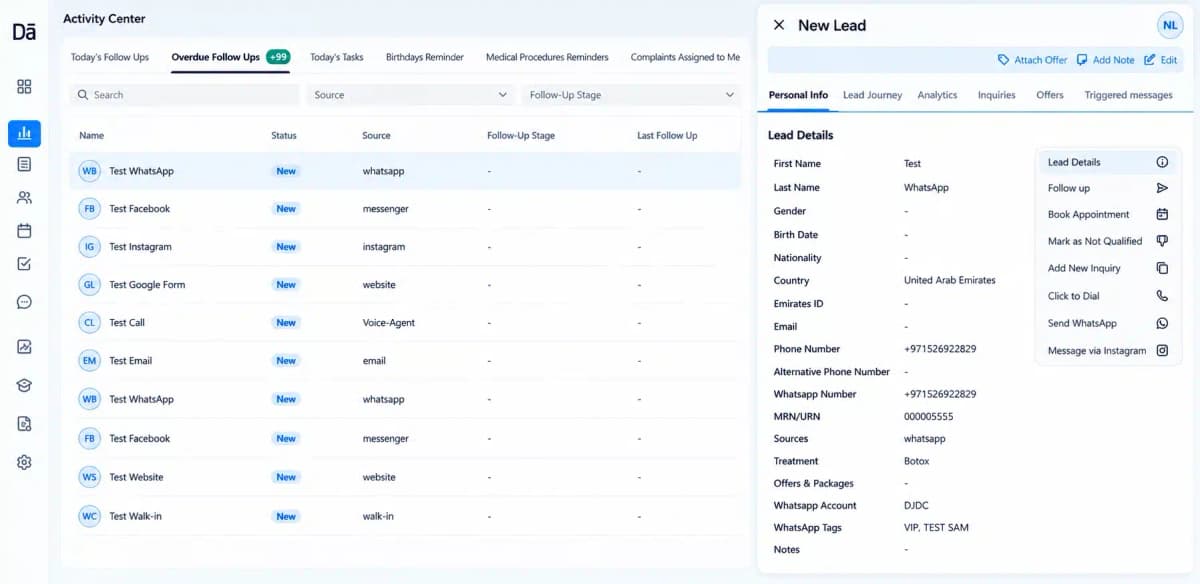
By leveraging AI in healthcare CRMs, providers can ensure timely and consistent follow-ups without overburdening staff. AI algorithms can prioritize patients who need immediate attention, send automated reminders, and track responses, ensuring that no patient falls through the cracks.

How AI Enhances Follow-Up Care

1. Automated Appointment Scheduling and Reminders

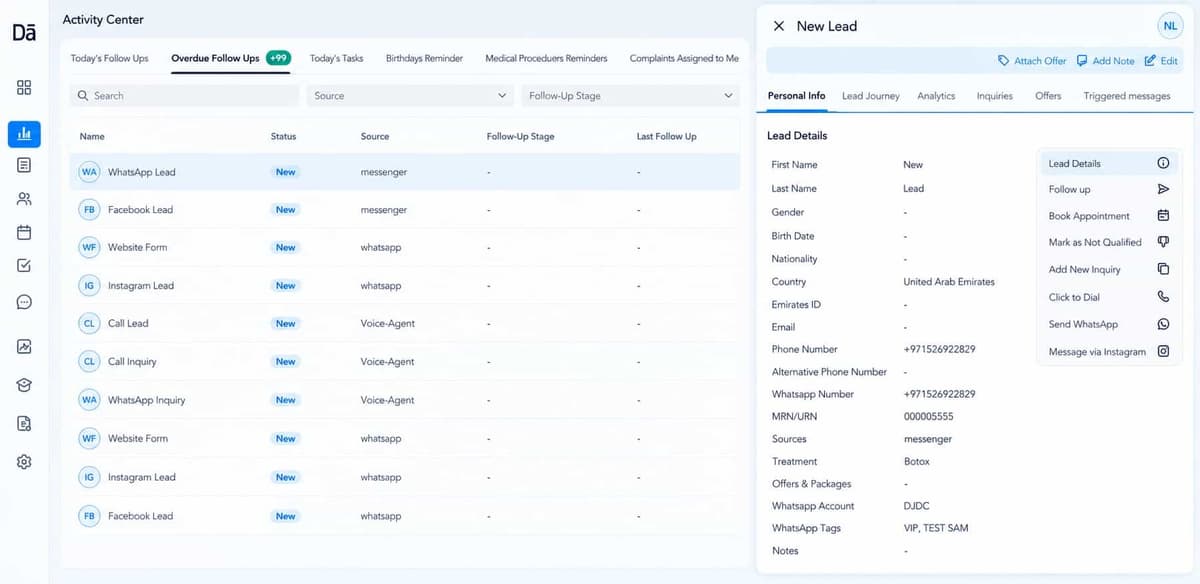
AI-powered CRM systems can automatically schedule follow-up appointments based on treatment plans and availability. Patients receive personalized reminders via SMS, email, or app notifications, reducing the likelihood of missed appointments. By automating these processes, healthcare staff can focus on more critical tasks, such as patient consultations and care planning.

2. Predictive Analytics for Proactive Care

AI can analyze patient history, lab results, and behavioral patterns to identify individuals at risk of complications or relapse. Predictive analytics enables healthcare providers to proactively reach out to these patients, adjusting care plans or recommending preventive measures. This proactive approach improves outcomes and demonstrates a higher level of personalized care.

3. Personalized Communication

Patients respond better to communication that feels tailored to their needs. AI in CRM can segment patients based on demographics, medical history, and engagement patterns. This allows providers to send targeted messages—whether it’s a reminder for a follow-up test, educational content about a condition, or lifestyle recommendations. Personalized communication increases patient engagement and fosters trust between patients and providers.

4. Monitoring and Tracking Patient Progress

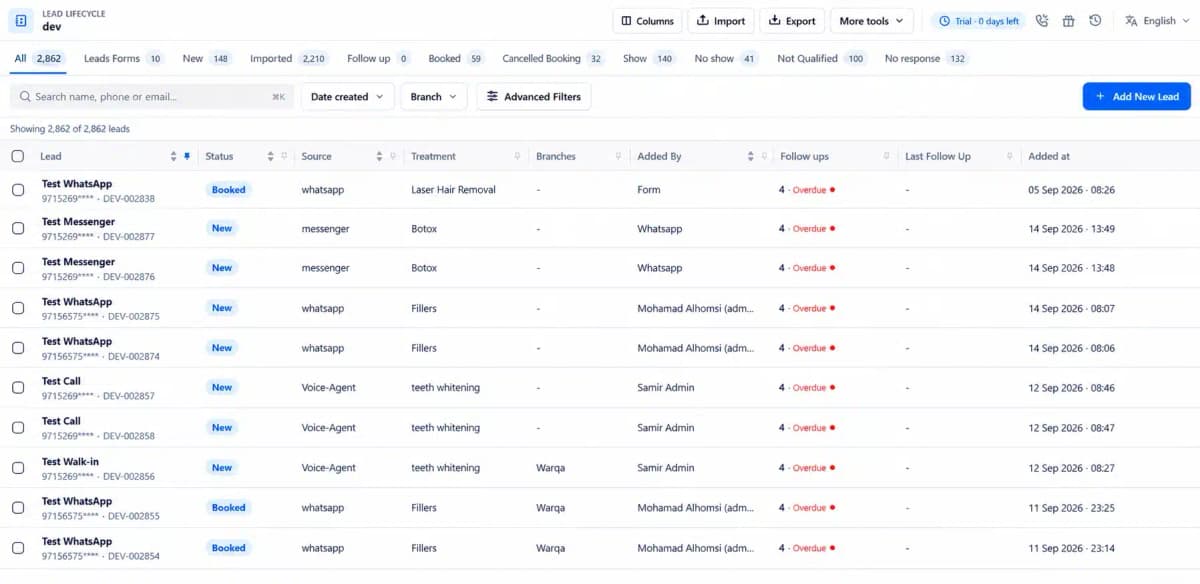
AI-powered CRM systems can track patient responses and behaviors after follow-up interventions. For example, if a patient misses an appointment or does not respond to reminders, the system can flag this for further action. Similarly, AI can analyze self-reported health data from apps or wearable devices, helping providers monitor progress remotely. This continuous tracking ensures that follow-up care is not a one-time interaction but an ongoing process.

5. Streamlining Administrative Work

Healthcare providers often face administrative burdens that reduce the time available for patient care. AI in CRM automates repetitive tasks such as data entry, appointment confirmations, and follow-up messaging. This not only reduces errors but also allows staff to allocate more time to meaningful patient interactions.

Benefits of AI-Enhanced Follow-Up Care

Implementing AI in healthcare CRM systems offers several advantages:

  • Improved Patient Adherence: Automated reminders and personalized communication increase adherence to treatment plans.
  • Better Health Outcomes: Predictive insights enable proactive care and early intervention.
  • Operational Efficiency: Automation reduces administrative workload, freeing staff to focus on patient care.
  • Enhanced Patient Experience: Timely, personalized, and consistent follow-ups improve satisfaction and trust.
  • Data-Driven Decisions: AI provides actionable insights that guide treatment adjustments and patient management strategies.

Challenges and Considerations

While AI enhances follow-up care, providers must address challenges such as data privacy, integration with existing systems, and patient acceptance of automated communication. Compliance with healthcare regulations, such as HIPAA, is critical when handling sensitive patient data. Additionally, AI should complement human care, not replace it—patients still value personal interaction with their providers.

Enhancing Follow-Up Care with AI in Healthcare CRM

The Future of AI in Follow-Up Care

The integration of AI in healthcare CRM is just the beginning. Future developments may include conversational AI chatbots for 24/7 patient support, predictive models that continuously adapt to new patient data, and deeper integration with wearable devices for real-time monitoring. As technology evolves, AI will enable more precise, efficient, and patient-centered follow-up care, transforming the healthcare experience for both providers and patients.

Read About Doctorna

Get a full product demo via a video call