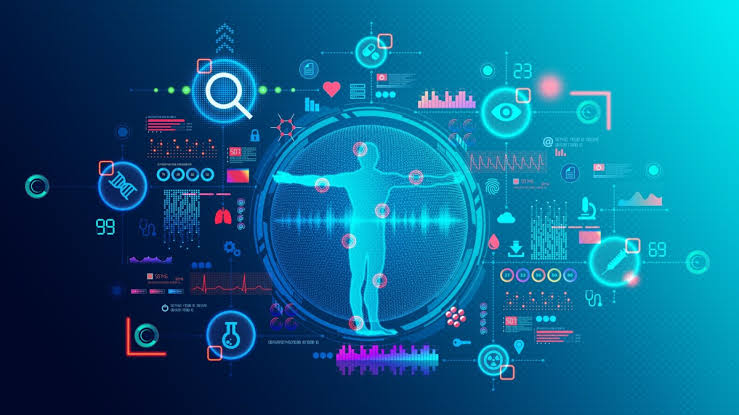


In the rapidly evolving healthcare industry, the combination of advanced technology and patient-centric strategies has become essential for improving outcomes and streamlining operations. Among these technological innovations, Healthcare Customer Relationship Management (CRM) systems integrated with Artificial Intelligence (AI) are emerging as game-changers. They are not just tools for managing patient data—they are transforming the entire patient care experience.
Understanding Healthcare CRM
A Healthcare CRM is a specialized system designed to manage interactions with patients, streamline administrative tasks, and enhance communication between healthcare providers and patients. Unlike traditional CRMs used in business, healthcare CRMs are tailored to the unique needs of the medical sector, including appointment management, patient follow-ups, medical record integration, and personalized communication.
The main goal of a healthcare CRM is to improve patient engagement and satisfaction. By providing a centralized platform for all patient interactions, healthcare providers can offer timely reminders, personalized treatment plans, and proactive care strategies. This not only strengthens the patient-provider relationship but also enhances overall healthcare outcomes.
The Role of AI in Healthcare CRM
Integrating Artificial Intelligence into healthcare CRM systems elevates their capabilities to an entirely new level. AI algorithms can analyze vast amounts of patient data, identify patterns, predict health risks, and even suggest personalized treatment plans. This intelligent automation allows healthcare professionals to focus on what they do best—providing care—while relying on AI to handle complex data analysis and predictive insights.
For example, AI-powered CRMs can help identify patients who are at high risk of chronic conditions like diabetes or heart disease. By analyzing historical health records, lifestyle data, and real-time monitoring, the system can alert healthcare providers to intervene early, preventing complications and reducing hospital readmissions.
Benefits of Healthcare CRM with AI
1. Personalized Patient Care
One of the most significant advantages of AI-enabled healthcare CRMs is their ability to deliver personalized care. Patients today expect more than generic treatment plans—they want care that considers their medical history, lifestyle, and preferences. AI can analyze a patient’s data to recommend tailored treatment options, suggest lifestyle modifications, and even predict potential health issues before they arise.
2. Enhanced Communication and Engagement
Effective communication is at the heart of patient satisfaction. Healthcare CRMs integrated with AI can automate appointment reminders, send follow-up messages, and provide health tips through multiple channels like email, SMS, or mobile apps. AI can even analyze patient interactions to suggest the best time and mode of communication, ensuring patients feel heard and cared for.
3. Streamlined Administrative Tasks
Healthcare providers often spend a significant portion of their time on administrative tasks like scheduling, record-keeping, and billing. AI-powered CRMs can automate these processes, reducing human error and freeing up staff to focus on direct patient care. For instance, AI can automatically update patient records, generate reports, and even predict scheduling bottlenecks to optimize resource allocation.
4. Predictive Analytics for Better Outcomes
Predictive analytics is one of the most powerful features of AI in healthcare CRM. By analyzing historical and real-time data, AI can forecast disease progression, potential complications, and patient adherence to treatment plans. This predictive insight allows healthcare providers to intervene proactively, improving outcomes and reducing costs associated with emergency care or hospital readmissions.
5. Data-Driven Decision Making
Healthcare is a data-intensive field, and AI-enabled CRMs turn this data into actionable insights. From patient satisfaction scores to treatment efficacy metrics, healthcare organizations can make informed decisions based on accurate, real-time data. This not only improves patient care but also enhances operational efficiency and resource management.
Real-World Applications
The combination of healthcare CRM and AI is already transforming patient care across various domains:
- Chronic Disease Management: AI-driven CRMs can monitor patients with chronic conditions, sending alerts to doctors and patients when intervention is needed.
- Telemedicine: By integrating patient data from virtual consultations, AI CRMs can offer recommendations for follow-up care or medication adjustments.
- Patient Retention: Personalized communication strategies and health insights help build long-term relationships, increasing patient loyalty and satisfaction.
- Operational Efficiency: Predictive scheduling, automated billing, and intelligent resource allocation reduce administrative burdens and operational costs.
Challenges and Considerations
While the benefits are significant, integrating AI with healthcare CRM comes with challenges. Data privacy and security are critical, as patient information must comply with regulations like HIPAA. Additionally, healthcare providers must ensure that AI algorithms are transparent, unbiased, and used to augment—not replace—human judgment.
Training staff to use these advanced systems effectively is also essential. Without proper adoption and understanding, even the most sophisticated CRM system can fail to deliver its full potential.

The Future of Patient Care
The future of healthcare lies in intelligent, patient-centric solutions. Healthcare CRM systems powered by AI are not just technological tools—they represent a shift toward proactive, personalized, and efficient care. By leveraging AI, healthcare providers can anticipate patient needs, improve engagement, streamline operations, and ultimately deliver better health outcomes.
In a world where patients demand more convenience, personalization, and responsiveness, AI-driven healthcare CRMs are the bridge between technology and compassionate care. They empower healthcare providers to make smarter decisions while keeping the patient at the center of every interaction.
Healthcare CRM and AI are transforming the way medical providers interact with patients. From enhancing personalized care to streamlining administrative tasks and enabling predictive analytics, these technologies are revolutionizing patient experiences and outcomes. As adoption grows, the healthcare industry can look forward to smarter, more efficient, and more compassionate patient care—ushering in a new era where technology and humanity work hand in hand.