
Hospitals today face a dual challenge: delivering high-quality patient care while managing increasingly complex operations. From appointment scheduling to medical record management, inventory tracking, and patient communication, hospital administrators are tasked with juggling multiple responsibilities simultaneously. In this environment, Healthcare Customer Relationship Management (CRM) solutions have emerged as powerful tools to streamline operations, improve efficiency, and enhance patient satisfaction.
What is a Healthcare CRM?
A Healthcare CRM is a specialized software platform designed to manage and optimize the interactions between patients and healthcare providers. Unlike generic CRM systems used in business, healthcare CRMs are tailored to meet the unique needs of hospitals, clinics, and medical institutions. They provide centralized management of patient data, appointments, communications, billing, and analytics—all in one secure platform.
The primary goal of a healthcare CRM is to simplify operational workflows while fostering stronger patient relationships. By integrating various administrative, clinical, and communication functions, hospitals can ensure smoother operations and more responsive patient care.
Key Benefits of Healthcare CRM Solutions in Hospital Operations
1. Efficient Patient Scheduling
One of the most critical challenges in hospitals is managing appointments and patient flow. Traditional scheduling methods are often prone to errors, double-booking, or long patient wait times. Healthcare CRM solutions automate appointment management, allowing patients to book online or via mobile apps while enabling staff to manage schedules efficiently.
AI-powered CRMs can also predict high-demand periods and optimize staff allocation accordingly. This reduces patient wait times, improves satisfaction, and ensures doctors and nurses can focus on providing quality care rather than administrative tasks.
2. Centralized Patient Data Management
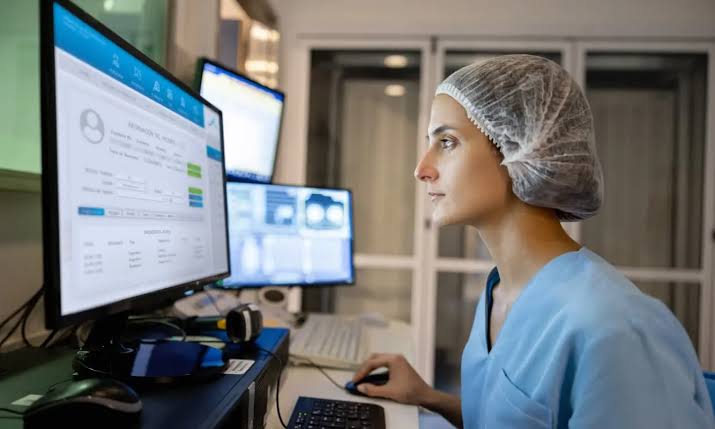
Hospitals generate vast amounts of patient data, including medical histories, lab results, imaging reports, and treatment plans. Healthcare CRM solutions centralize this information, making it easily accessible to authorized staff. This eliminates the need to search through multiple systems, reduces errors, and ensures continuity of care.
Centralized data also supports personalized treatment, allowing physicians to quickly reference a patient’s medical history and provide informed recommendations.
3. Streamlined Communication
Effective communication is critical in hospital operations. Healthcare CRMs enable automated communication with patients through SMS, email, or mobile apps. From appointment reminders to follow-up instructions and health tips, these automated messages keep patients informed and engaged.
Internally, CRMs improve communication among hospital staff. Doctors, nurses, and administrative personnel can share updates, track patient progress, and collaborate seamlessly—all within a single platform.
4. Improved Billing and Revenue Management
Financial management is another area where hospitals benefit from CRM solutions. Integrated billing features help automate invoicing, track payments, and manage insurance claims. By reducing manual errors and streamlining billing workflows, hospitals can ensure faster revenue cycles and more accurate financial reporting.
5. Enhanced Patient Engagement and Satisfaction
A hospital’s reputation is built on patient experiences. Healthcare CRMs provide tools for personalized engagement, such as sending reminders for vaccinations, annual check-ups, or follow-up visits. These proactive interactions make patients feel valued and cared for, ultimately boosting satisfaction and loyalty.
Additionally, many CRM systems include feedback management, allowing hospitals to gather insights directly from patients. This data can be used to identify areas for improvement and enhance overall service quality.
6. Data-Driven Decision Making
Healthcare CRMs generate detailed reports and analytics on various operational metrics. Administrators can track patient flow, staff performance, appointment trends, and revenue patterns. These insights support data-driven decision making, enabling hospitals to optimize operations, allocate resources efficiently, and plan for future growth.
7. Regulatory Compliance and Data Security
Hospitals handle sensitive patient information, making compliance with data privacy regulations critical. Healthcare CRMs are designed with security features that ensure compliance with standards such as HIPAA and GDPR. Role-based access controls, encrypted data storage, and audit trails help hospitals protect patient information while maintaining operational efficiency.
Real-World Applications of Healthcare CRM in Hospitals
- Emergency Departments: Streamlining patient triage, bed allocation, and communication between departments.
- Outpatient Services: Automating appointment scheduling, reminders, and follow-up care.
- Chronic Disease Management: Tracking patient conditions and ensuring adherence to treatment plans.
- Patient Feedback: Collecting insights on hospital services to improve care quality.
- Resource Optimization: Managing staff schedules, medical supplies, and operational logistics efficiently.
Challenges to Consider
While healthcare CRM solutions offer significant benefits, hospitals must approach implementation carefully. Staff training is critical to ensure adoption, and systems must be integrated with existing electronic medical records (EMRs) to avoid duplication of data. Additionally, ongoing monitoring and system updates are essential to maintain security and maximize operational efficiency.
Conclusion
Healthcare CRM solutions are transforming hospital operations by streamlining workflows, improving patient engagement, and enabling data-driven decision making. From scheduling and billing to communication and patient care, these platforms provide a centralized, efficient, and secure way to manage hospital operations.
By leveraging a healthcare CRM, hospitals can reduce administrative burdens, optimize resources, and focus on what truly matters—delivering high-quality patient care. In today’s fast-paced medical environment, adopting such smart solutions is not just a technological upgrade—it’s a strategic move toward operational excellence and superior patient experiences.