Managing a single healthcare facility can be complex—but managing multiple clinics introduces an entirely new set of challenges. From patient records and appointment scheduling to staff coordination and reporting, administrators must ensure smooth operations across all locations while maintaining consistent patient care. Healthcare Customer Relationship Management (CRM) solutions have emerged as indispensable tools for multi-clinic management, offering centralized oversight, streamlined processes, and data-driven insights that optimize operations and enhance patient experiences.
What is a Healthcare CRM?
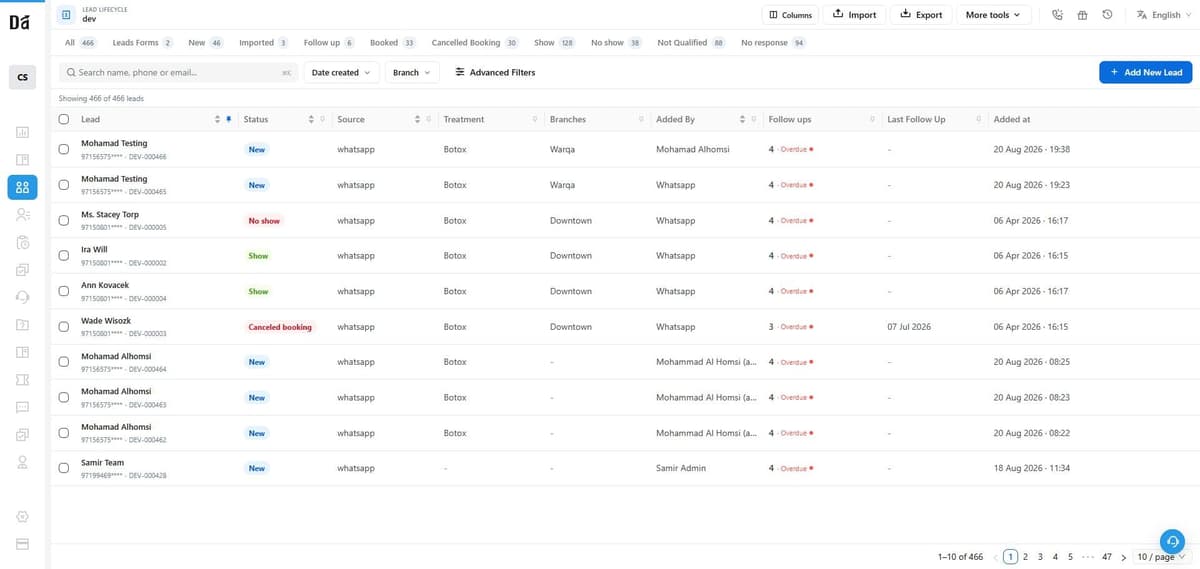
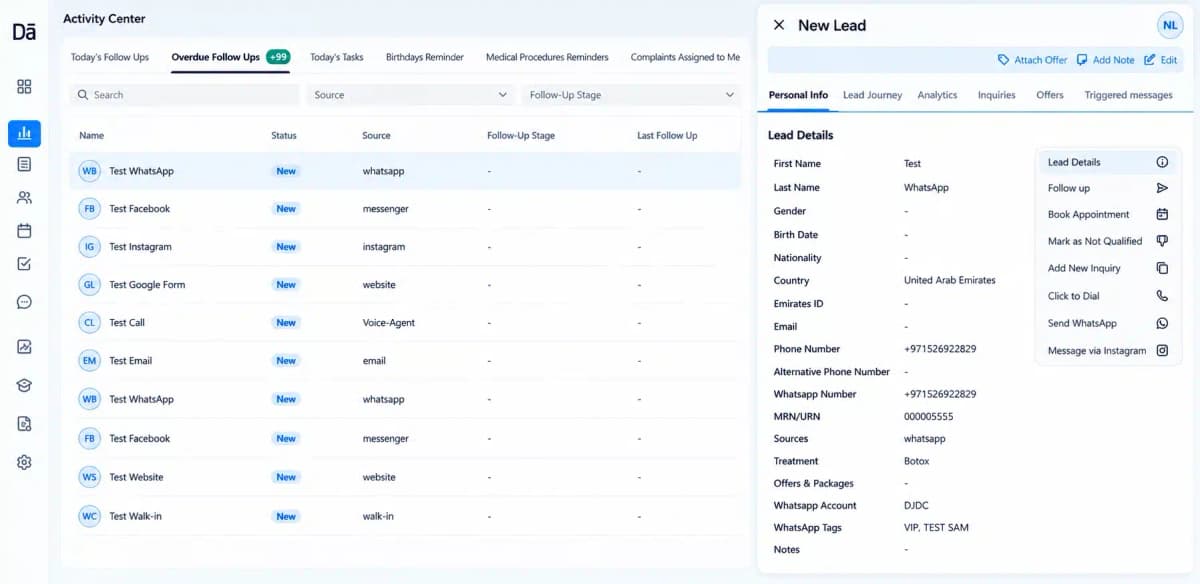
A Healthcare CRM is a specialized software platform designed to manage interactions between healthcare providers and patients, while also handling operational and administrative functions. Unlike standard CRM systems, healthcare CRMs are tailored for medical environments, incorporating features such as patient data management, appointment scheduling, follow-up reminders, billing, and analytics—all within a secure and compliant framework.
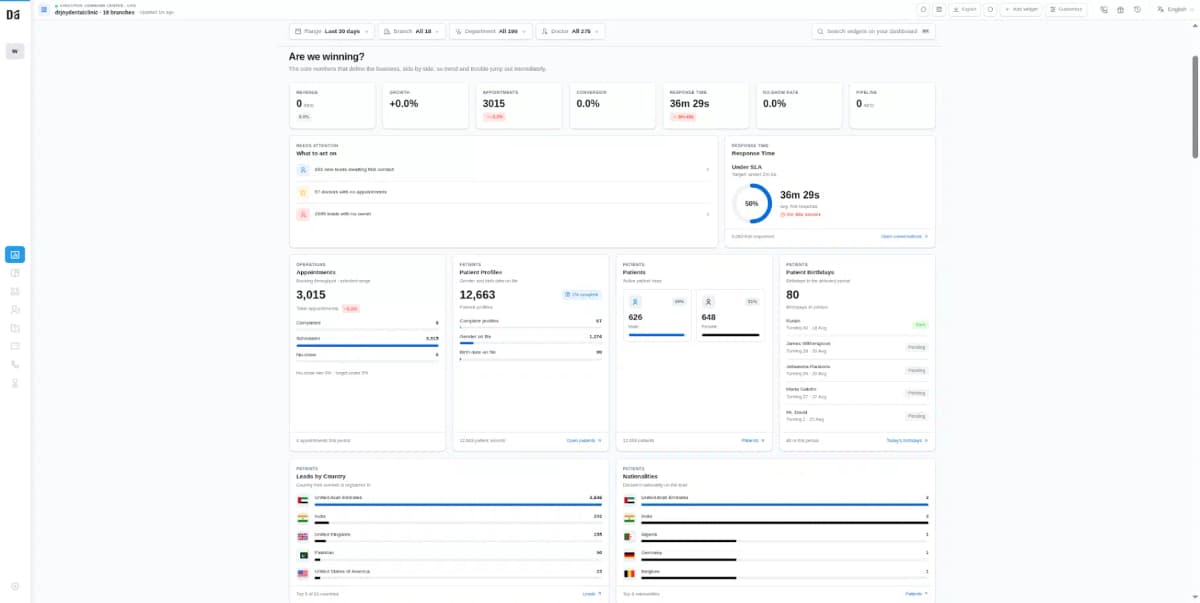
For multi-clinic organizations, a healthcare CRM acts as a centralized hub, providing administrators with real-time visibility into operations across all clinics, enabling consistency in patient care, and improving overall efficiency.
Challenges in Multi-Clinic Management
Managing multiple clinics comes with unique challenges, including:
- Disparate Systems: Different locations may use separate software, leading to fragmented data and inefficiencies.
- Inconsistent Patient Experience: Variability in processes and communication can affect patient satisfaction.
- Resource Allocation: Coordinating staff, equipment, and supplies across multiple locations is complex.
- Data Management: Consolidating medical records and tracking patient interactions across clinics can be cumbersome.
- Reporting and Compliance: Generating unified reports for regulatory compliance and strategic planning is time-consuming without a centralized system.
Healthcare CRM solutions address these challenges by integrating operations into a single platform.
Key Benefits of Healthcare CRM for Multi-Clinic Management
1. Centralized Patient Data
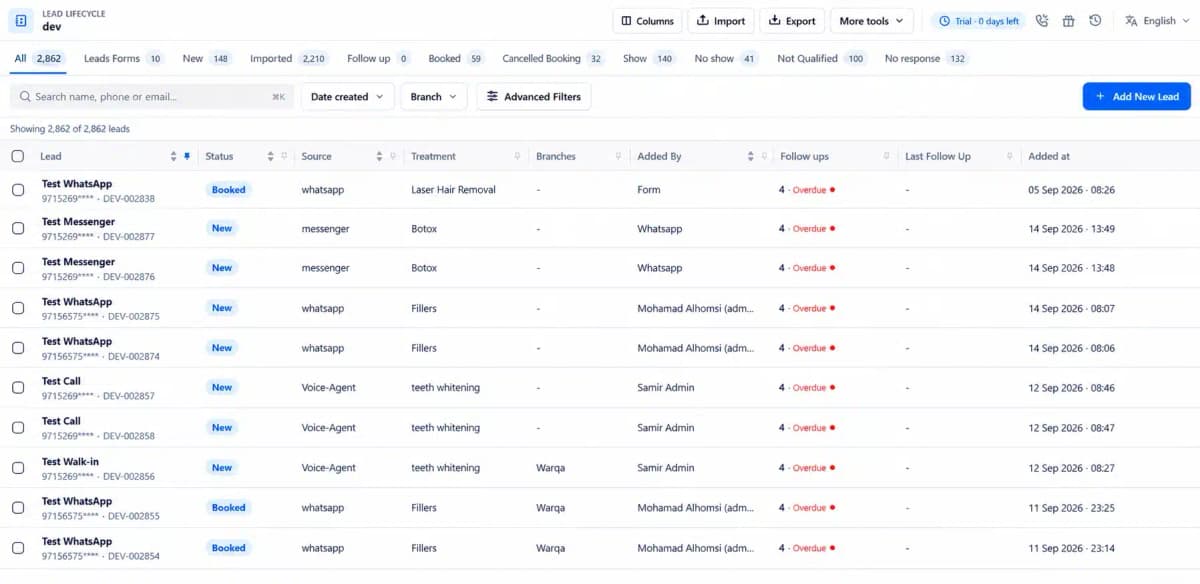
A healthcare CRM centralizes patient information from all clinics, ensuring that medical histories, lab results, and treatment plans are accessible to authorized staff regardless of location. This unified patient view allows doctors to provide consistent, personalized care and reduces the risk of errors caused by fragmented records.
2. Streamlined Appointment Scheduling
Coordinating appointments across multiple clinics can be a logistical nightmare. CRM systems automate scheduling, enabling patients to book appointments online and allowing staff to manage calendars efficiently. AI-driven features can predict high-demand periods and allocate resources accordingly, minimizing wait times and ensuring optimal staff utilization.
3. Consistent Communication Across Clinics
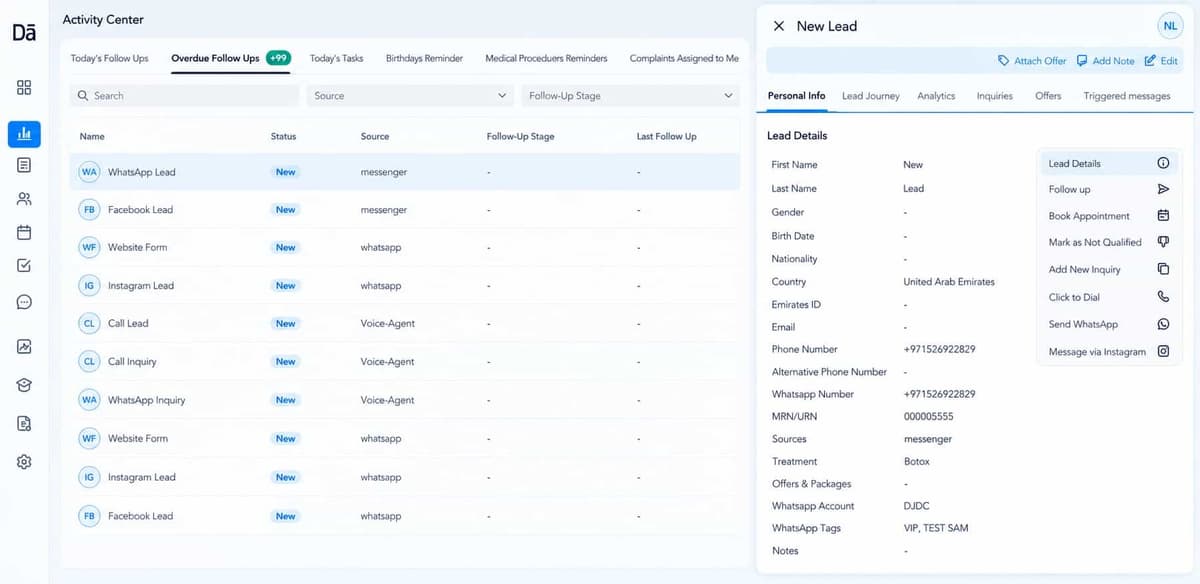
Effective communication is crucial for patient engagement and operational efficiency. Healthcare CRMs automate notifications such as appointment reminders, follow-ups, or health tips across all clinics. Internally, they facilitate smooth communication between staff in different locations, ensuring updates and patient information are shared in real time.
4. Efficient Resource Management
Multi-clinic operations require careful allocation of staff, equipment, and medical supplies. A healthcare CRM provides insights into resource usage across locations, helping administrators identify shortages, optimize scheduling, and reduce operational costs. Predictive analytics can forecast future needs, ensuring clinics remain well-prepared without overstocking or underutilizing resources.
5. Enhanced Reporting and Analytics
Healthcare CRMs generate detailed reports on clinic performance, patient engagement, financial metrics, and treatment outcomes. By consolidating data across all locations, administrators can make data-driven decisions, identify trends, improve operational strategies, and ensure compliance with regulations.
6. Improved Patient Engagement and Satisfaction
Patients value consistency and responsiveness. By integrating communication and care management, healthcare CRMs ensure patients receive the same quality of care regardless of which clinic they visit. Automated follow-ups, personalized health advice, and proactive engagement increase satisfaction, loyalty, and long-term retention.
7. Regulatory Compliance and Data Security
Managing sensitive patient information across multiple locations requires stringent security measures. Healthcare CRMs incorporate encryption, role-based access, and audit trails to ensure compliance with standards like HIPAA and GDPR. Centralized data management also makes it easier to implement and monitor compliance protocols consistently across all clinics.
Real-World Applications
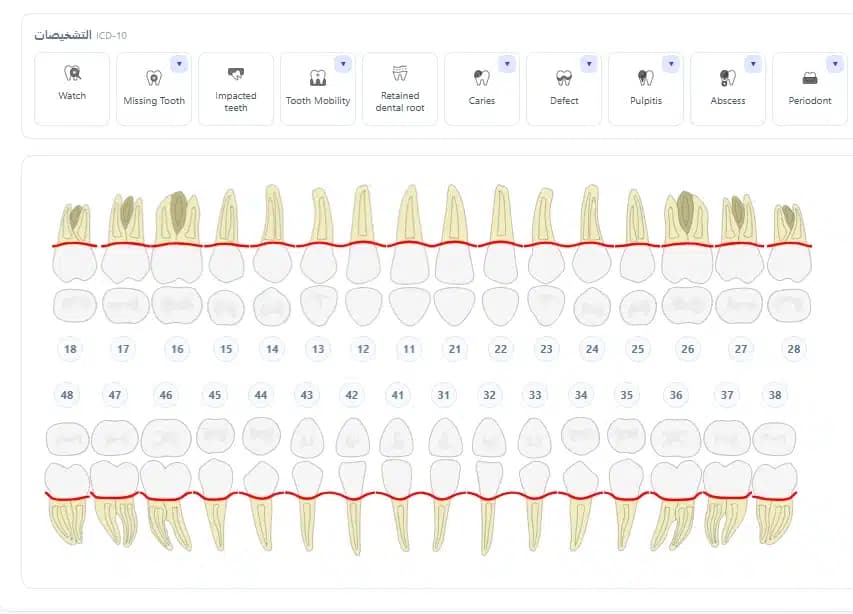
- Chain Clinics: Dental or physiotherapy chains can manage appointments, patient records, and communication centrally.
- Specialty Networks: Multi-specialty healthcare networks can streamline referrals and maintain consistent care across locations.
- Telehealth Integration: CRM systems can consolidate virtual consultation records alongside in-person visits for a comprehensive patient view.
- Marketing and Outreach: Clinics can run targeted campaigns for patient engagement, vaccination drives, or health awareness programs across locations.
Challenges to Consider
While healthcare CRMs offer immense benefits, multi-clinic organizations must plan implementation carefully. Integration with existing EMR or EHR systems is essential to avoid duplicate data. Staff training is critical to ensure proper adoption and consistent use across locations. Additionally, continuous monitoring and system updates are necessary to maintain security, compliance, and optimal performance.
Conclusion
Managing multiple clinics effectively requires centralized control, streamlined processes, and consistent patient engagement. Healthcare CRM solutions provide the infrastructure to achieve all three, allowing administrators to oversee operations, optimize resources, and deliver high-quality care across all locations.
By adopting a CRM system, multi-clinic organizations can reduce administrative burdens, enhance operational efficiency, and maintain a unified patient experience. In an increasingly competitive healthcare landscape, healthcare CRMs are not just operational tools—they are strategic solutions for delivering smarter, more coordinated, and patient-focused care.