Login Link

GDPR and Healthcare CRM: What You Should Know

GDPR and Healthcare CRM: What You Should Know

GDPR and Healthcare CRM: What You Should Know

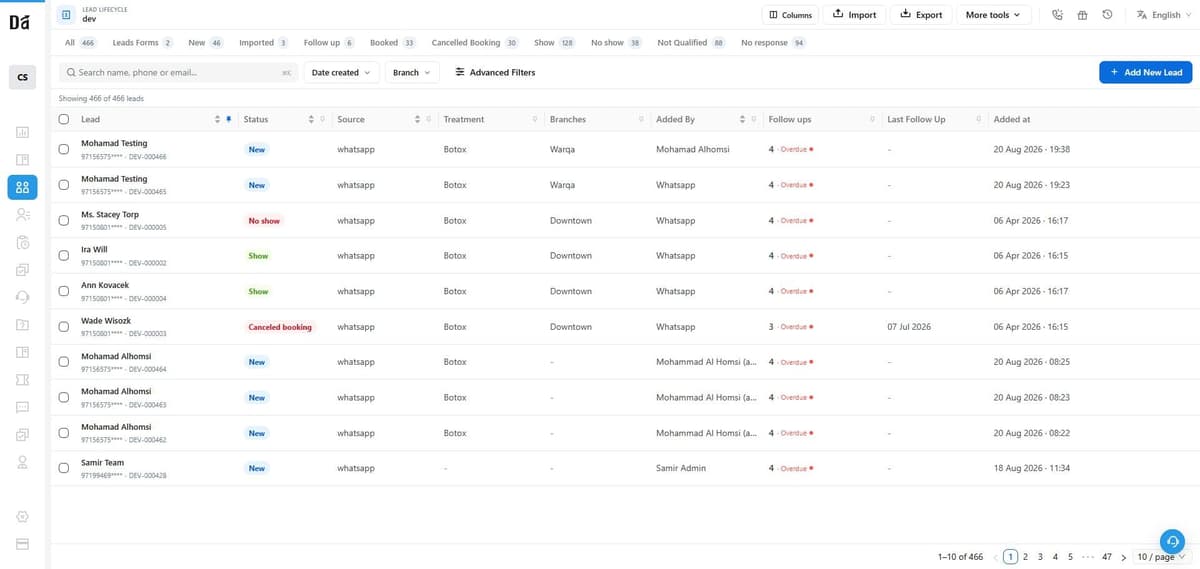
In today’s healthcare landscape, data is at the heart of patient care. From electronic health records to appointment schedules and communication history, healthcare providers rely heavily on data to deliver quality care. Healthcare Customer Relationship Management (CRM) systems are essential tools for managing this data efficiently. However, with the implementation of regulations like the General Data Protection Regulation (GDPR), healthcare organizations must ensure that their CRM systems handle patient data securely and compliantly. Understanding GDPR in the context of healthcare CRMs is critical for protecting patient privacy, avoiding penalties, and maintaining trust.

What is GDPR?

The General Data Protection Regulation (GDPR) is a comprehensive data privacy law enacted by the European Union to protect the personal data of EU citizens. GDPR applies to any organization that collects, processes, or stores the personal data of EU residents, regardless of where the organization is located.

In healthcare, personal data includes medical histories, treatment records, test results, and other sensitive information. GDPR requires healthcare providers to handle this data responsibly, ensuring privacy, transparency, and security.

Why GDPR Matters for Healthcare CRMs

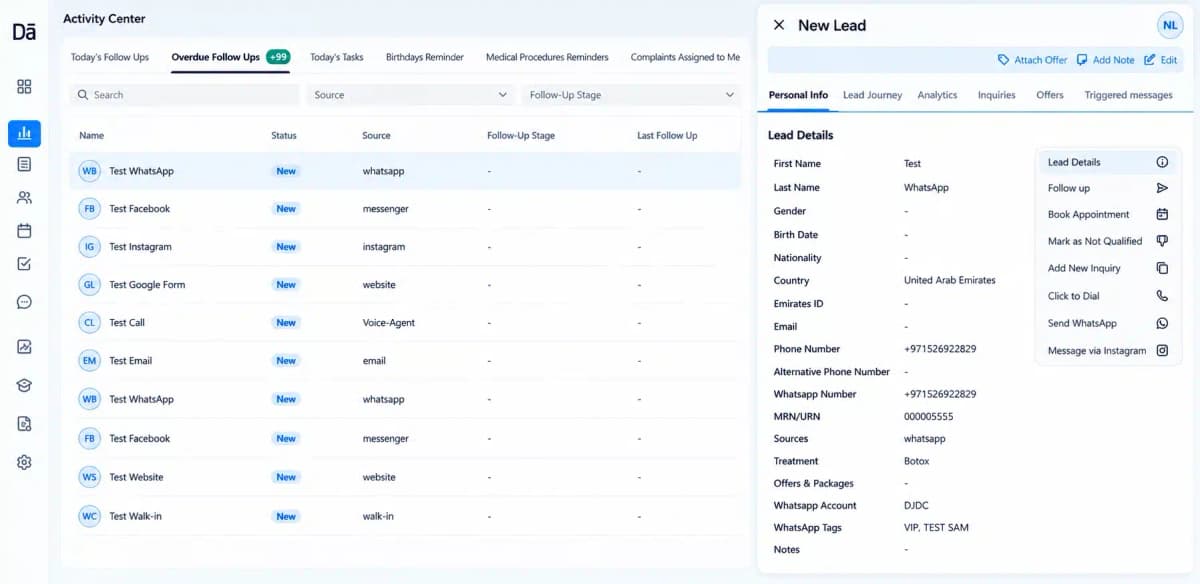
Healthcare CRMs centralize patient information to streamline communication, appointments, billing, and patient engagement. While this centralization improves operational efficiency, it also increases the responsibility of safeguarding sensitive patient data.

Non-compliance with GDPR can lead to:

  • Heavy fines, sometimes up to €20 million or 4% of annual global turnover
  • Legal liabilities and reputational damage
  • Loss of patient trust, which is critical in healthcare

Thus, ensuring GDPR compliance in healthcare CRMs is not just a regulatory requirement—it’s essential for maintaining ethical and professional standards.

Key GDPR Principles Relevant to Healthcare CRMs

1. Lawfulness, Fairness, and Transparency

Healthcare organizations must process patient data lawfully, fairly, and transparently. Patients should know what data is collected, why it is collected, and how it will be used. Healthcare CRMs should provide clear consent mechanisms, allowing patients to authorize the use of their data for treatment, communication, and administrative purposes.

2. Purpose Limitation

Data collected in a healthcare CRM must be used only for specific, legitimate purposes. For example, a patient’s medical records should not be used for marketing campaigns unless explicit consent is given. Ensuring purpose limitation prevents misuse of sensitive healthcare data.

3. Data Minimization

Healthcare CRMs should collect only the data necessary for patient care and operational purposes. Unnecessary collection of information increases risk and can violate GDPR principles. By focusing on essential data, hospitals and clinics can reduce exposure to compliance issues.

4. Accuracy

Patient data must be accurate and up-to-date. Healthcare CRMs should allow easy updating and verification of records, ensuring that treatment decisions are based on correct information.

5. Storage Limitation

GDPR requires that personal data be retained only as long as necessary for its intended purpose. Healthcare CRMs should support data retention policies, automatic archiving, or secure deletion of records that are no longer needed.

6. Integrity and Confidentiality

Patient data must be secure from unauthorized access, breaches, or leaks. Healthcare CRMs should use encryption, role-based access, and audit trails to ensure confidentiality and integrity. Security features must also extend to cloud storage, backups, and third-party integrations.

7. Accountability

Healthcare organizations must demonstrate compliance with GDPR. Healthcare CRMs can support this by maintaining records of consent, logging data processing activities, and providing audit reports to regulators if required.

How Healthcare CRMs Support GDPR Compliance

  1. Secure Data Storage: Modern CRMs use encrypted storage and secure cloud solutions to protect patient information.
  2. Consent Management: CRMs can track patient consent for data collection and communication, ensuring transparency and legal compliance.
  3. Access Control: Role-based permissions restrict who can view or modify sensitive patient data.
  4. Data Portability: Patients have the right to access their data or transfer it to another provider; CRMs can facilitate this process efficiently.
  5. Audit Trails: CRMs log all access and changes to patient data, providing accountability and traceability.
  6. Automated Retention Policies: Data that is no longer required can be archived or deleted automatically, aligning with GDPR retention rules.

Challenges and Best Practices

Even with GDPR-ready CRMs, healthcare organizations must remain vigilant:

  • Staff Training: Employees must understand GDPR principles and follow best practices in handling patient data.
  • Third-Party Integrations: Ensure any connected apps or services are also GDPR-compliant.
  • Regular Audits: Periodic reviews of CRM data management practices help maintain compliance.
  • Data Breach Preparedness: Have a clear protocol for detecting, reporting, and mitigating breaches.

As healthcare organizations increasingly rely on CRMs to manage patient data, GDPR compliance becomes critical for legal, ethical, and operational reasons. Healthcare CRMs, when configured correctly, can support compliance by centralizing data securely, managing consent, and providing robust audit trails.

By combining the efficiency of CRM systems with GDPR best practices, healthcare providers can protect patient privacy, enhance trust, and optimize operations. In an era where data breaches and regulatory scrutiny are growing, leveraging GDPR-compliant healthcare CRMs is not just a technical necessity—it’s a strategic advantage that ensures safer, more responsible patient care.

Read About Doctorna

Get a full product demo via a video call

Scroll to Top