Login Link

Patient Satisfaction Tracking Through Healthcare CRM Systems

Patient Satisfaction Tracking Through Healthcare CRM Systems

Patient Satisfaction Tracking Through Healthcare CRM Systems

In modern healthcare, patient satisfaction has become a key indicator of a provider’s success. Satisfied patients are more likely to follow treatment plans, return for follow-ups, and recommend services to others. However, measuring and improving patient satisfaction can be challenging without the right tools. This is where Healthcare Customer Relationship Management (CRM) systems come into play. By enabling healthcare organizations to track patient interactions, gather feedback, and analyze satisfaction trends, CRM systems have become essential for delivering quality care and improving patient experience.

Understanding the Importance of Patient Satisfaction

Patient satisfaction is more than just a measure of comfort or convenience—it reflects the overall quality of care, communication, and service delivery. A high level of patient satisfaction indicates that healthcare providers are meeting expectations, addressing concerns, and building trust. Conversely, low satisfaction can lead to disengagement, poor adherence to treatments, and ultimately, patient attrition.

Tracking patient satisfaction helps organizations identify areas of improvement, enhance patient experiences, and maintain long-term relationships. Traditional methods like paper surveys or phone calls are often inefficient and prone to delays. A healthcare CRM system modernizes this process, making it easier to monitor satisfaction in real-time.

Centralized Patient Data for Accurate Insights

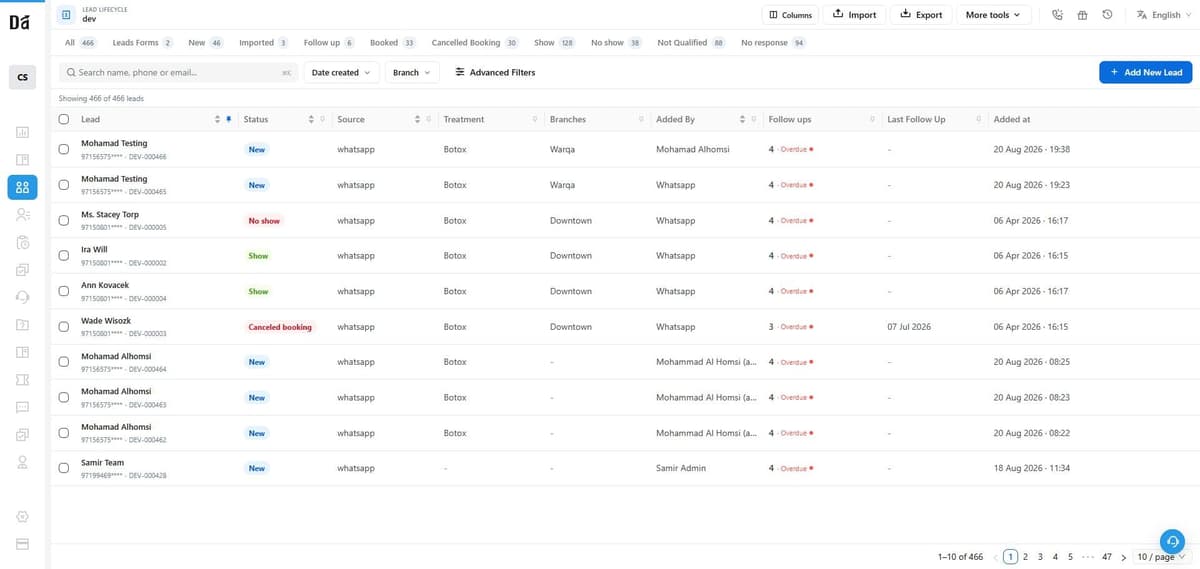
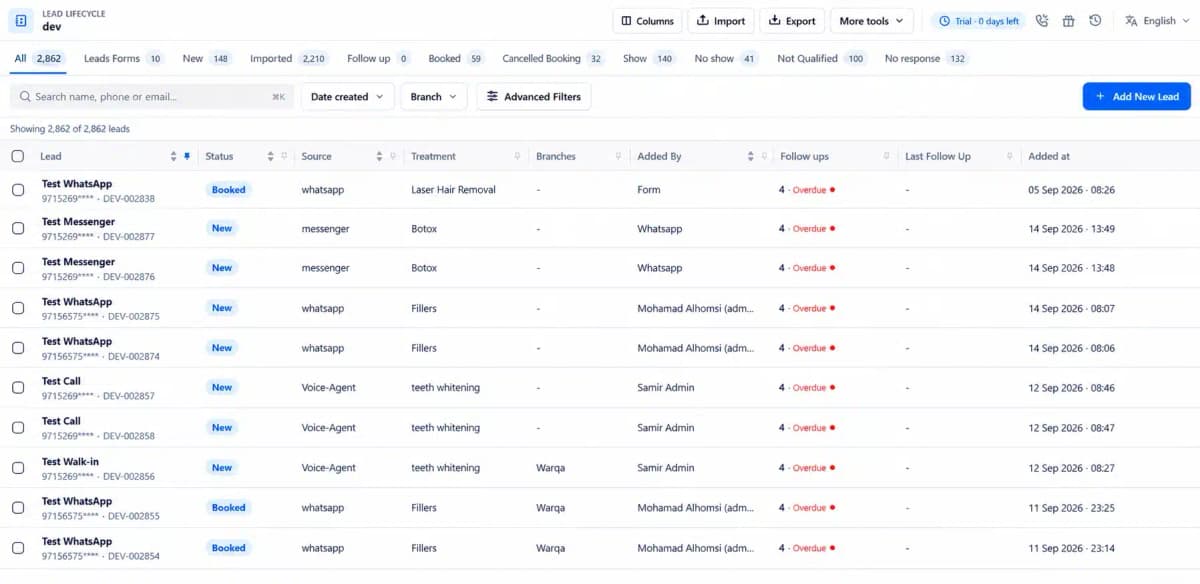
One of the most significant advantages of a healthcare CRM is its ability to centralize patient data. Every interaction—from appointments and follow-ups to medical history and communications—is recorded in one platform. This comprehensive view allows healthcare providers to track patient satisfaction over time, identify patterns, and recognize recurring issues.

Centralized data ensures that feedback is connected to specific patients and services. For instance, if a patient consistently reports long wait times or difficulty in scheduling appointments, the CRM can highlight these concerns, enabling the staff to take corrective action and improve satisfaction.

Collecting Patient Feedback Effectively

Healthcare CRM systems streamline the process of collecting patient feedback through multiple channels. Automated surveys can be sent via email, SMS, or mobile applications immediately after appointments or treatments. This timely approach captures patients’ experiences while they are fresh, leading to more accurate and actionable insights.

Feedback can cover various aspects of care, including staff behavior, facility cleanliness, appointment scheduling, communication clarity, and overall satisfaction. By collecting structured feedback, providers can quantify satisfaction levels, set benchmarks, and monitor improvements over time.

Real-Time Monitoring and Alerts

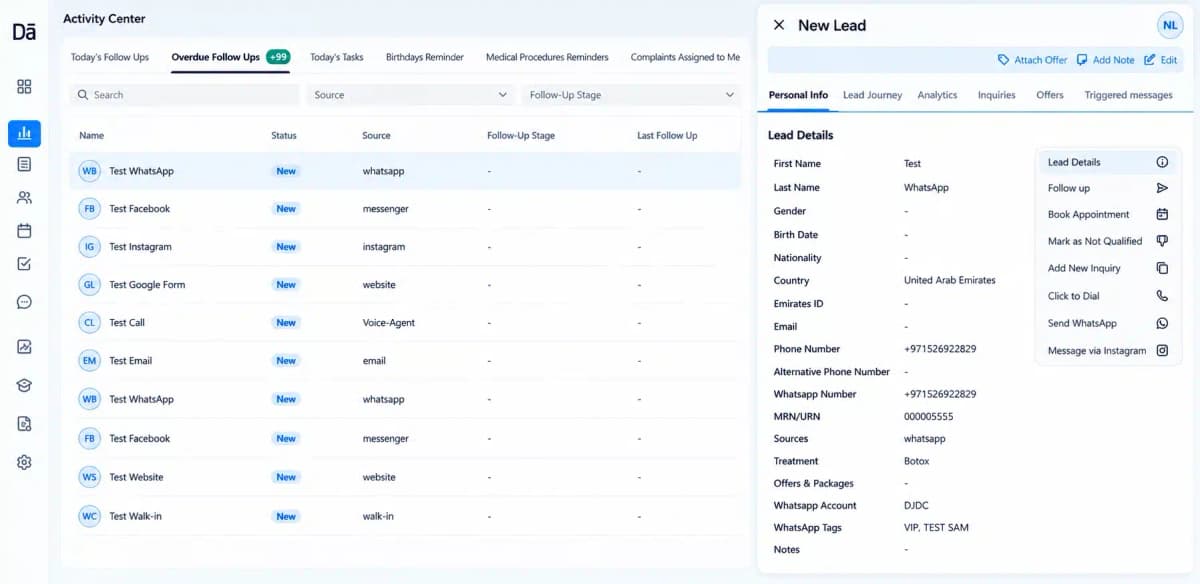
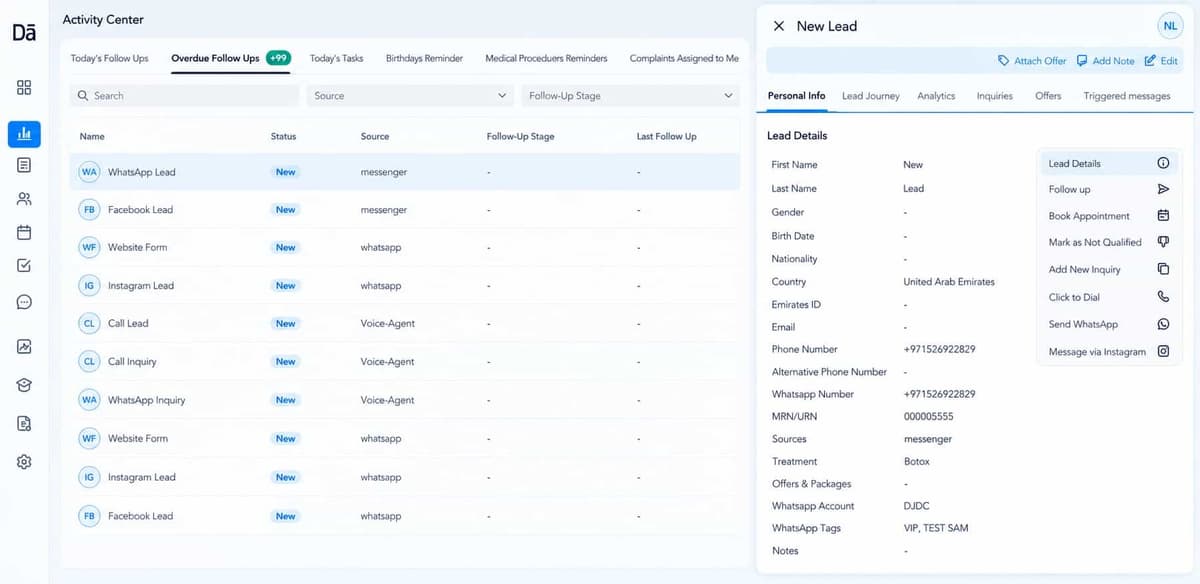
A standout feature of modern healthcare CRM systems is real-time tracking. When feedback is received, the system can automatically flag negative responses or urgent concerns for immediate attention. For example, if a patient reports dissatisfaction with a recent procedure, staff can be alerted instantly to address the issue before it escalates.

Real-time monitoring ensures that patient concerns are not ignored and demonstrates a commitment to responsive care. This proactive approach not only improves individual experiences but also enhances overall patient trust and loyalty.

Personalized Patient Engagement

Tracking satisfaction through a CRM also allows healthcare providers to personalize engagement based on patient needs. If a patient expresses dissatisfaction with a particular service, follow-up messages or calls can be tailored to address the concern. Conversely, positive feedback can be acknowledged with personalized thank-you messages, loyalty programs, or wellness tips.

Personalized engagement shows patients that their opinions matter, creating a stronger emotional connection and increasing the likelihood of repeat visits.

Data Analytics for Continuous Improvement

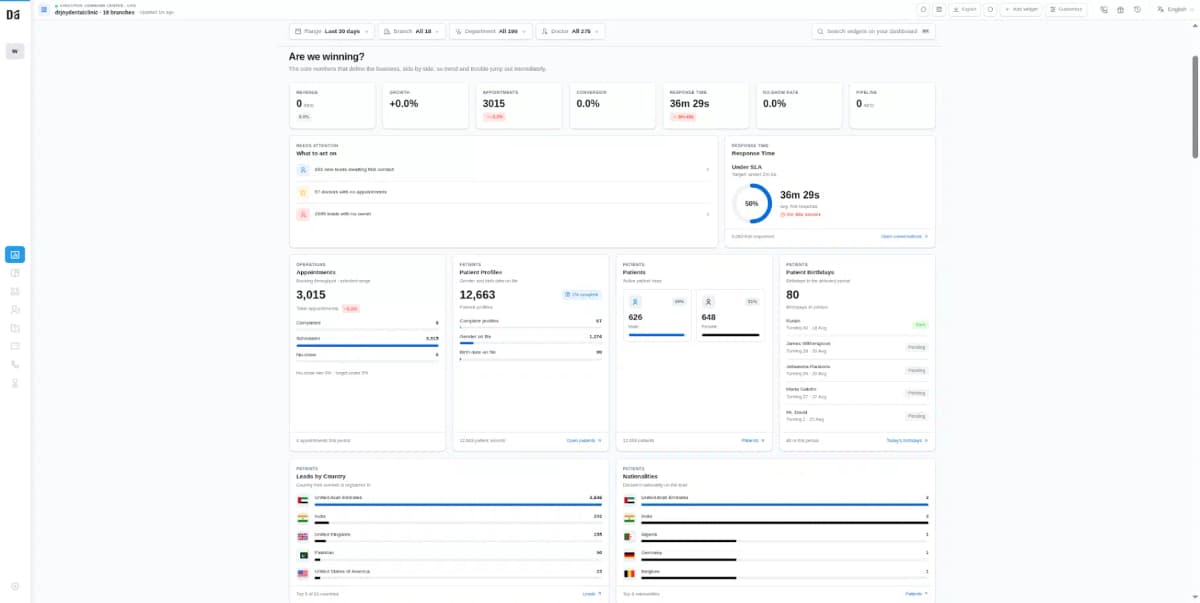
Healthcare CRM systems offer robust analytics tools to interpret patient satisfaction data. Providers can segment patients by demographics, services received, or frequency of visits to understand trends and preferences. Analytics can highlight which departments excel and which require improvement, helping organizations allocate resources effectively.

For example, if the analytics reveal that patients consistently rate wait times poorly, management can implement process improvements or staffing adjustments. By leveraging data-driven insights, healthcare organizations can continuously enhance the patient experience.

Enhancing Staff Performance

Tracking patient satisfaction through a CRM also supports staff performance evaluation. Feedback linked to specific interactions helps managers identify training needs, recognize exceptional service, and address gaps in care delivery. Engaged and well-trained staff contribute significantly to positive patient experiences, reinforcing the importance of satisfaction tracking.

Building Long-Term Patient Loyalty

Ultimately, patient satisfaction tracking through healthcare CRM systems fosters long-term loyalty. Patients who feel heard, valued, and cared for are more likely to maintain ongoing relationships with their healthcare providers. High satisfaction levels lead to better adherence to treatment plans, improved health outcomes, and positive word-of-mouth referrals, strengthening the provider’s reputation in the community.

In an increasingly patient-centric healthcare landscape, tracking satisfaction is no longer optional—it is a necessity. Healthcare CRM systems empower providers to collect timely feedback, analyze trends, personalize engagement, and respond proactively to patient needs. By centralizing data, leveraging analytics, and improving communication, these systems help organizations enhance patient experiences and build lasting relationships.

For healthcare providers committed to delivering exceptional care, investing in a CRM system for patient satisfaction tracking is a strategic step toward higher patient loyalty, better outcomes, and sustainable growth.

Read About Doctorna

Get a full product demo via a video call

Scroll to Top