Login Link

Healthcare CRM: Enhancing Marketing Campaign Performance

Healthcare CRM: Enhancing Marketing Campaign Performance

Healthcare CRM: Enhancing Marketing Campaign Performance

In today’s competitive healthcare landscape, patient expectations are higher than ever. People want timely communication, personalized healthcare experiences, and relevant information delivered through the right channels. Traditional marketing methods alone are no longer sufficient to meet these demands. This is where Healthcare CRM systems play a critical role. By centralizing patient data and enabling smarter engagement strategies, healthcare CRM platforms are transforming how organizations plan, execute, and measure marketing campaigns.

Understanding Healthcare CRM in Marketing

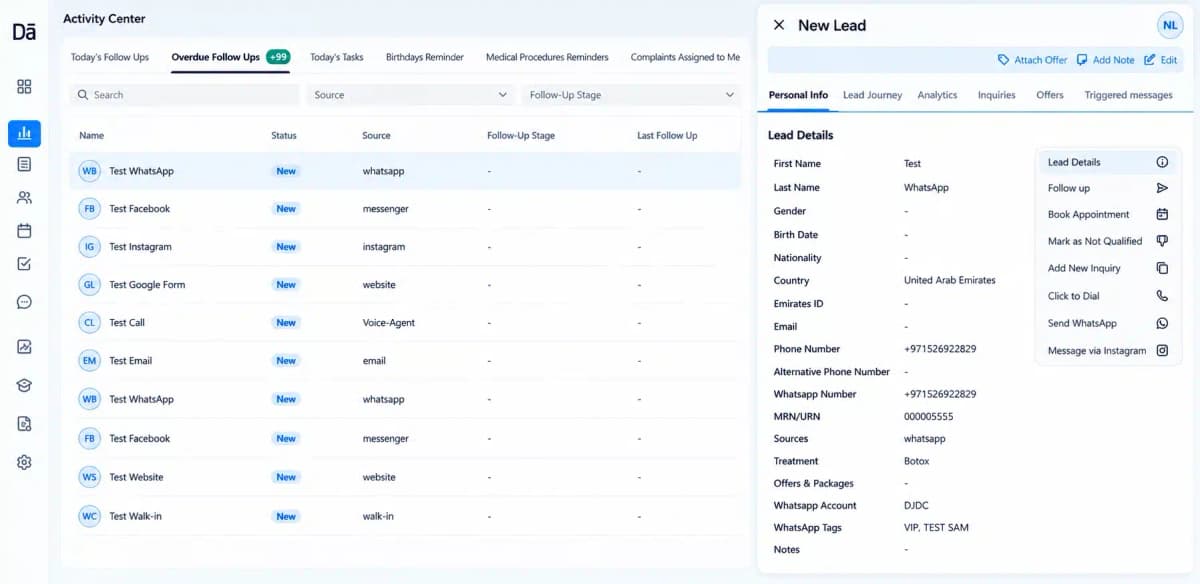
A Healthcare Customer Relationship Management (CRM) system is designed specifically to manage interactions between healthcare providers and patients. Unlike generic CRM tools, healthcare CRM platforms are built with compliance, patient privacy, and clinical workflows in mind. From managing patient inquiries to tracking engagement history, these systems provide a complete view of the patient journey.

When applied to marketing, a healthcare CRM helps organizations move beyond mass messaging. Instead, it enables data-driven, patient-centric campaigns that are more relevant, timely, and effective.

Centralized Patient Data for Smarter Campaigns

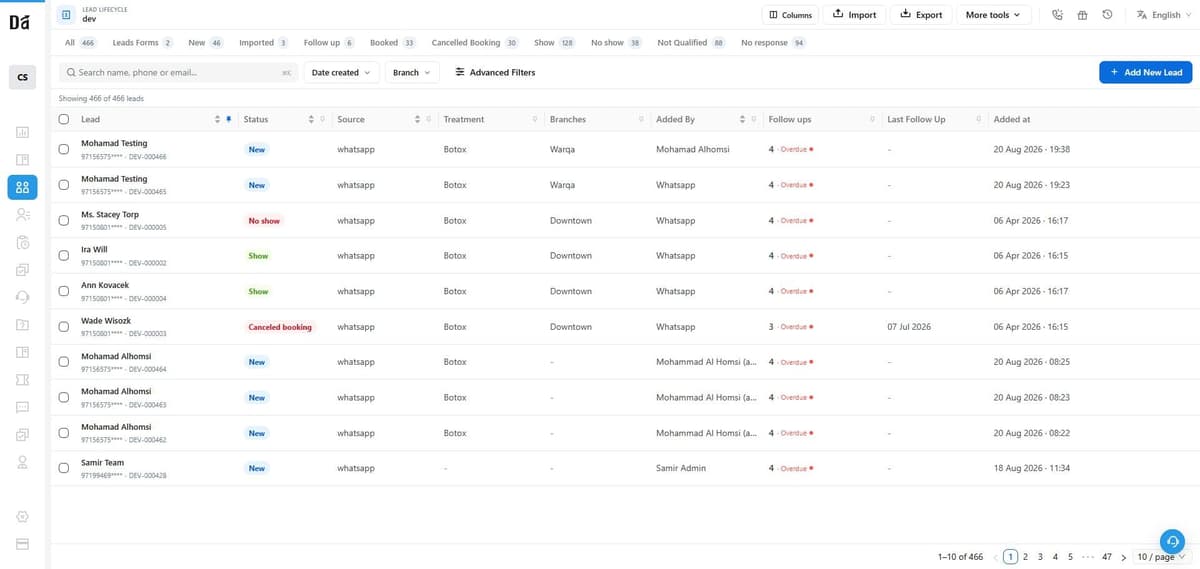
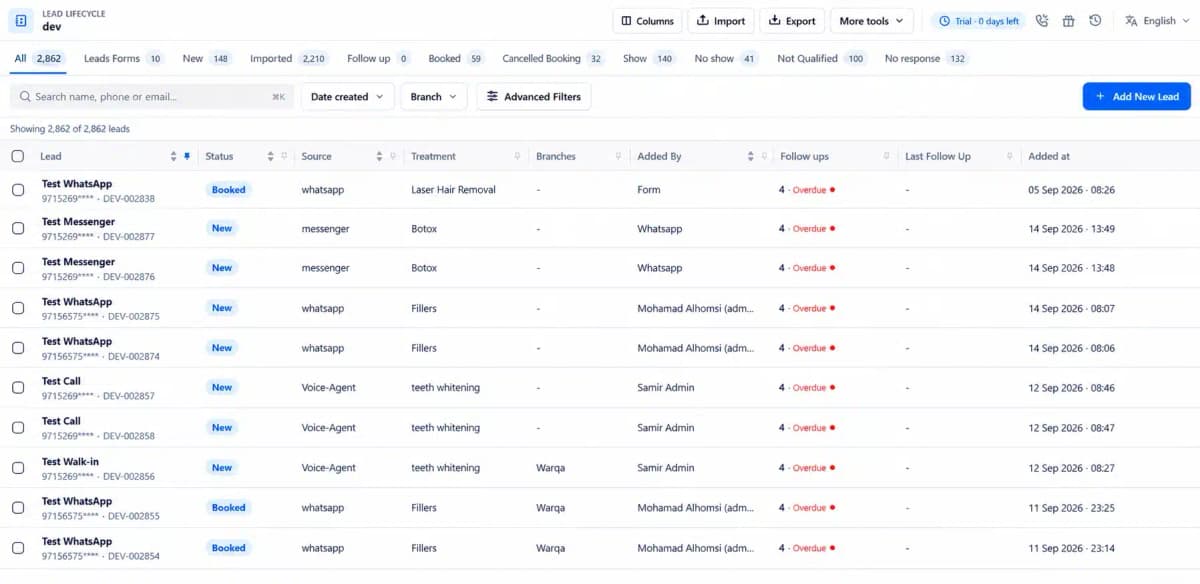
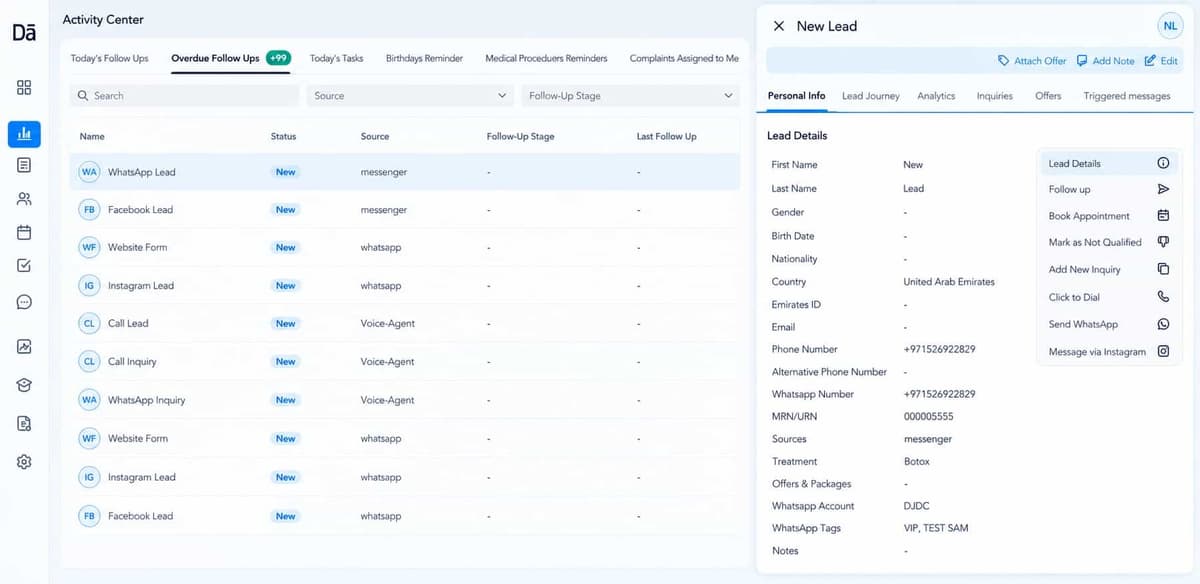
One of the biggest advantages of healthcare CRM is centralized data management. Patient demographics, appointment history, communication preferences, and engagement records are all stored in a single platform. This unified data foundation allows marketing teams to design campaigns based on real insights rather than assumptions.

With accurate and up-to-date data, healthcare marketers can:

  • Identify target audiences more precisely
  • Segment patients based on age, location, service history, or health interests
  • Avoid duplicate or irrelevant communications

As a result, marketing campaigns become more focused, improving response rates and overall performance.

Personalized Communication That Drives Engagement

Personalization is a key factor in enhancing marketing campaign performance. Healthcare CRM systems enable personalized messaging across multiple channels such as email, SMS, patient portals, and social media.

Instead of sending generic promotions, healthcare organizations can tailor messages to individual needs. For example, a patient who recently visited an orthopedic clinic can receive follow-up content related to rehabilitation services or wellness tips. Personalized communication builds trust, strengthens relationships, and significantly increases engagement.

By using healthcare CRM, marketing teams can automate personalization at scale without compromising consistency or compliance.

Improved Patient Segmentation and Targeting

Effective marketing depends on reaching the right audience at the right time. Healthcare CRM platforms allow advanced patient segmentation using multiple criteria such as medical interests, appointment frequency, or engagement behavior.

With better segmentation, healthcare organizations can:

  • Promote specific services to relevant patient groups
  • Launch preventive care campaigns for at-risk populations
  • Reduce marketing spend on uninterested audiences

This targeted approach ensures that campaigns are more relevant, which directly improves conversion rates and campaign ROI.

Marketing Automation for Efficiency and Consistency

Healthcare CRM systems support marketing automation, helping organizations streamline repetitive tasks while maintaining consistent communication. Automated workflows can handle appointment reminders, follow-up messages, health awareness campaigns, and re-engagement initiatives.

Automation ensures that patients receive timely messages without manual effort, reducing the chances of missed opportunities. It also allows marketing teams to focus on strategy, creativity, and performance analysis rather than routine execution.

Consistent automated communication improves brand reliability and enhances the overall patient experience.

Enhanced Campaign Tracking and Performance Analytics

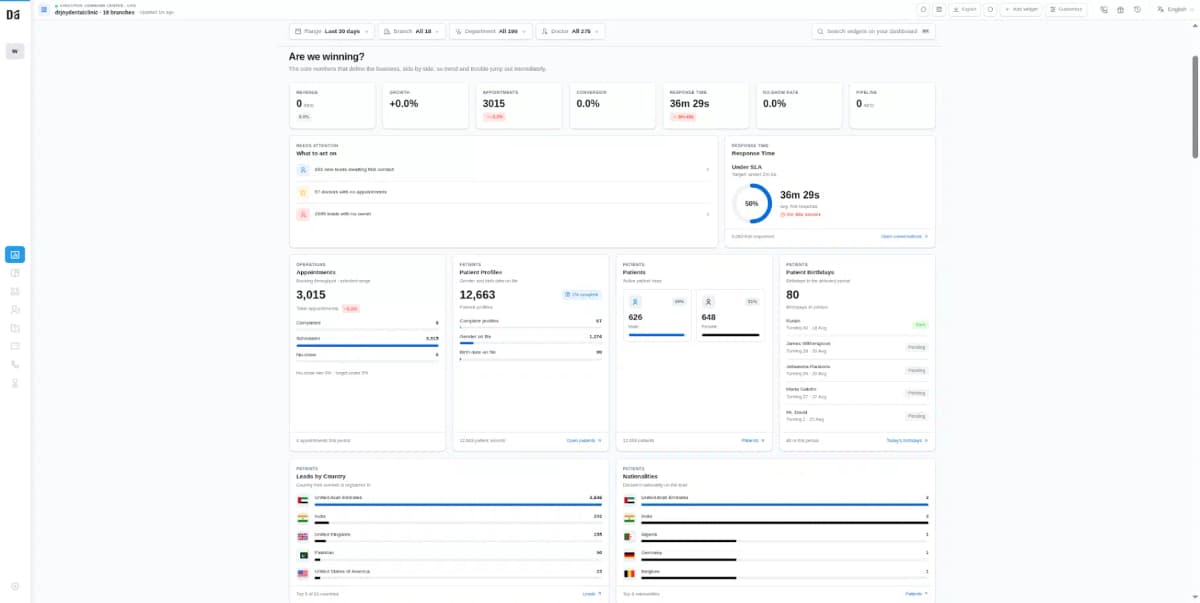
Measuring marketing success is essential for continuous improvement. Healthcare CRM platforms provide built-in analytics and reporting tools that track campaign performance in real time.

Marketing teams can monitor:

  • Open and click-through rates
  • Patient response and conversion metrics
  • Channel-specific performance
  • Engagement trends over time

These insights help organizations understand what works and what doesn’t. By analyzing performance data, healthcare marketers can optimize future campaigns, adjust messaging strategies, and allocate budgets more effectively.

Better Compliance and Patient Trust

Healthcare marketing must adhere to strict regulations related to data privacy and patient consent. Healthcare CRM systems are designed to support compliance with healthcare data protection standards.

Consent management features ensure that communications are sent only to patients who have opted in. Secure data handling and audit trails further enhance trust and credibility. When patients feel confident that their data is protected, they are more likely to engage with marketing communications.

This trust directly contributes to improved campaign effectiveness and long-term patient relationships.

Strengthening Long-Term Patient Relationships

Beyond short-term campaign results, healthcare CRM plays a vital role in building long-term patient loyalty. By maintaining consistent, relevant, and helpful communication, healthcare organizations stay connected with patients throughout their healthcare journey.

Educational content, wellness reminders, and follow-up care messages foster ongoing engagement. Over time, this relationship-driven approach leads to higher patient retention, increased referrals, and stronger brand reputation.

Healthcare CRM: Enhancing Marketing Campaign Performance is not just a trend—it is a strategic necessity for modern healthcare organizations. By centralizing data, enabling personalization, supporting automation, and providing actionable insights, healthcare CRM systems empower marketing teams to deliver more effective and meaningful campaigns.

As patient expectations continue to evolve, healthcare providers that leverage CRM-driven marketing strategies will be better positioned to engage patients, optimize marketing performance, and achieve sustainable growth in an increasingly competitive healthcare environment.

Read About Doctorna

Get a full product demo via a video call

Scroll to Top