
Patient education is a critical component of modern healthcare. When patients understand their conditions, treatments, and preventive measures, they are more likely to follow medical advice and actively participate in their care. However, traditional patient education methods—such as brochures, verbal explanations, and basic videos—often fail to engage patients effectively. Today, innovative technologies like Virtual Reality (VR) are changing this landscape. Using Virtual Reality to enhance patient education in Healthcare CRM systems offers healthcare providers a powerful way to improve patient understanding, engagement, and overall healthcare outcomes.
The Importance of Patient Education in Healthcare
Educating patients about their health conditions and treatment plans is essential for improving outcomes and reducing healthcare costs. Well-informed patients are more likely to follow medication instructions, attend follow-up appointments, and adopt healthier lifestyles.
However, many patients struggle to understand complex medical information. Medical terminology, anatomical concepts, and treatment procedures can be difficult to visualize or comprehend through traditional explanations. As a result, misunderstandings may occur, leading to anxiety, poor compliance, and unsatisfactory healthcare experiences.
This is where technology-driven education tools—particularly virtual reality—can make a meaningful difference.
What Is Virtual Reality in Healthcare?
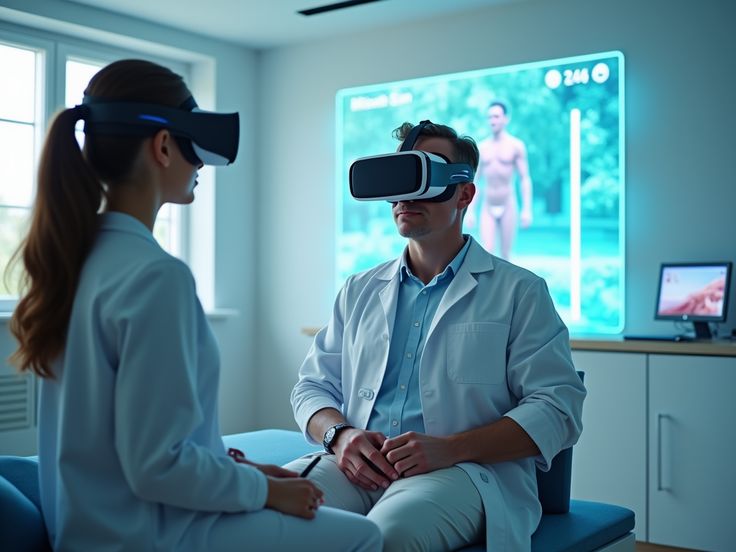
Virtual Reality is a technology that creates immersive, computer-generated environments where users can interact with 3D simulations. In healthcare, VR allows patients to experience realistic visualizations of medical procedures, anatomy, and treatment processes.
Instead of simply reading about a condition or hearing a verbal explanation, patients can explore an interactive 3D environment that demonstrates how their body works and how treatments will help them recover. This immersive learning approach significantly improves comprehension and retention of information.
When VR is integrated into a Healthcare Customer Relationship Management (CRM) system, it becomes part of a structured patient education and engagement strategy.
Understanding Healthcare CRM
A Healthcare CRM is a specialized software platform designed to manage patient relationships, communication, and engagement. It centralizes patient information, tracks interactions, automates communication, and supports personalized healthcare services.
By integrating Virtual Reality with Healthcare CRM, providers can deliver immersive educational experiences while tracking patient interactions, preferences, and learning progress. This combination enables healthcare organizations to create more personalized and effective education programs.
How Virtual Reality Enhances Patient Education in Healthcare CRM
1. Interactive Learning Experiences
One of the biggest advantages of VR is its ability to transform complex medical concepts into interactive visual experiences. Patients can explore detailed 3D models of organs, understand disease progression, or watch simulated procedures.
For example, a patient scheduled for surgery could virtually walk through the procedure beforehand, helping them understand what will happen and reducing anxiety. Healthcare CRM systems can record these educational sessions and track patient engagement.
2. Improved Patient Understanding
Visual learning is often more effective than verbal explanations alone. VR allows patients to see exactly how a treatment works or how a disease affects their body. This improves comprehension and helps patients make informed decisions about their care.
By storing educational progress within the CRM system, healthcare providers can identify which patients may need additional explanations or support.
3. Personalized Patient Education
Healthcare CRM systems store valuable patient data, including medical history, demographics, and treatment plans. When integrated with VR platforms, this data can be used to deliver personalized educational experiences.
For instance, patients with chronic conditions may receive VR modules explaining disease management, lifestyle changes, and medication routines. Personalized VR education increases engagement and encourages patients to take an active role in their health.
4. Reducing Patient Anxiety and Fear
Many patients experience anxiety before medical procedures due to uncertainty or lack of understanding. Virtual reality simulations can demonstrate procedures step-by-step, allowing patients to become familiar with the process.
This transparency helps reduce fear and builds trust between patients and healthcare providers. Healthcare CRM systems can schedule these VR sessions as part of pre-treatment education programs.
5. Enhanced Patient Engagement
Patient engagement is a key goal for healthcare providers. Engaged patients are more likely to follow treatment plans, attend appointments, and maintain communication with their care teams.
VR-based education programs make learning interactive and engaging. When these experiences are integrated with CRM tools—such as reminders, follow-ups, and educational tracking—patients remain more connected to their healthcare journey.
Benefits of Using VR in Healthcare CRM
Integrating Virtual Reality with Healthcare CRM systems offers several advantages:
- Better Patient Understanding: Immersive visual learning helps patients grasp complex medical concepts.
- Improved Treatment Compliance: Educated patients are more likely to follow prescribed treatment plans.
- Higher Patient Satisfaction: Interactive education enhances the overall patient experience.
- Reduced Anxiety: Virtual simulations help patients feel more comfortable with procedures and treatments.
- Data-Driven Insights: CRM systems track patient interactions with VR modules, helping providers improve education strategies.
Best Practices for Implementing VR in Healthcare CRM
Healthcare organizations looking to adopt VR for patient education should consider these best practices:
- Start with High-Impact Use Cases: Focus on procedures or conditions where patient understanding is critical.
- Integrate with CRM Workflows: Ensure VR education sessions are connected with appointment scheduling and follow-up communication.
- Provide User-Friendly Experiences: VR programs should be easy for patients of all ages and technology skill levels to use.
- Train Healthcare Staff: Staff should understand how to guide patients through VR educational experiences.
- Monitor Engagement Data: Use CRM analytics to measure patient engagement and continuously improve educational content.
The Future of Patient Education
The future of healthcare will rely heavily on advanced technologies that improve patient engagement and understanding. Virtual Reality is expected to become a powerful tool for medical education, therapy, and training. When combined with Healthcare CRM platforms, VR creates a comprehensive ecosystem for personalized, interactive patient education.
Healthcare providers who adopt these innovations will be better equipped to deliver patient-centered care, improve health outcomes, and build stronger relationships with their patients.
Conclusion
Using Virtual Reality to enhance patient education in Healthcare CRM represents a significant step forward in modern healthcare communication. By combining immersive VR technology with CRM-driven patient management, healthcare organizations can transform how patients learn about their conditions and treatments.
This integration not only improves patient understanding but also increases engagement, reduces anxiety, and supports better healthcare outcomes. As technology continues to evolve, VR-powered patient education within healthcare CRM systems will play a vital role in creating more informed, confident, and empowered patients.