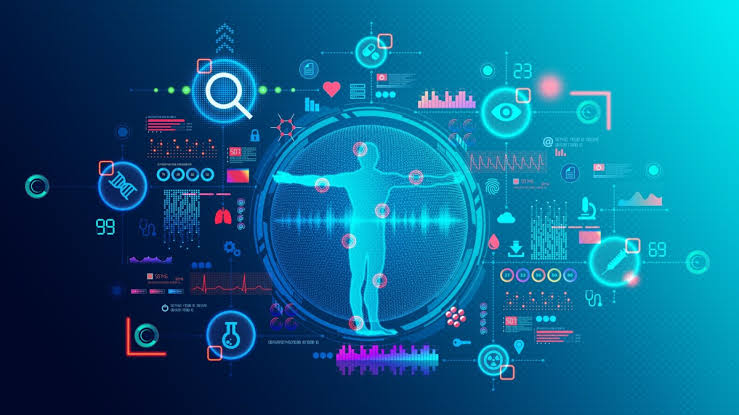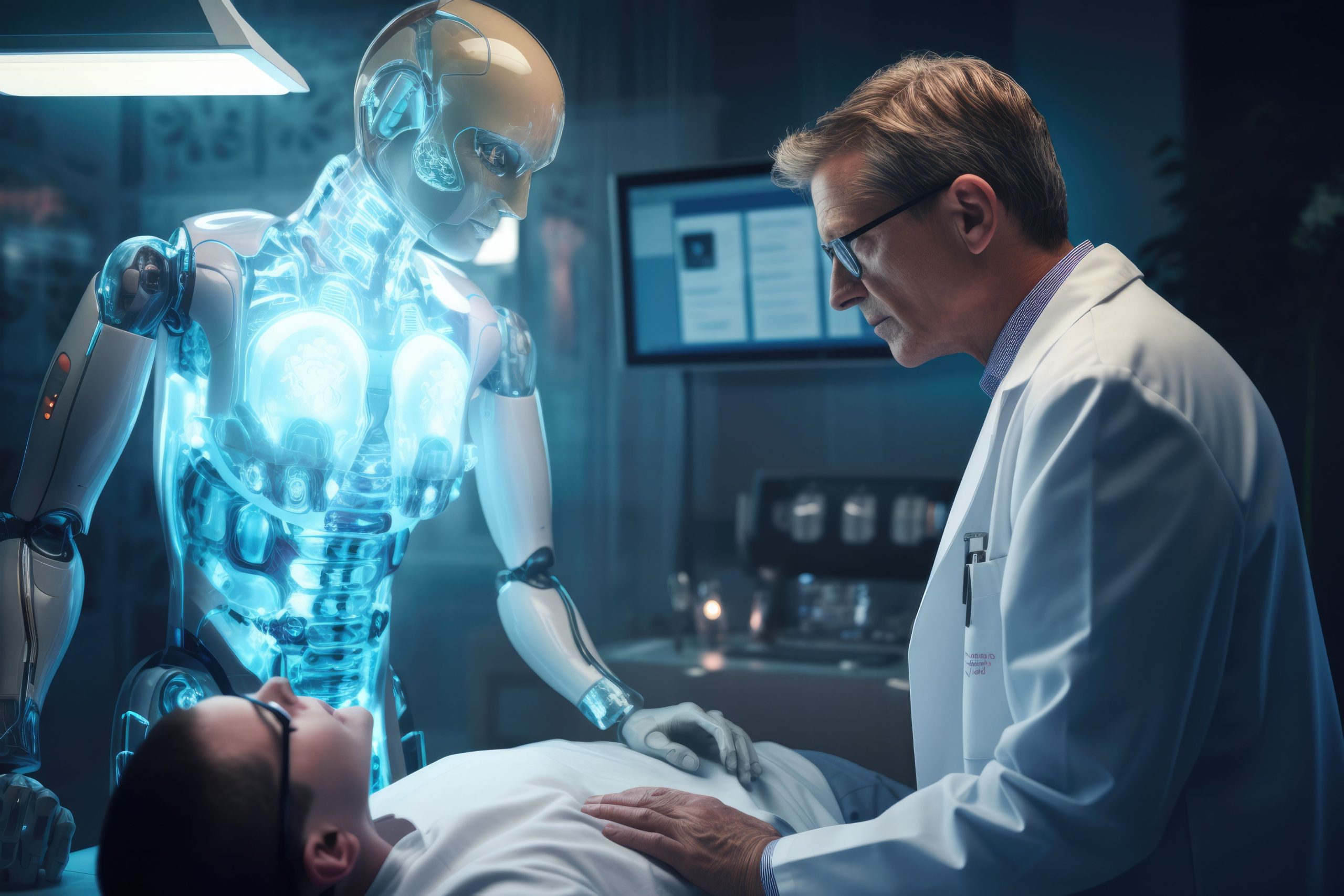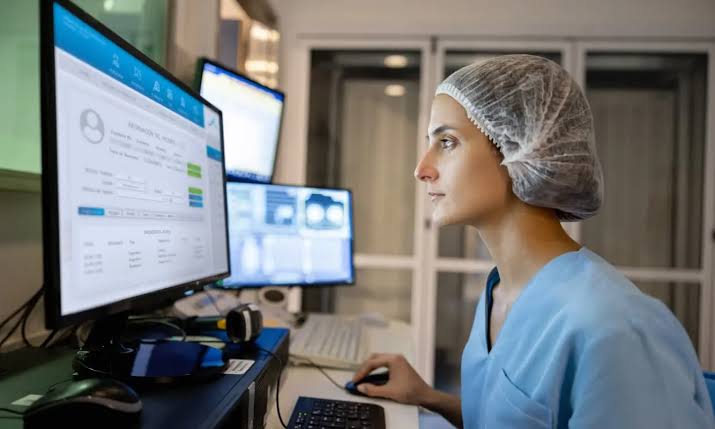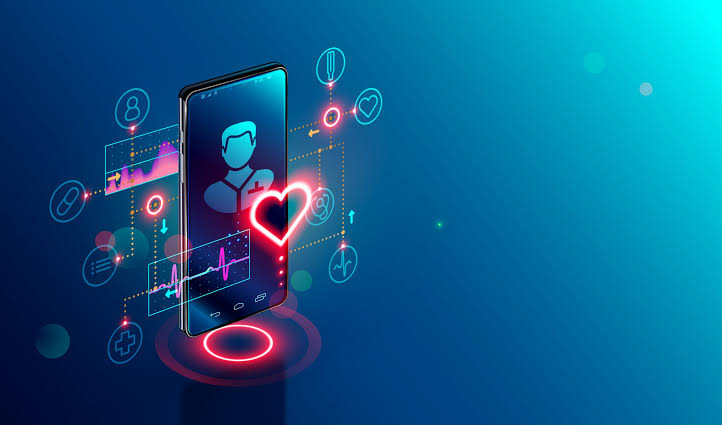
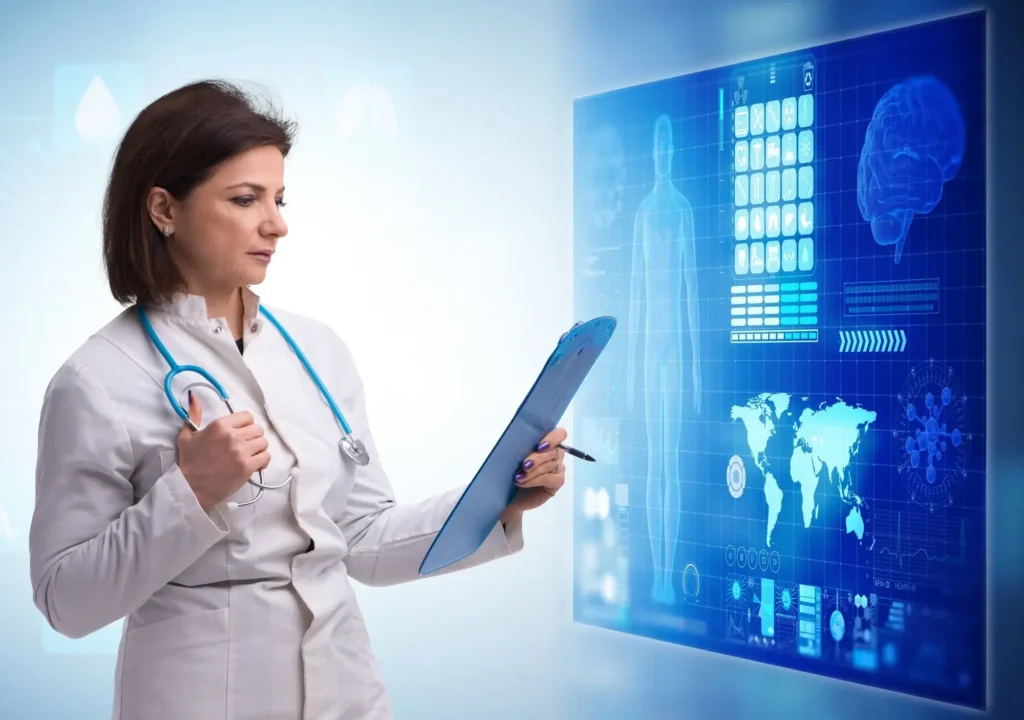
The healthcare sector is experiencing a major shift toward digital solutions that prioritize efficiency, accessibility, and patient-centered care. Among these advancements, Remote Patient Monitoring (RPM) has emerged as a powerful approach to managing patient health outside traditional clinical settings. When integrated with Customer Relationship Management (CRM) systems, RPM becomes even more effective. Understanding CRM Applications in Remote Patient Monitoring in Healthcare CRM is key for healthcare organizations aiming to deliver smarter and more proactive care.
What is Remote Patient Monitoring?
Remote Patient Monitoring involves the use of digital tools and connected devices to collect patient health data from outside healthcare facilities. This includes tracking vital signs such as heart rate, blood pressure, oxygen levels, and glucose readings.
RPM enables healthcare providers to monitor patients continuously without requiring frequent in-person visits. It is particularly valuable for individuals with chronic conditions, those recovering from procedures, and elderly patients who need regular supervision.
The Role of Healthcare CRM in RPM
Healthcare CRM systems serve as centralized platforms that manage patient data, communication, and engagement. When combined with RPM technologies, CRM systems collect and organize real-time health data, making it accessible and actionable.
This integration allows healthcare providers to gain a comprehensive view of each patient’s health status, enabling timely interventions and more personalized care strategies.
Key CRM Applications in Remote Patient Monitoring in Healthcare CRM
Real-Time Data Collection and Access
One of the most important CRM Applications in Remote Patient Monitoring in Healthcare CRM is the ability to gather and access real-time patient data. Information from wearable devices and monitoring tools is automatically synced with the CRM system.
Healthcare providers can quickly review this data, identify irregularities, and take immediate action when necessary.
Automated Alerts and Notifications
CRM systems can be configured to send alerts when patient data crosses predefined thresholds. For instance, abnormal vital signs can trigger instant notifications to healthcare professionals.
These alerts help ensure that potential health issues are addressed early, reducing risks and improving patient safety.
Personalized Communication
With access to detailed patient data, CRM systems enable personalized communication. Patients receive customized reminders for medications, follow-ups, and lifestyle changes.
This tailored approach improves adherence to treatment plans and enhances patient engagement.
Chronic Disease Monitoring
Managing chronic illnesses requires continuous observation and timely adjustments to treatment plans. CRM-integrated RPM systems track patient data over time, helping providers monitor progress and make informed decisions.
This leads to better disease management and fewer hospital visits.
Data Analytics and Insights
CRM platforms analyze collected data to generate meaningful insights. Healthcare providers can identify trends, evaluate treatment effectiveness, and predict potential health concerns.
These insights support proactive care and improve overall healthcare outcomes.
Improved Care Coordination
CRM systems facilitate better communication among healthcare teams by providing a unified view of patient data. This ensures that all providers involved in a patient’s care are informed and aligned.
Effective coordination leads to more consistent and efficient treatment.
Benefits of CRM Applications in Remote Patient Monitoring
Better Patient Outcomes
Continuous monitoring allows for early detection of health issues, leading to timely interventions and improved outcomes.
Greater Convenience for Patients
Patients can receive high-quality care from their homes, reducing the need for frequent hospital visits.
Cost Efficiency
By minimizing hospital admissions and emergency visits, CRM-integrated RPM helps reduce overall healthcare costs.
Increased Operational Efficiency
Automation and real-time data access streamline workflows and reduce administrative burdens.
Enhanced Patient Engagement
Regular communication and personalized care keep patients actively involved in managing their health.
Technologies Supporting RPM and CRM Integration
Wearable Devices
Smart devices track vital signs and transmit data directly to CRM systems.
Mobile Health Applications
These apps allow patients to monitor their health, communicate with providers, and receive updates.
Connected Medical Equipment
Devices such as blood pressure monitors and glucose meters provide accurate real-time data.
Cloud-Based Systems
Cloud platforms ensure secure storage and easy access to patient information from multiple locations.
Challenges in Implementation
Data Privacy and Security
Protecting sensitive patient data is a top priority. Systems must comply with strict regulations and use advanced security measures.
Technical Integration
Integrating RPM devices with CRM platforms can be complex and requires proper planning.
Patient Adoption
Some patients may be reluctant to use digital tools, requiring education and support.
Dependence on Connectivity
Reliable internet access is essential for uninterrupted data transmission.
Best Practices for Effective Implementation
- Select reliable and compatible monitoring devices
- Ensure strong data security protocols
- Provide training for healthcare staff and patients
- Integrate systems seamlessly with existing infrastructure
- Continuously evaluate and optimize system performance
Future Trends in CRM and Remote Patient Monitoring
Artificial Intelligence Integration
AI will enhance predictive capabilities, enabling early detection of potential health risks.
Expansion of Telehealth Services
CRM-integrated RPM will support more advanced virtual care solutions.
Advanced Wearable Technology
Next-generation devices will offer more precise and comprehensive health tracking.
Personalized Healthcare Experiences
Data-driven insights will enable highly customized treatment plans tailored to individual patients.
The integration of CRM systems with remote patient monitoring is reshaping modern healthcare delivery. CRM Applications in Remote Patient Monitoring in Healthcare CRM provide real-time insights, improve patient engagement, and enhance care coordination.
As digital health technologies continue to evolve, healthcare organizations that adopt CRM-powered RPM solutions will be better positioned to deliver efficient, cost-effective, and patient-focused care.