
Effective communication is the foundation of high-quality healthcare. It plays a critical role in building trust, ensuring accurate diagnoses, and improving treatment outcomes. In today’s fast-paced and technology-driven environment, Improving Communication Between Healthcare Providers and Patients has become more important than ever. Clear, compassionate, and timely communication not only enhances patient satisfaction but also contributes to better overall healthcare experiences.
Why Communication Matters in Healthcare
Communication in healthcare goes beyond simply exchanging information. It involves understanding patient concerns, explaining medical conditions, and ensuring that patients feel heard and valued. When communication is effective, patients are more likely to follow treatment plans, attend appointments, and actively participate in their own care.
On the other hand, poor communication can lead to misunderstandings, misdiagnoses, and reduced patient trust. This can negatively impact both patient outcomes and the reputation of healthcare providers.
Building Trust Through Clear Communication
Trust is a vital component of the patient-provider relationship. Patients need to feel confident that their healthcare provider understands their needs and has their best interests in mind.
Improving communication begins with active listening. Healthcare professionals should take the time to listen carefully to patients, acknowledge their concerns, and respond with empathy. Using simple, non-technical language also helps patients better understand their condition and treatment options.
When patients feel respected and informed, they are more likely to trust their providers and engage in their healthcare journey.
The Role of Technology in Communication
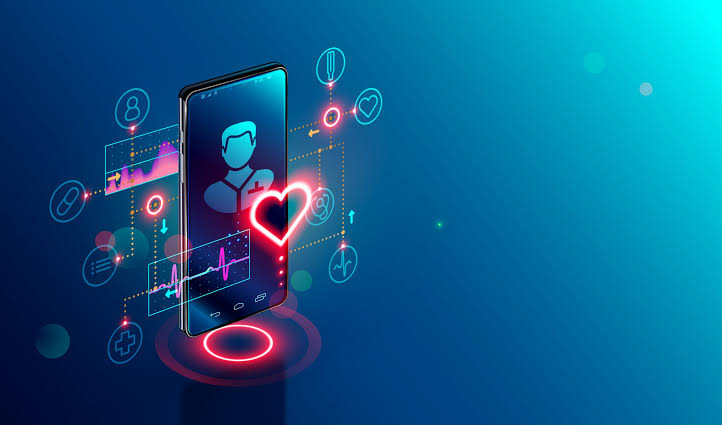
Modern technology has significantly transformed how healthcare providers communicate with patients. Digital tools such as patient portals, mobile apps, and automated messaging systems make it easier to share information quickly and efficiently.
For example, appointment reminders, test results, and follow-up instructions can be delivered instantly through digital platforms. This reduces delays and ensures that patients stay informed about their care.
Telehealth services have also improved accessibility, allowing patients to consult with healthcare providers remotely. This is particularly beneficial for individuals in remote areas or those with mobility challenges.
Personalizing Patient Interactions
Every patient is unique, and personalized communication is key to meeting individual needs. Healthcare providers should consider factors such as age, cultural background, language preferences, and health literacy when communicating with patients.
Personalized communication helps patients feel understood and valued. It also improves their ability to comprehend medical information and make informed decisions.
For instance, some patients may prefer detailed explanations, while others may need simplified instructions. Adapting communication styles accordingly can significantly enhance the patient experience.
Reducing Communication Barriers
Several barriers can hinder effective communication in healthcare, including language differences, time constraints, and lack of clarity. Addressing these challenges is essential for improving patient-provider interactions.
Using interpreters or translation services can help overcome language barriers. Providing written instructions and visual aids can also improve understanding, especially for complex medical information.
Healthcare providers should also ensure that they allocate sufficient time for patient interactions, allowing for questions and clarifications.
Encouraging Patient Engagement
Improving Communication Between Healthcare Providers and Patients involves encouraging patients to take an active role in their care. Engaged patients are more likely to follow treatment plans, ask questions, and share important information.
Healthcare providers can promote engagement by creating a supportive environment where patients feel comfortable expressing their concerns. Asking open-ended questions and involving patients in decision-making processes can further enhance engagement.
Educating patients about their conditions and treatment options also empowers them to make informed choices.
Enhancing Team Communication
Effective communication is not limited to interactions between providers and patients. It also involves coordination among healthcare teams. Clear communication between doctors, nurses, and administrative staff ensures that patient care is consistent and well-organized.
When healthcare teams communicate effectively, it reduces the risk of errors and improves the overall quality of care. This, in turn, enhances the patient experience and builds trust in the healthcare system.
The Importance of Feedback
Feedback is a valuable tool for improving communication. Healthcare providers should encourage patients to share their experiences and सुझाव for improvement.
Patient feedback helps identify communication gaps and areas that need attention. It also demonstrates that healthcare providers value patient opinions and are committed to continuous improvement.
Regularly reviewing and acting on feedback can lead to more effective communication strategies and better patient outcomes.
Training Healthcare Professionals
Communication skills are essential for healthcare professionals and should be a key focus of training programs. Providers should be equipped with the skills needed to communicate clearly, empathetically, and effectively.
Training can include techniques such as active listening, conflict resolution, and cultural sensitivity. Continuous professional development ensures that healthcare providers stay updated on best practices in communication.
Investing in communication training ultimately leads to improved patient satisfaction and better healthcare delivery.
The Future of Healthcare Communication
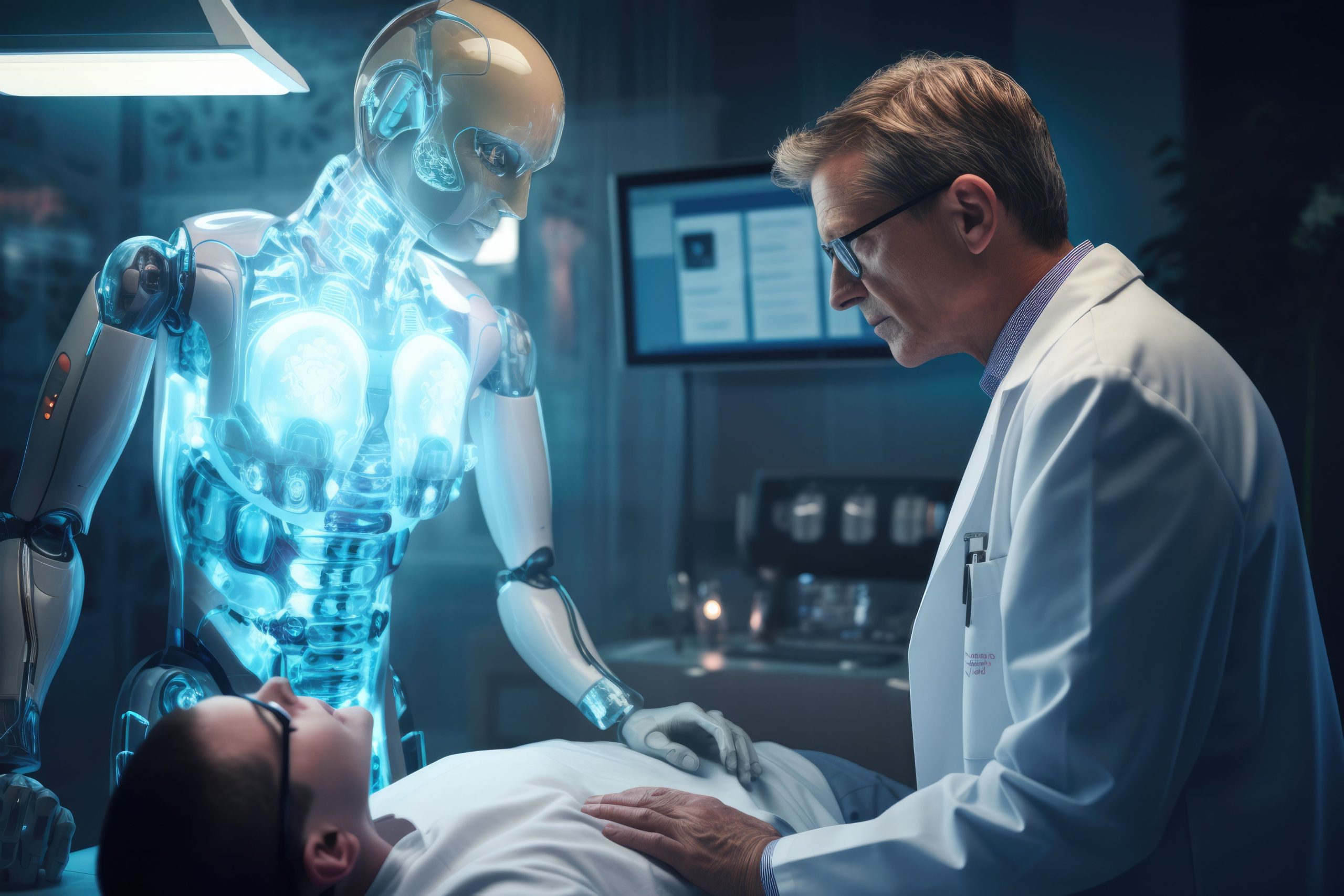
As healthcare continues to evolve, communication strategies will become even more advanced. Emerging technologies such as artificial intelligence and data analytics will enable more personalized and efficient communication.
Automated systems can analyze patient data to deliver targeted messages, reminders, and health recommendations. This not only improves efficiency but also enhances patient engagement.
The future of healthcare communication lies in combining technology with a human-centered approach, ensuring that patients receive both accurate information and compassionate care.