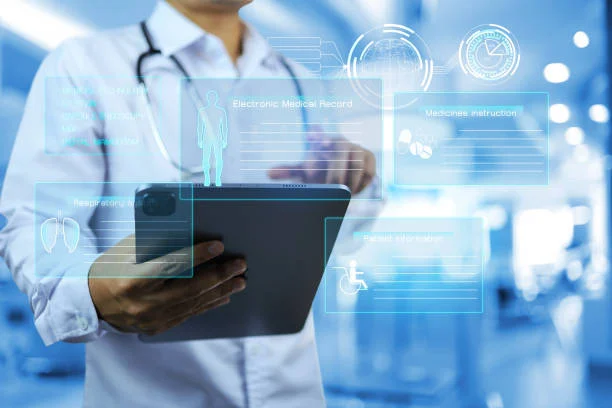
In the era of digital transformation, healthcare organizations are increasingly relying on advanced technologies to improve patient care and operational efficiency. Two of the most critical systems in modern healthcare are Customer Relationship Management (CRM) platforms and Electronic Medical/Health Records (EMR/EHR) systems. While each serves a distinct purpose, combining them creates a powerful ecosystem. Understanding Integrating Healthcare CRM with EMR/EHR Systems is essential for organizations aiming to deliver seamless, data-driven, and patient-centric care.
Understanding CRM and EMR/EHR Systems
Before exploring integration, it’s important to understand the roles of these systems. Healthcare CRM focuses on managing patient interactions, communication, and engagement. It helps streamline administrative tasks, automate communication, and enhance patient experiences.
On the other hand, EMR (Electronic Medical Records) and EHR (Electronic Health Records) systems are designed to store and manage clinical data. They include patient medical histories, diagnoses, treatment plans, lab results, and other critical health information.
While EMR/EHR systems are primarily clinical, CRM systems are more focused on communication and relationship management. Integrating the two bridges the gap between clinical care and patient engagement.
Why Integration is Important
Healthcare organizations often face challenges when using separate systems for clinical and administrative functions. Data silos can lead to inefficiencies, duplication of work, and communication gaps.
Integrating Healthcare CRM with EMR/EHR Systems eliminates these silos by creating a unified platform where patient information flows seamlessly between systems. This ensures that healthcare providers have a complete view of each patient, enabling better decision-making and improved care delivery.
Enhancing Patient Data Accessibility
One of the most significant benefits of integration is improved access to patient data. When CRM and EMR/EHR systems are connected, healthcare providers can view both clinical and non-clinical information in one place.
For example, a provider can access a patient’s medical history alongside their communication records, appointment history, and preferences. This comprehensive view allows for more informed and personalized care.
Improved data accessibility also reduces the time spent searching for information, enhancing workflow efficiency.
Streamlining Communication and Coordination
Effective communication is critical in healthcare, and integration plays a key role in improving it. CRM systems can use data from EMR/EHR systems to send personalized and timely communication to patients.
For instance, after a consultation recorded in the EHR, the CRM can automatically send follow-up instructions, medication reminders, or wellness tips. This ensures continuity of care and keeps patients engaged.
Integration also improves coordination among healthcare teams by ensuring that everyone has access to the same up-to-date information.
Reducing Administrative Burden
Manual data entry and repetitive administrative tasks can slow down healthcare operations. Integrating CRM with EMR/EHR systems reduces the need for duplicate data entry by synchronizing information across platforms.
When a patient updates their details in one system, the changes are automatically reflected in the other. This not only saves time but also minimizes errors and inconsistencies.
By reducing administrative workload, healthcare staff can focus more on patient care, improving overall service quality.
Supporting Personalized Patient Experiences
Modern healthcare is increasingly focused on personalization. Integration enables CRM systems to leverage clinical data from EMR/EHR systems to deliver tailored communication and care.
For example, patients with specific conditions can receive targeted health tips, reminders for follow-up visits, and preventive care suggestions. Personalized experiences enhance patient satisfaction and build stronger relationships.
This level of customization is only possible when systems are connected and data is shared effectively.
Improving Clinical Decision-Making
Access to comprehensive patient data supports better clinical decisions. When healthcare providers have both medical and behavioral insights, they can develop more accurate diagnoses and treatment plans.
For instance, understanding a patient’s appointment history, adherence to treatment, and communication patterns can provide valuable context for clinical decisions.
Integrating Healthcare CRM with EMR/EHR Systems ensures that providers have a holistic view of the patient, leading to improved outcomes.
Enhancing Compliance and Data Security
Healthcare organizations must adhere to strict regulations regarding data privacy and security. Integration helps maintain compliance by ensuring consistent data handling across systems.
Modern CRM and EMR/EHR platforms are equipped with advanced security features such as encryption, access controls, and audit trails. Integration ensures that these protections are applied uniformly.
By maintaining secure and compliant systems, healthcare organizations can build trust with patients and avoid legal risks.
Leveraging Analytics and Insights
Integration enables healthcare organizations to combine data from CRM and EMR/EHR systems for advanced analytics. This provides deeper insights into patient behavior, treatment outcomes, and operational efficiency.
Organizations can track metrics such as patient engagement, appointment trends, and service performance. These insights support data-driven decision-making and continuous improvement.
Analytics also help identify areas where processes can be optimized to enhance both efficiency and patient satisfaction.
Challenges of Integration
While the benefits are significant, integrating CRM with EMR/EHR systems can present challenges. These may include technical complexities, data migration issues, and the need for staff training.
Healthcare organizations must choose compatible systems and work with experienced implementation teams to ensure a smooth integration process. Proper planning and ongoing support are essential for success.
Despite these challenges, the long-term advantages far outweigh the initial effort.
The Future of Integrated Healthcare Systems
As healthcare technology continues to evolve, integration will become even more advanced. Artificial intelligence, machine learning, and predictive analytics will further enhance the capabilities of integrated systems.
Future platforms will provide real-time insights, automate complex processes, and enable proactive care. This will lead to more efficient workflows and improved patient outcomes.
Organizations that embrace integration today will be better prepared for the future of healthcare.