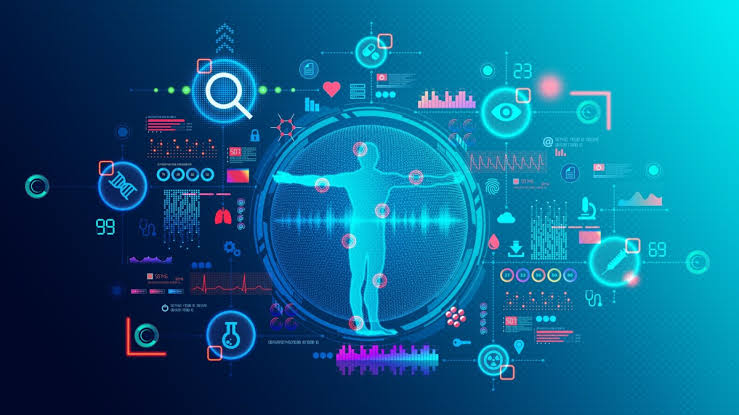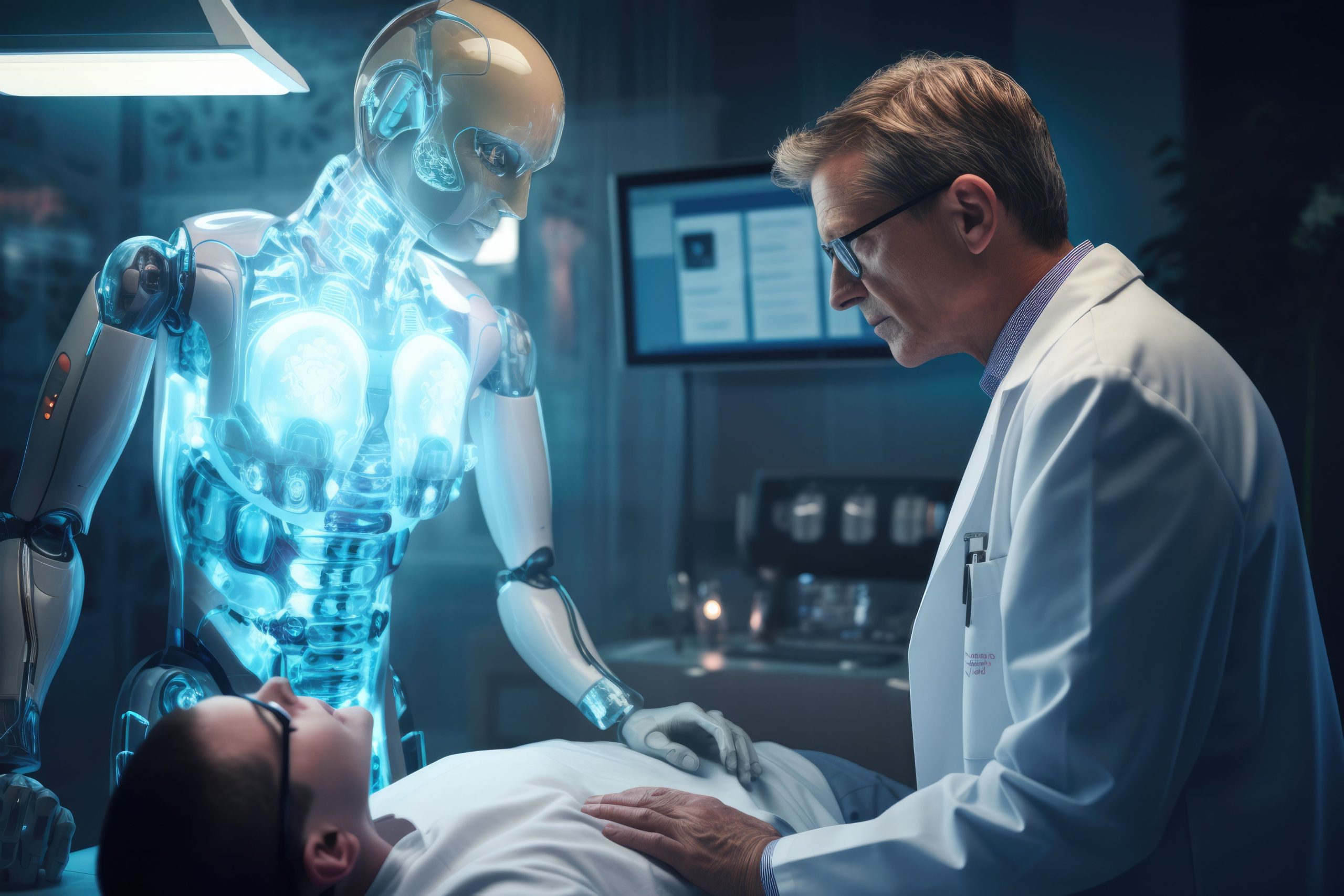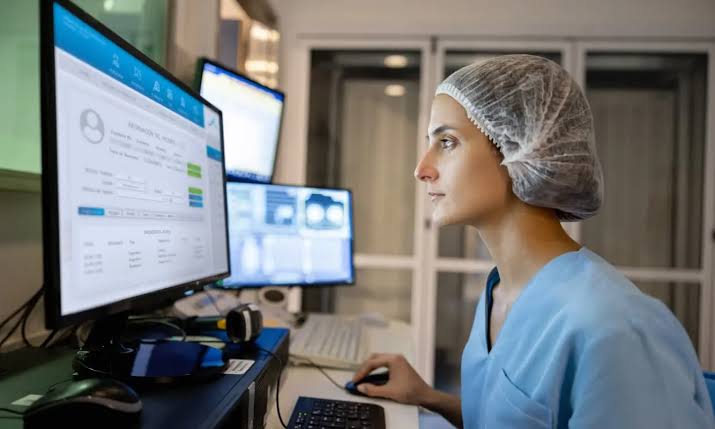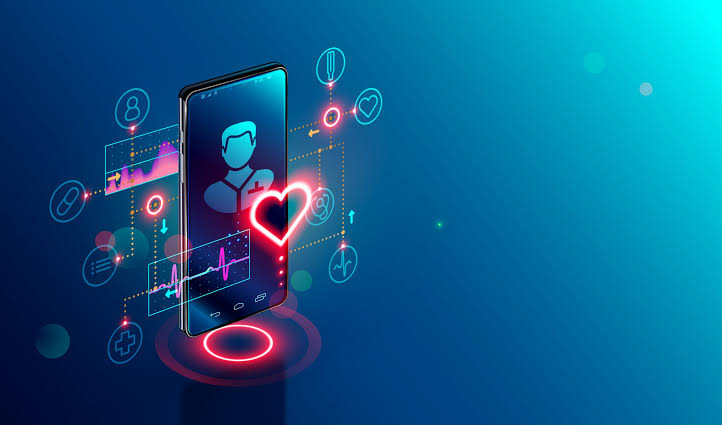

The integration of advanced technologies is transforming the healthcare industry, and one of the most impactful innovations is the combination of IoT (Internet of Things) with CRM systems. Understanding IoT in Healthcare CRM for Better Patient Monitoring helps healthcare providers deliver more efficient, proactive, and personalized care. By connecting smart devices with patient management systems, healthcare organizations can monitor health conditions in real time and improve overall outcomes.
What Is IoT in Healthcare CRM
IoT in healthcare refers to the use of connected devices such as wearable sensors, smart medical equipment, and remote monitoring tools that collect and transmit patient data. When integrated with a Healthcare CRM system, this data becomes centralized and actionable.
Healthcare providers can access real-time updates, track patient progress, and respond quickly to any changes. This integration creates a powerful system that enhances both patient monitoring and management.
Real-Time Patient Monitoring
One of the key benefits of IoT integration is real-time monitoring. Devices such as heart rate monitors, glucose sensors, and blood pressure trackers continuously collect patient data.
This information is automatically sent to the CRM system, allowing healthcare professionals to monitor patients without requiring frequent hospital visits. Real-time insights help in early detection of potential health issues and enable timely intervention.
Improved Chronic Disease Management
Patients with chronic conditions require continuous care and monitoring. IoT devices provide accurate and consistent data, which is stored and analyzed within the CRM system.
Healthcare providers can track trends, identify risks, and adjust treatment plans accordingly. This proactive approach improves disease management and reduces the chances of complications.
Enhanced Patient Engagement
IoT-enabled Healthcare CRM systems empower patients to take an active role in their health. Wearable devices and mobile apps allow patients to track their own health metrics and share data with healthcare providers.
This level of involvement increases awareness and encourages healthier habits. Patients feel more connected to their care providers, leading to better engagement and satisfaction.
Automated Alerts and Notifications
IoT devices can trigger alerts when patient data goes beyond normal ranges. These alerts are sent directly to healthcare providers through the CRM system.
For example, if a patient’s heart rate spikes or glucose levels drop, the system can notify medical staff immediately. This enables quick action and can prevent serious health complications.
Streamlined Data Management
Managing large volumes of patient data can be challenging. IoT integration simplifies this process by automatically collecting and organizing data within the CRM system.
Healthcare providers can access structured and up-to-date information without manual data entry. This reduces errors, saves time, and improves efficiency in patient management.
Remote Patient Care
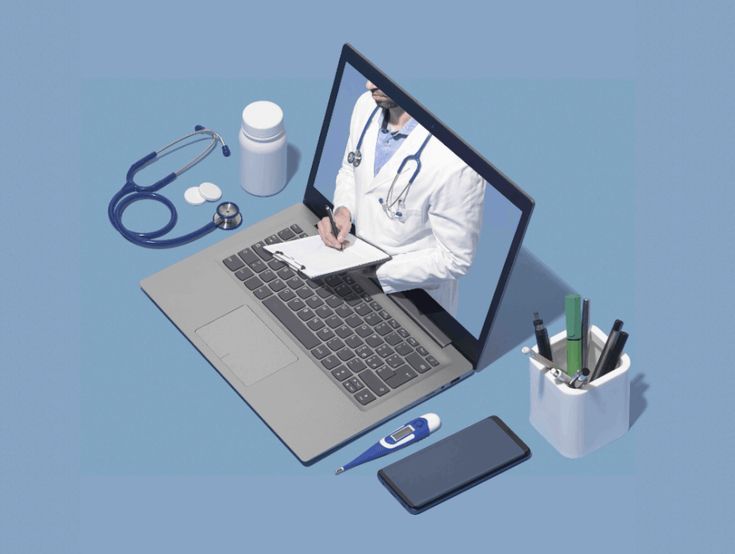
IoT in Healthcare CRM supports remote monitoring, which is especially beneficial for patients in rural or remote areas. Patients can receive quality care without frequent hospital visits.
Healthcare providers can track patient health from a distance and provide guidance when needed. This improves accessibility and ensures continuous care.
Data-Driven Decision Making
The data collected through IoT devices provides valuable insights into patient health. Healthcare CRM systems analyze this data to identify patterns and trends.
These insights help healthcare providers make informed decisions, optimize treatment plans, and improve patient outcomes. Data-driven care leads to more accurate and effective medical interventions.
Increased Operational Efficiency
By automating data collection and monitoring, IoT reduces the workload for healthcare staff. Administrative tasks are minimized, allowing professionals to focus more on patient care.
This improved efficiency benefits both healthcare providers and patients, creating a smoother and more effective system.
Better Preventive Care
IoT-enabled monitoring allows healthcare providers to focus on prevention rather than just treatment. Continuous tracking helps identify early warning signs of health issues.
Preventive care reduces hospital admissions and lowers healthcare costs while improving patient well-being. This proactive approach is a major advantage of integrating IoT with Healthcare CRM.
Challenges to Consider
While IoT integration offers many benefits, there are also challenges such as data security, device compatibility, and system integration. Ensuring proper encryption, compliance, and reliable connectivity is essential for successful implementation.
Healthcare organizations must invest in secure and scalable systems to fully leverage the potential of IoT in CRM.
Understanding IoT in Healthcare CRM for Better Patient Monitoring highlights how technology is revolutionizing healthcare delivery. By combining real-time data collection with centralized management systems, healthcare providers can offer more personalized, efficient, and proactive care.
From improving chronic disease management to enabling remote monitoring and preventive care, IoT integration enhances every aspect of patient management. As technology continues to evolve, adopting IoT-driven Healthcare CRM solutions will be essential for delivering high-quality, patient-centered healthcare services.