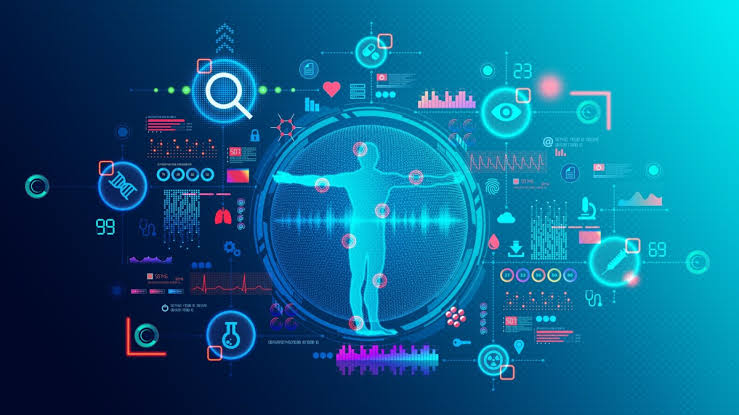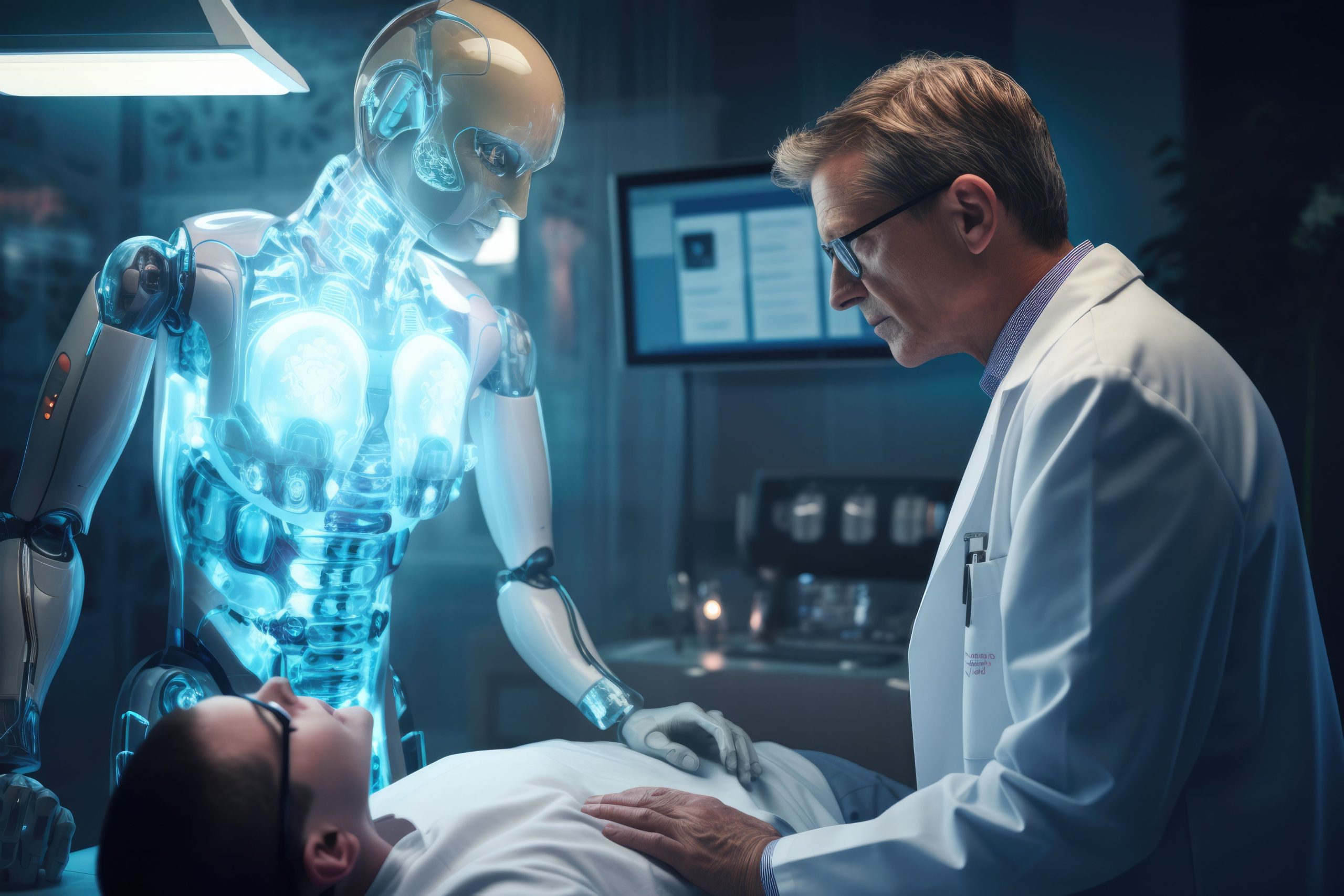

In today’s rapidly evolving healthcare landscape, managing patient data efficiently has become a top priority. Healthcare providers handle vast amounts of information daily, ranging from medical histories to billing records. Without a streamlined system, this data can become fragmented, leading to inefficiencies and errors. This is where the concept of centralized patient information in healthcare CRM becomes essential.
Centralized patient information refers to storing all patient-related data in a single, unified system. A healthcare CRM (Customer Relationship Management) platform designed for this purpose enables healthcare organizations to access, manage, and utilize patient data more effectively. The importance of this approach cannot be overstated, as it directly impacts patient care, operational efficiency, and overall healthcare outcomes.
Improved Patient Care and Outcomes
One of the most significant advantages of centralized patient information in healthcare CRM is the improvement in patient care. When all patient data is stored in one place, healthcare providers can quickly access comprehensive medical histories, lab results, prescriptions, and treatment plans.
This immediate access reduces the risk of medical errors and ensures that healthcare professionals make informed decisions. For instance, a doctor can easily review a patient’s allergies or previous treatments before prescribing medication, minimizing complications. Additionally, centralized data allows for better coordination among different departments, ensuring continuity of care.
Enhanced Data Accuracy and Consistency
Fragmented data systems often lead to duplication, inconsistencies, and outdated information. Centralized patient information eliminates these issues by maintaining a single source of truth. Every update made within the healthcare CRM is reflected across the system, ensuring that all stakeholders have access to accurate and up-to-date information.
This consistency is particularly important in healthcare, where even minor discrepancies can lead to serious consequences. By reducing errors and maintaining reliable data, healthcare organizations can improve both clinical and administrative processes.
Streamlined Communication and Collaboration
Effective communication among healthcare providers is crucial for delivering high-quality care. Centralized patient information in healthcare CRM facilitates seamless communication by providing a shared platform for all team members.
Doctors, nurses, administrative staff, and specialists can access the same patient records, making it easier to collaborate and coordinate treatment plans. This reduces delays and ensures that everyone involved in a patient’s care is on the same page. As a result, patients experience smoother transitions between different stages of treatment.
Increased Operational Efficiency
Healthcare organizations often struggle with time-consuming administrative tasks such as data entry, record retrieval, and appointment scheduling. A centralized healthcare CRM system automates many of these processes, significantly improving efficiency.
Staff members no longer need to search through multiple systems or paper records to find patient information. Instead, they can access everything from a single dashboard. This not only saves time but also allows healthcare professionals to focus more on patient care rather than administrative work.
Better Patient Engagement and Experience
Patient expectations have evolved, and individuals now seek personalized and responsive healthcare services. Centralized patient information enables healthcare providers to deliver a more tailored experience.
With access to detailed patient profiles, healthcare organizations can send personalized reminders, follow-up messages, and health recommendations. This level of engagement helps build stronger relationships between patients and providers. Moreover, patients appreciate faster service and fewer repetitive questions, which enhances their overall experience.
Improved Data Security and Compliance
Data security is a critical concern in healthcare, given the sensitive nature of patient information. Centralized healthcare CRM systems are designed with advanced security measures to protect data from unauthorized access and breaches.
By consolidating data into a single system, healthcare organizations can implement standardized security protocols and monitor access more effectively. Additionally, centralized systems make it easier to comply with healthcare regulations and data protection laws, reducing the risk of legal issues.
Data-Driven Decision Making
Another key benefit of centralized patient information in healthcare CRM is the ability to leverage data for strategic decision-making. With all patient data stored in one place, healthcare organizations can analyze trends, identify patterns, and gain valuable insights.
For example, administrators can track patient outcomes, monitor treatment effectiveness, and identify areas for improvement. This data-driven approach helps organizations optimize their services, reduce costs, and enhance overall performance.
Scalability and Future Readiness
As healthcare organizations grow, managing patient data becomes increasingly complex. Centralized healthcare CRM systems are designed to scale with the organization, accommodating growing data volumes and expanding operations.
This scalability ensures that healthcare providers can continue to deliver efficient and high-quality services, even as demand increases. Additionally, centralized systems are often compatible with emerging technologies, such as artificial intelligence and telemedicine, making them future-ready.
The importance of centralized patient information in healthcare CRM lies in its ability to transform how healthcare organizations manage and utilize data. By consolidating patient information into a single system, providers can improve care quality, enhance efficiency, and deliver a better patient experience.
From reducing errors and streamlining communication to enabling data-driven decisions, centralized healthcare CRM systems offer numerous benefits. As the healthcare industry continues to evolve, adopting such systems is no longer optional but essential for organizations aiming to stay competitive and provide exceptional care.
In a world where data plays a crucial role in decision-making, centralization is the key to unlocking the full potential of healthcare CRM.