

Healthcare is rapidly evolving, moving away from traditional provider-focused models toward a more patient-centered approach. In this transformation, Customer Relationship Management (CRM) systems are playing a key role. Exploring The Future of Healthcare: Patient-Centered Care Powered by CRM helps us understand how technology is improving patient experiences, strengthening engagement, and delivering better health outcomes.
Moving Toward a Patient-First Approach
In the past, healthcare systems were primarily structured around institutions and clinical processes. Today, patients expect personalized care, convenience, and clear communication. Patient-centered care places individuals at the core of every decision, ensuring their needs, preferences, and experiences are prioritized.
CRM technology supports this shift by enabling healthcare providers to better understand patients and deliver more responsive, tailored services.
Unified Patient Data for Smarter Decisions
A major advantage of CRM systems is their ability to bring all patient information into one centralized platform. This includes medical records, appointment history, communication logs, and patient preferences.
With a complete view of each patient, healthcare professionals can make informed decisions, reduce duplication of services, and provide more accurate and efficient care.
Delivering Personalized Patient Experiences
Personalization is essential in modern healthcare. CRM platforms analyze patient data to create customized communication and care strategies.
For instance, patients can receive targeted health reminders, follow-ups, and educational content based on their specific conditions or lifestyle. This approach not only improves satisfaction but also increases adherence to treatment plans.
Strengthening Communication Channels
Clear and consistent communication is vital for effective healthcare delivery. CRM systems enhance communication by offering multiple touchpoints such as emails, text messages, mobile apps, and patient portals.
Automated notifications for appointments, medication reminders, and health updates keep patients informed. At the same time, two-way communication tools allow patients to ask questions and stay actively involved in their care.
Enabling Preventive and Proactive Care
Modern healthcare is increasingly focused on prevention rather than reaction. CRM systems make it easier to identify high-risk patients and intervene early.
By analyzing trends and patient data, healthcare providers can launch targeted campaigns for screenings, vaccinations, and lifestyle improvements. This proactive approach reduces long-term health risks and improves overall community health.
Increasing Efficiency in Healthcare Operations
Beyond patient care, CRM systems also streamline administrative processes. Tasks such as scheduling, patient follow-ups, and data management can be automated, saving time and reducing manual errors.
This improved efficiency allows healthcare staff to dedicate more time to patient interaction and care delivery, ultimately enhancing the overall quality of service.
Enhancing Collaboration Across Care Teams
Effective patient care often involves collaboration among multiple healthcare professionals. CRM platforms provide a shared system where doctors, nurses, and administrative teams can access and update patient information.
This ensures consistent communication, reduces misunderstandings, and improves coordination across all stages of treatment.
Ensuring Privacy and Data Protection
With the growing use of digital tools, safeguarding patient data is more important than ever. CRM systems are designed with advanced security features such as encryption, secure access controls, and compliance with healthcare regulations.
Protecting sensitive information builds trust and encourages patients to engage more confidently with digital healthcare solutions.
Empowering Patients with Digital Access
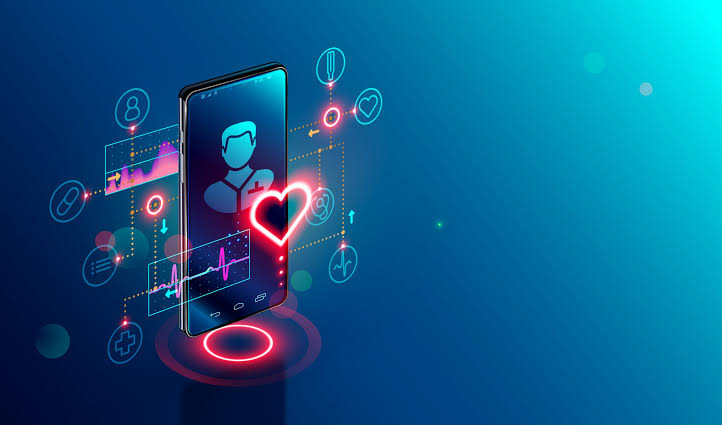
Today’s patients want greater control over their healthcare journey. CRM-powered platforms, including patient portals and mobile applications, allow individuals to access their records, schedule appointments, and communicate with providers easily.
This accessibility promotes transparency and empowers patients to take an active role in managing their health.
Supporting Innovation in Digital Healthcare
As healthcare technology continues to advance, CRM systems are becoming more powerful. Integration with artificial intelligence, wearable devices, and telehealth services is further enhancing patient-centered care.
To support these innovations, strong website design and web development practices are essential. They ensure that healthcare platforms remain user-friendly, secure, and capable of delivering seamless digital experiences.
Conclusion
In summary, The Future of Healthcare: Patient-Centered Care Powered by CRM reflects a major shift in how healthcare services are delivered. CRM systems enable personalized care, improve communication, and support proactive health management.
As the healthcare industry continues to embrace digital transformation, patient-centered care will become the norm. By leveraging CRM technology, healthcare providers can build stronger relationships, improve outcomes, and create a more efficient and responsive healthcare system for the future.