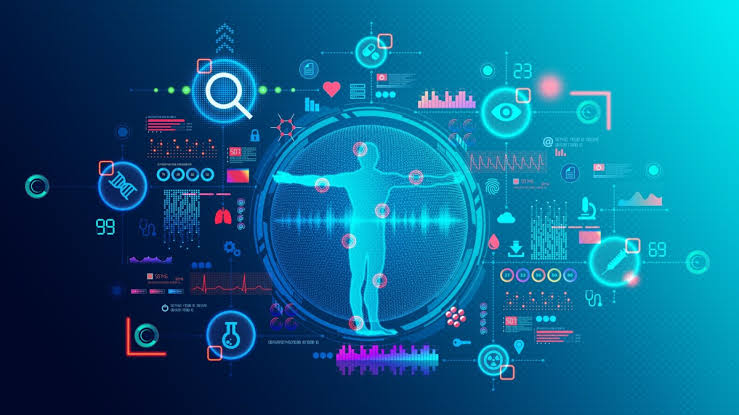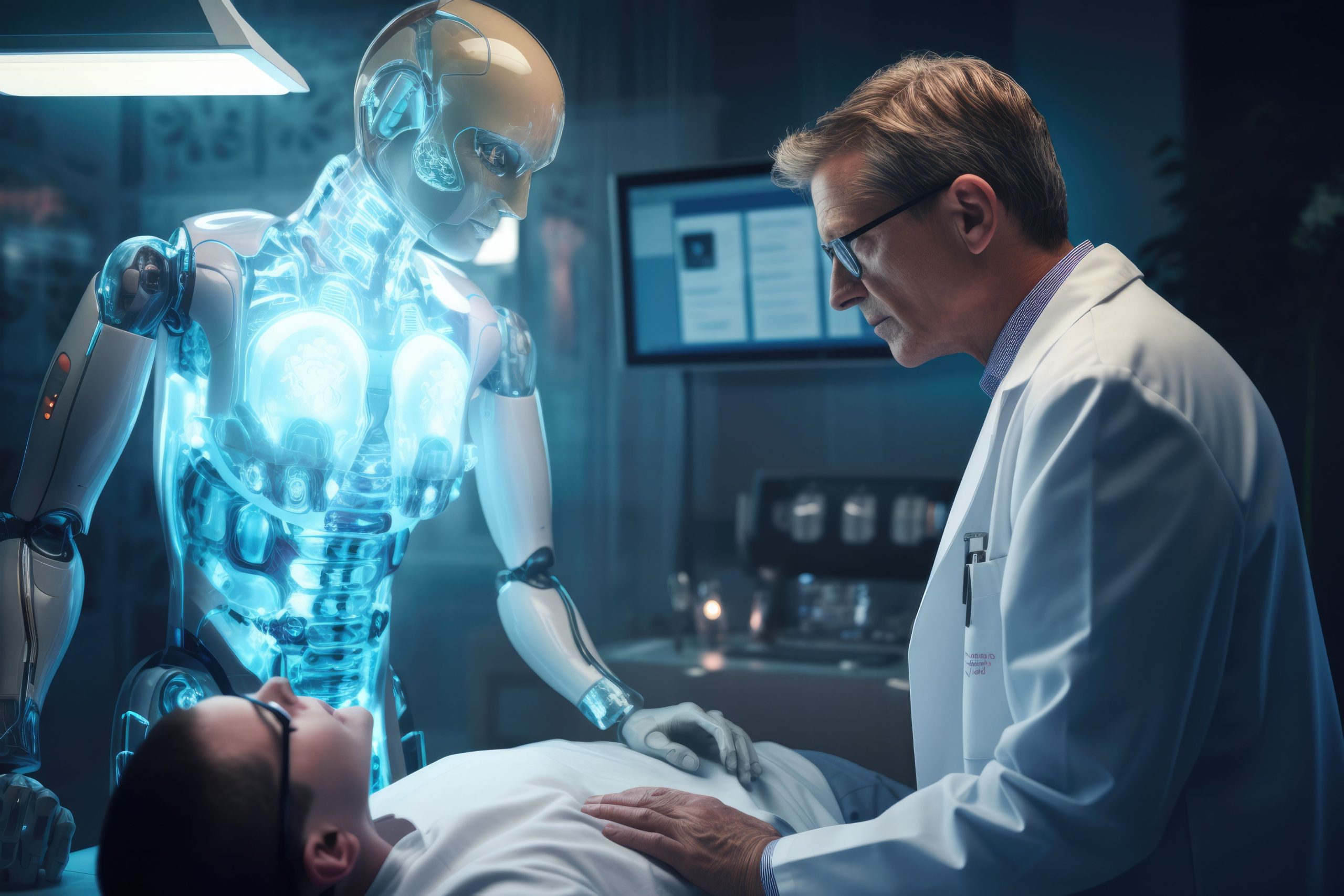

The healthcare industry is rapidly evolving toward more patient-centered models, where individual needs, preferences, and medical histories guide treatment and care. At the heart of this transformation lies Customer Relationship Management (CRM) technology. Understanding the future of personalized healthcare with CRM is essential for providers aiming to deliver smarter, more efficient, and highly customized care experiences.
CRM systems are no longer limited to administrative functions. They are becoming intelligent platforms that integrate patient data, advanced analytics, and communication tools to create truly personalized healthcare journeys.
What Is Personalized Healthcare?
Personalized healthcare focuses on tailoring medical treatment and services to each individual patient. Instead of a one-size-fits-all approach, it considers factors such as medical history, lifestyle, behavior, and even genetic information.
CRM systems play a critical role in enabling this approach by collecting, organizing, and analyzing patient data to support informed decision-making.
How CRM Enables Personalization
Centralized Patient Data
CRM systems bring together data from multiple sources, including medical records, appointment history, and communication logs. This unified view allows healthcare providers to understand each patient more comprehensively.
Segmentation and Targeting
Patients can be grouped based on conditions, demographics, or behavior. This helps healthcare providers deliver targeted communication and services.
Automated Communication
CRM platforms enable automated reminders, follow-ups, and health tips tailored to individual needs, improving engagement and adherence to treatment plans.
Role of Data and Analytics
Data is the backbone of personalized healthcare, and CRM systems are designed to make the most of it.
Predictive Analytics
Advanced CRM tools use predictive models to identify potential health risks and recommend preventive measures. This proactive approach can significantly improve patient outcomes.
Real-Time Insights
Healthcare providers can access real-time data to make quicker and more accurate decisions.
Performance Tracking
CRM systems help track treatment effectiveness and patient progress, enabling continuous improvement in care delivery.
Integration with Emerging Technologies
The future of personalized healthcare with CRM is closely tied to other technological advancements.
Artificial Intelligence
AI enhances CRM capabilities by analyzing large datasets, identifying patterns, and providing actionable insights. It can also power chatbots and virtual assistants for patient support.
Internet of Things (IoT)
Wearable devices and remote monitoring tools generate valuable health data that can be integrated into CRM systems for continuous tracking.
Telemedicine
CRM platforms support virtual consultations by managing appointments, storing records, and facilitating communication between patients and providers.
Enhancing Patient Engagement
Personalization goes beyond treatment—it also involves how patients interact with healthcare providers.
Omnichannel Communication
Patients can connect through various channels such as mobile apps, email, and chat, creating a seamless experience.
Patient Portals
CRM-powered portals allow patients to access their records, schedule appointments, and communicate with providers.
Education and Awareness
Personalized health content and recommendations help patients make informed decisions about their well-being.
Benefits of Personalized Healthcare with CRM
Improved Patient Outcomes
Tailored treatments and proactive care lead to better health results.
Higher Patient Satisfaction
Personalized interactions make patients feel valued and understood.
Increased Efficiency
Automation and data integration streamline workflows and reduce administrative burden.
Better Resource Utilization
Healthcare providers can allocate resources more effectively based on patient needs.
Challenges to Overcome
Despite its potential, implementing personalized healthcare with CRM comes with challenges.
Data Privacy and Security
Protecting sensitive patient information is critical. Strong security measures and compliance with regulations are essential.
Integration Complexity
Combining CRM with existing healthcare systems and technologies can be complex.
Adoption and Training
Healthcare professionals need proper training to use CRM systems effectively.
Cost Considerations
Initial investment in CRM technology and infrastructure can be significant.
Future Trends in Personalized Healthcare CRM
Hyper-Personalization
Future CRM systems will use advanced analytics and AI to deliver even more precise and individualized care.
Voice and Conversational Interfaces
Voice-enabled systems and chatbots will make interactions more natural and accessible.
Cloud-Based CRM Solutions
Cloud technology will provide scalability, flexibility, and remote access to healthcare data.
Interoperability and Data Sharing
Improved integration between systems will enable seamless data exchange across healthcare providers.
The Role of Healthcare Providers
To fully leverage CRM for personalized healthcare, providers must adopt a patient-centric approach.
Focus on Patient Experience
Every interaction should be designed to meet patient needs and expectations.
Invest in Technology
Adopting advanced CRM systems and integrating them with other technologies is crucial.
Continuous Improvement
Regular evaluation and updates ensure that CRM systems remain effective and relevant.
Conclusion
The future of personalized healthcare with CRM is transforming the way medical services are delivered. By combining data, technology, and patient-focused strategies, CRM systems enable healthcare providers to offer more precise, efficient, and engaging care.
As advancements in AI, IoT, and digital health continue to grow, CRM will play an even greater role in shaping personalized healthcare. Embracing this technology is not just an option—it is a necessity for building smarter, more responsive healthcare systems.