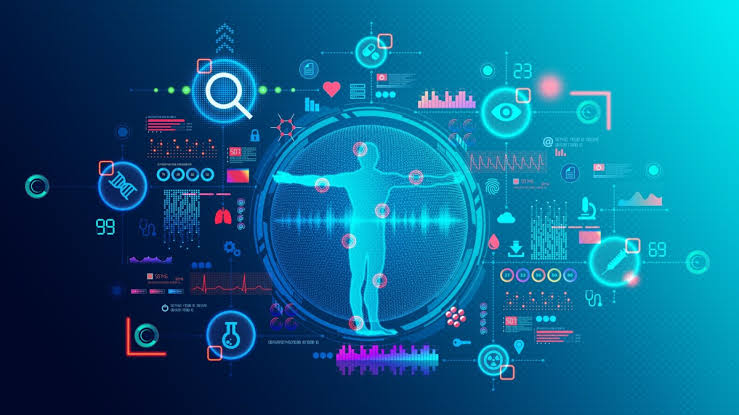

The healthcare industry is undergoing a significant shift toward digital transformation, driven by the need for improved patient care, operational efficiency, and data management. One of the most influential technologies enabling this change is Customer Relationship Management (CRM). Understanding the role of CRM in healthcare digital transformation is essential for organizations aiming to modernize their services and deliver better patient experiences.
CRM systems are no longer limited to managing contacts or administrative tasks. In healthcare, they act as powerful platforms that integrate data, streamline workflows, and enhance communication between patients and providers.
What Is Digital Transformation in Healthcare?
Digital transformation in healthcare refers to the adoption of modern technologies to improve the delivery of medical services. This includes electronic health records, telemedicine, mobile health apps, and data analytics.
CRM systems play a central role in connecting these technologies, ensuring seamless communication and efficient data management.
Centralizing Patient Data
One of the primary roles of CRM in healthcare is to centralize patient information.
Unified Patient Profiles
CRM systems collect data from multiple sources, including medical records, appointments, and communication history. This creates a comprehensive view of each patient.
Improved Accessibility
Healthcare providers can access patient data quickly, enabling faster and more informed decision-making.
Reduced Errors
Centralized data minimizes duplication and inconsistencies, improving accuracy and reliability.
Enhancing Patient Experience
Patient experience is a key focus of digital transformation, and CRM systems contribute significantly in this area.
Personalized Communication
CRM platforms enable tailored communication based on patient preferences and medical history.
Appointment Management
Automated scheduling, reminders, and follow-ups improve convenience and reduce missed appointments.
Omnichannel Engagement
Patients can interact with healthcare providers through various channels, including phone, email, chat, and mobile apps.
Streamlining Healthcare Operations
Efficiency is critical in healthcare, and CRM systems help optimize workflows.
Automation of Routine Tasks
Administrative tasks such as data entry, billing, and follow-ups can be automated, saving time and resources.
Workflow Optimization
CRM systems ensure that processes are streamlined and coordinated across departments.
Resource Management
Healthcare providers can allocate staff and resources more effectively based on data insights.
Enabling Data-Driven Decision Making
Data is at the core of digital transformation, and CRM systems provide valuable insights.
Analytics and Reporting
CRM tools analyze patient data to identify trends, measure performance, and improve services.
Predictive Analytics
Advanced CRM systems can predict patient needs and potential health risks, enabling proactive care.
Performance Monitoring
Healthcare organizations can track key performance indicators to ensure continuous improvement.
Supporting Telemedicine and Remote Care
The rise of telemedicine has made CRM systems even more important.
Integration with Telehealth Platforms
CRM systems can integrate with telemedicine tools to manage virtual consultations and patient interactions.
Remote Monitoring
Data from wearable devices and remote monitoring tools can be stored and analyzed within CRM platforms.
Improved Accessibility
Patients can access healthcare services from anywhere, improving convenience and reach.
Strengthening Patient Relationships
Building strong relationships with patients is a key aspect of healthcare.
Patient Retention
CRM systems help maintain ongoing communication, encouraging long-term engagement.
Feedback and Satisfaction
Collecting and analyzing patient feedback allows healthcare providers to improve their services.
Trust and Transparency
Consistent and personalized interactions build trust between patients and providers.
Ensuring Data Security and Compliance
Healthcare data is highly sensitive, making security a top priority.
Data Protection
CRM systems implement advanced security measures to safeguard patient information.
Regulatory Compliance
Healthcare CRM platforms are designed to comply with industry regulations and standards.
Access Control
Role-based access ensures that only authorized personnel can access sensitive data.
Challenges in CRM Implementation
While CRM systems offer numerous benefits, there are challenges to consider.
Integration Complexity
Integrating CRM with existing healthcare systems can be complex.
Training Requirements
Healthcare staff need proper training to use CRM systems effectively.
Initial Investment
Implementing a CRM system requires financial investment and resources.
Future of CRM in Healthcare Digital Transformation
The future of CRM in healthcare is promising, with continuous advancements enhancing its capabilities.
AI-Powered CRM
Artificial intelligence will enable smarter automation, predictive insights, and personalized care.
Cloud-Based Solutions
Cloud CRM systems will provide scalability, flexibility, and remote access.
Interoperability
Improved integration between systems will enable seamless data exchange across healthcare providers.
Patient-Centric Innovation
CRM systems will continue to evolve to meet the growing demand for personalized and accessible healthcare.
Understanding the role of CRM in healthcare digital transformation highlights its importance in modernizing healthcare systems. By centralizing data, improving patient experience, and enabling data-driven decisions, CRM systems are transforming how healthcare services are delivered.
As digital transformation continues to evolve, CRM will remain a key driver of innovation, helping healthcare organizations create more efficient, secure, and patient-centered systems.