
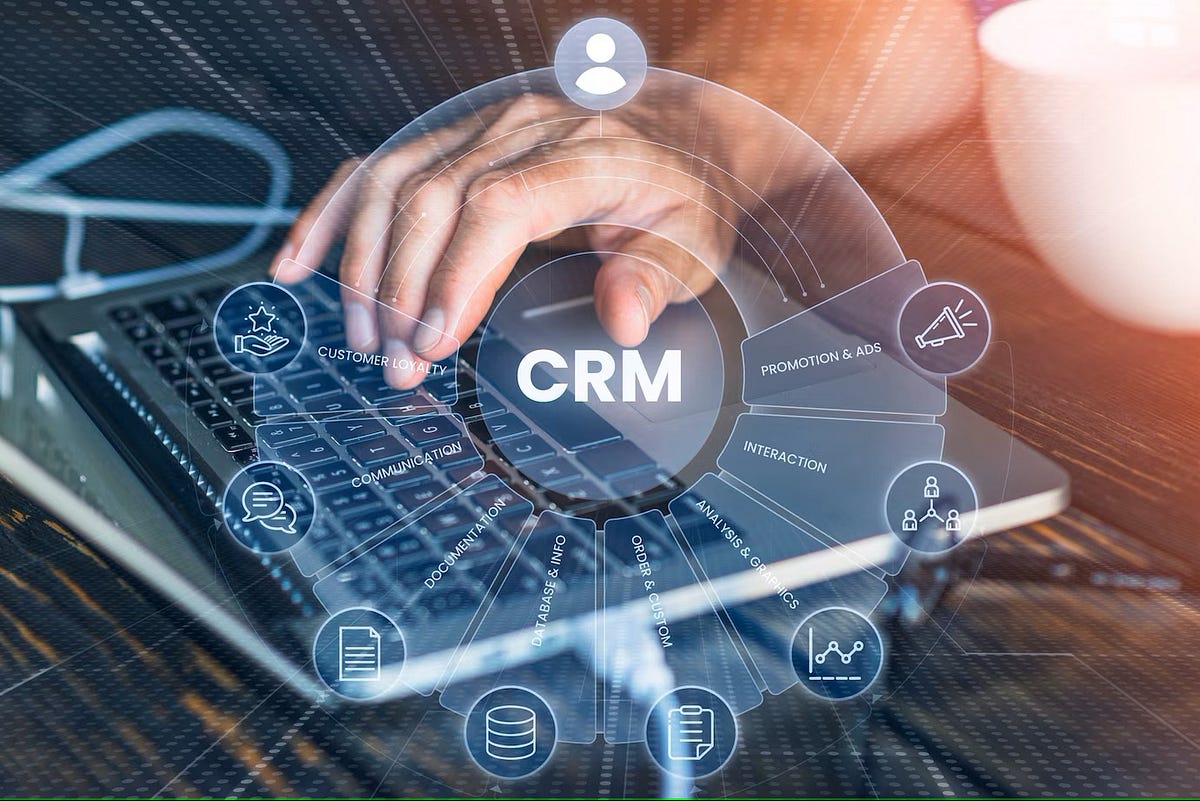
In today’s competitive healthcare landscape, marketing is no longer based on assumptions—it is driven by data. Understanding Why Healthcare Marketing Teams Rely on CRM Data is essential for organizations aiming to build meaningful patient relationships, improve communication, and deliver personalized experiences. Healthcare CRM (Customer Relationship Management) systems provide a centralized platform for collecting, analyzing, and utilizing patient data, making them a powerful tool for modern marketing strategies.
By leveraging CRM data effectively, healthcare marketing teams can create targeted campaigns, optimize outreach efforts, and enhance overall patient engagement.
Centralized Patient Information
One of the primary reasons behind Why Healthcare Marketing Teams Rely on CRM Data is the ability to access centralized patient information. CRM systems store data such as demographics, medical history (where permitted), appointment records, and communication preferences.
This unified view allows marketing teams to better understand their audience and tailor their strategies accordingly. Instead of working with fragmented data from multiple sources, teams can rely on a single, accurate database.
Personalized Marketing Campaigns
Personalization is a key driver of engagement in healthcare marketing. CRM data enables teams to create highly targeted campaigns based on patient behavior, preferences, and needs.
For example, patients can receive reminders for routine check-ups, follow-ups after treatments, or information about relevant healthcare services. This level of personalization improves patient satisfaction and increases the effectiveness of marketing efforts.
Understanding Why Healthcare Marketing Teams Rely on CRM Data highlights how tailored communication builds stronger connections with patients.
Improved Patient Segmentation
CRM systems allow marketing teams to segment patients into specific groups based on criteria such as age, location, health conditions, or engagement history.
Segmentation makes it easier to deliver relevant messages to the right audience at the right time. For instance, a campaign targeting preventive care can be directed toward specific age groups or risk categories.
This targeted approach increases conversion rates and ensures more efficient use of marketing resources.
Enhanced Communication Strategies
Effective communication is at the core of successful healthcare marketing. CRM data provides insights into how patients prefer to be contacted, whether through email, SMS, or other channels.
By understanding these preferences, marketing teams can deliver messages in a way that resonates with patients. Consistent and timely communication improves engagement and builds trust.
Data-Driven Decision Making
One of the most important aspects of Why Healthcare Marketing Teams Rely on CRM Data is the ability to make informed decisions. CRM systems provide analytics and reports that help teams evaluate campaign performance, patient engagement, and return on investment.
Instead of relying on guesswork, marketing strategies can be refined based on real data. This leads to more effective campaigns and better outcomes.
Increasing Patient Engagement
CRM data helps marketing teams understand patient behavior, including how often they interact with the organization, which services they use, and what content they engage with.
These insights enable teams to design strategies that keep patients engaged over time. Engaged patients are more likely to follow treatment plans, attend appointments, and remain loyal to the healthcare provider.
Supporting Omnichannel Marketing
Modern healthcare marketing requires a presence across multiple channels, including websites, social media, email, and mobile apps. CRM systems integrate data from these channels, providing a holistic view of patient interactions.
This integration allows marketing teams to create consistent and seamless experiences across all touchpoints. Patients can interact with the organization through different channels without losing continuity.
Ensuring Compliance and Data Security
Healthcare marketing must comply with strict data protection regulations such as the Health Insurance Portability and Accountability Act. CRM systems designed for healthcare include features that help maintain compliance, such as data encryption, access controls, and audit trails.
By relying on CRM data, marketing teams can ensure that their campaigns respect patient privacy and adhere to legal requirements. This builds trust and protects the organization from potential risks.
Measuring Campaign Performance
CRM systems provide detailed metrics that help marketing teams measure the success of their campaigns. This includes tracking open rates, click-through rates, conversions, and patient responses.
These insights allow teams to identify what works and what doesn’t, enabling continuous improvement. Understanding Why Healthcare Marketing Teams Rely on CRM Data emphasizes the importance of performance tracking in achieving marketing goals.
Automating Marketing Processes
Automation is another key benefit of using CRM data. Marketing teams can automate tasks such as sending appointment reminders, follow-up messages, and promotional campaigns.
Automation saves time, reduces manual effort, and ensures consistent communication. It also allows teams to focus on strategy and creativity rather than repetitive tasks.
Strengthening Patient Relationships
At its core, healthcare marketing is about building relationships. CRM data provides the insights needed to understand patient needs and deliver meaningful interactions.
By offering relevant information and timely communication, healthcare organizations can build trust and loyalty. Strong relationships lead to better patient retention and long-term success.
Challenges in Using CRM Data
While CRM data offers numerous benefits, it also comes with challenges. These include data accuracy issues, integration complexities, and maintaining compliance with regulations.
To overcome these challenges, organizations must implement proper data management practices, ensure system integration, and regularly update their processes.
The Future of CRM-Driven Healthcare Marketing
As technology continues to evolve, CRM systems will become even more advanced. Features such as artificial intelligence, predictive analytics, and real-time data processing will further enhance marketing capabilities.
Healthcare marketing teams that leverage these innovations will be better equipped to deliver personalized, efficient, and impactful campaigns.
Why Healthcare Marketing Teams Rely on CRM Data is a crucial topic for understanding modern healthcare marketing strategies. CRM data enables personalized communication, improved segmentation, and data-driven decision-making, all of which contribute to better patient engagement and marketing success.
By effectively utilizing CRM systems, healthcare organizations can create meaningful connections with patients, enhance their marketing efforts, and achieve sustainable growth in an increasingly competitive environment.