In today’s competitive healthcare environment, even small clinics are expected to deliver fast, personalized, and seamless patient experiences. Patients no longer compare clinics only on treatment quality—they also consider communication, convenience, and follow-up care. This is why Healthcare CRM software is becoming essential for small clinics. The Why Small Clinics Need Healthcare CRM Software discussion focuses on how these systems help clinics improve patient relationships, streamline operations, and grow sustainably.
Healthcare CRM (Customer Relationship Management) software is designed to manage patient interactions, automate communication, and improve overall service delivery. For small clinics with limited staff and resources, it acts as a powerful tool to stay organized and patient-focused.
Better Patient Management in Limited Resources
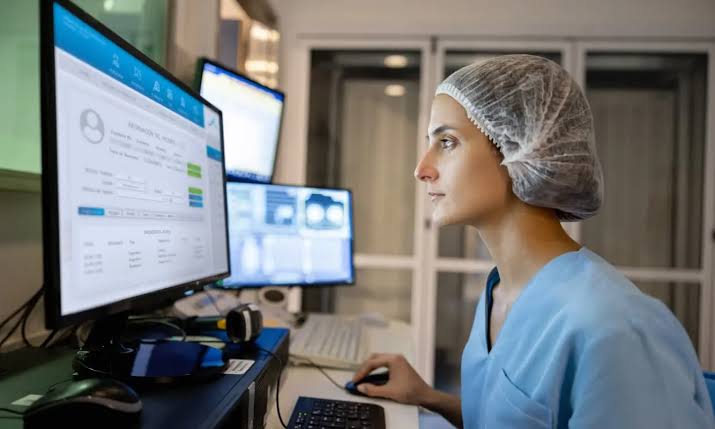
Small clinics often operate with limited staff, making it difficult to manage appointments, records, follow-ups, and communication manually. Healthcare CRM software helps solve this challenge by centralizing all patient information in one system.
It stores medical history, appointment details, contact information, and treatment records in a structured format. This reduces manual paperwork and ensures that clinic staff can quickly access important patient data. Efficient patient management is one of the most important reasons behind the Why Small Clinics Need Healthcare CRM Software.
Improved Appointment Scheduling and Reduced No-Shows
Missed appointments can significantly impact a small clinic’s revenue and efficiency. CRM systems automate appointment booking, reminders, and rescheduling, reducing the chances of no-shows.
Patients receive SMS, email, or WhatsApp reminders before their visit, helping them stay informed and punctual. This improves clinic workflow and ensures doctors can manage their time more effectively.
Stronger Patient Communication and Engagement
Communication plays a major role in patient satisfaction. Small clinics often struggle to maintain consistent communication with patients due to time constraints.
Healthcare CRM software enables automated and personalized communication. Patients can receive updates about appointments, test results, follow-ups, and health reminders. This consistent engagement builds trust and improves the overall patient experience, making communication a key factor in the Why Small Clinics Need Healthcare CRM Software discussion.
Enhanced Patient Retention and Loyalty
For small clinics, retaining existing patients is more cost-effective than acquiring new ones. CRM software helps clinics maintain long-term relationships through regular follow-ups and personalized care.
Patients who receive continuous attention and reminders are more likely to return for future consultations and recommend the clinic to others. This strengthens patient loyalty and supports long-term business growth.
Simplified Administrative Tasks
Administrative workload is often overwhelming for small clinic teams. Tasks like maintaining records, managing billing, tracking appointments, and handling patient queries can consume valuable time.
Healthcare CRM software automates many of these processes, reducing manual effort and minimizing errors. This allows healthcare professionals to focus more on patient care rather than administrative work.
Better Patient Experience Through Personalization
Personalized care is no longer limited to large hospitals. Small clinics can also offer tailored experiences using CRM systems.
By analyzing patient data, CRM software helps clinics send customized messages, reminders, and treatment follow-ups. Patients feel more valued when their healthcare provider understands their individual needs, which significantly improves satisfaction.
Improved Data Organization and Accessibility
In small clinics, patient data is often stored in physical files or disconnected digital systems. This can lead to confusion, delays, and data loss.
CRM software organizes all patient information in a centralized system that is easy to access and update. This improves efficiency and ensures that healthcare providers always have accurate information during consultations.
Cost-Effective Growth Strategy
Many small clinics assume that CRM software is only for large hospitals, but it is actually a cost-effective solution for growth. By improving efficiency, reducing missed appointments, and increasing patient retention, CRM systems directly contribute to higher revenue.
Instead of investing heavily in marketing, clinics can grow through better patient relationships and word-of-mouth referrals. This makes CRM adoption a smart long-term investment.
Better Coordination Among Staff
Even small clinics require coordination between receptionists, doctors, nurses, and billing staff. CRM systems improve internal communication by providing a shared platform for patient data and updates.
This reduces miscommunication, avoids duplicate work, and ensures smoother clinic operations.
Data-Driven Decision Making
Healthcare CRM software provides valuable insights into patient behavior, appointment trends, and service performance. Small clinics can use this data to make informed decisions about staffing, scheduling, and service improvements.
Understanding patient patterns helps clinics optimize their operations and deliver better care over time.
Conclusion
The Why Small Clinics Need Healthcare CRM Software discussion clearly shows that CRM systems are no longer optional—they are essential for modern healthcare practices. From improving patient communication and reducing no-shows to enhancing efficiency and boosting retention, CRM software transforms how small clinics operate.
By adopting Healthcare CRM software, small clinics can deliver better patient experiences, streamline daily operations, and achieve sustainable growth in a competitive healthcare environment.