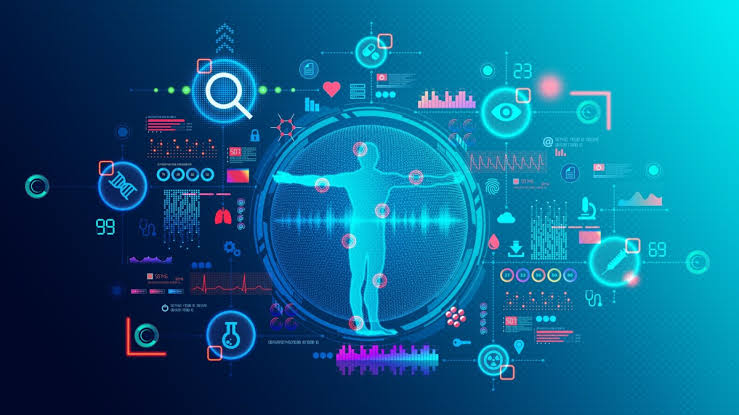
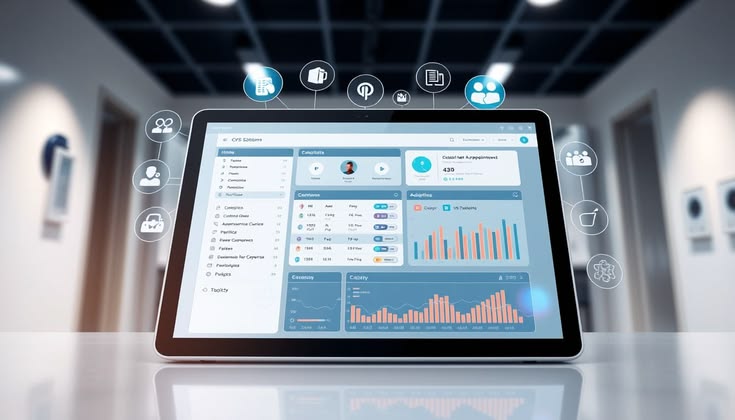
The healthcare industry is rapidly evolving with digital transformation at its core. One of the most significant drivers of this change is Customer Relationship Management (CRM) systems tailored for healthcare organizations. These platforms are no longer just tools for storing patient data; they have become intelligent ecosystems that enhance patient engagement, streamline workflows, and improve overall care delivery. Understanding the Top Healthcare CRM Trends to Watch This Year is essential for hospitals, clinics, and healthcare providers aiming to stay competitive and patient-focused.
1. Rise of AI-Powered Healthcare CRM Systems
Artificial Intelligence (AI) is revolutionizing how healthcare CRM systems operate. Modern platforms are increasingly using AI to analyze patient data, predict health risks, and automate administrative tasks. This shift allows healthcare providers to move from reactive care to proactive care.
AI-powered CRMs can identify patterns in patient behavior, suggest personalized treatment plans, and even predict appointment no-shows. This not only improves operational efficiency but also enhances patient satisfaction. As AI continues to evolve, healthcare CRM systems will become more intuitive and predictive, enabling smarter decision-making at every level.
2. Hyper-Personalization in Patient Engagement
One of the most impactful Top Healthcare CRM Trends to Watch This Year is hyper-personalization. Patients today expect healthcare experiences similar to what they receive in retail or banking—tailored, seamless, and responsive.
Healthcare CRMs now use advanced analytics to segment patients based on demographics, medical history, and behavior. This allows providers to send personalized appointment reminders, wellness tips, medication alerts, and follow-up messages. The result is improved patient engagement and better health outcomes.
Hyper-personalization also helps healthcare providers build stronger long-term relationships with patients, increasing loyalty and trust in an increasingly competitive industry.
3. Integration of Telemedicine with CRM Platforms
Telemedicine has become a permanent fixture in modern healthcare, and its integration with CRM systems is one of the most important developments in the industry. By combining telehealth capabilities with CRM tools, healthcare providers can manage virtual consultations more efficiently.
CRM-integrated telemedicine systems allow doctors to access patient records instantly during video consultations, schedule follow-ups, and update treatment plans in real time. This seamless integration reduces administrative burden and enhances continuity of care.
As remote healthcare continues to grow, CRM platforms that support telemedicine will play a critical role in delivering accessible and efficient healthcare services.
4. Cloud-Based Healthcare CRM Adoption
Cloud technology is transforming healthcare operations by providing scalable, secure, and cost-effective CRM solutions. Many healthcare organizations are shifting from on-premise systems to cloud-based platforms to improve accessibility and data management.
Cloud-based CRMs enable healthcare providers to access patient data from anywhere, ensuring better coordination among medical teams. They also offer enhanced data security, automatic updates, and disaster recovery options.
Leading enterprise CRM platforms such as Salesforce and Microsoft have expanded their healthcare solutions, making cloud-based CRM adoption more accessible and reliable for medical institutions worldwide.
5. Increased Focus on Data Security and Compliance
With the rise in digital healthcare data, security and compliance have become top priorities. Healthcare CRM systems handle sensitive patient information, making them prime targets for cyber threats.
One of the key Top Healthcare CRM Trends to Watch This Year is the implementation of advanced security measures such as end-to-end encryption, multi-factor authentication, and compliance with healthcare regulations like HIPAA and GDPR.
Healthcare organizations are also investing in secure cloud infrastructure and regular audits to ensure data integrity. As cyber threats become more sophisticated, CRM providers are continuously enhancing their security frameworks to protect patient information.
6. Omnichannel Communication Strategies
Patients today interact with healthcare providers through multiple channels—email, phone, chat, mobile apps, and social media. Healthcare CRM systems are evolving to support omnichannel communication, ensuring a consistent patient experience across all touchpoints.
Omnichannel CRM platforms allow healthcare providers to track patient interactions across channels and respond in a unified manner. This ensures that patients receive timely responses regardless of how they choose to communicate.
This trend is significantly improving patient satisfaction and reducing communication gaps between providers and patients.
7. Predictive Analytics for Preventive Healthcare
Predictive analytics is becoming a game-changer in healthcare CRM systems. By analyzing historical patient data, CRMs can forecast potential health risks and recommend preventive measures.
For example, a CRM system can identify patients at risk of chronic diseases and trigger early intervention programs. This shift from treatment-based care to preventive healthcare not only improves patient outcomes but also reduces healthcare costs.
Predictive analytics also helps healthcare organizations optimize resource allocation and improve operational efficiency.
8. Integration with IoT and Wearable Devices
The Internet of Things (IoT) is playing a crucial role in modern healthcare CRM systems. Wearable devices such as fitness trackers, smartwatches, and medical sensors generate real-time patient data that can be integrated into CRM platforms.
This integration allows healthcare providers to monitor patient health continuously and respond quickly to any abnormalities. It also enables personalized care plans based on real-time health data.
As IoT adoption increases, CRM systems will become central hubs for managing and analyzing continuous patient data streams.
9. Mobile-First Healthcare CRM Solutions
With the increasing use of smartphones, mobile-first CRM solutions are becoming essential in healthcare. These platforms allow doctors, nurses, and administrators to access patient information on the go.
Mobile CRM apps improve responsiveness, reduce delays in decision-making, and enhance coordination among healthcare teams. Patients also benefit from mobile access to appointment scheduling, reports, and communication with healthcare providers.
This trend reflects the growing demand for flexibility and convenience in healthcare management systems.
10. Enhanced Patient Self-Service Portals
Another significant trend is the rise of patient self-service portals integrated into CRM systems. These portals allow patients to book appointments, access medical records, pay bills, and communicate with healthcare providers independently.
Self-service features reduce administrative workload and empower patients to take control of their healthcare journey. This leads to higher satisfaction levels and improved engagement.
The Top Healthcare CRM Trends to Watch This Year highlight a clear shift toward smarter, more connected, and patient-centric healthcare systems. From AI-driven insights and predictive analytics to telemedicine integration and cloud adoption, CRM technology is reshaping the healthcare landscape.
Organizations that embrace these trends will not only improve operational efficiency but also deliver better patient experiences and outcomes. As healthcare continues to evolve, CRM systems will remain at the heart of digital transformation, driving innovation and improving the quality of care worldwide.