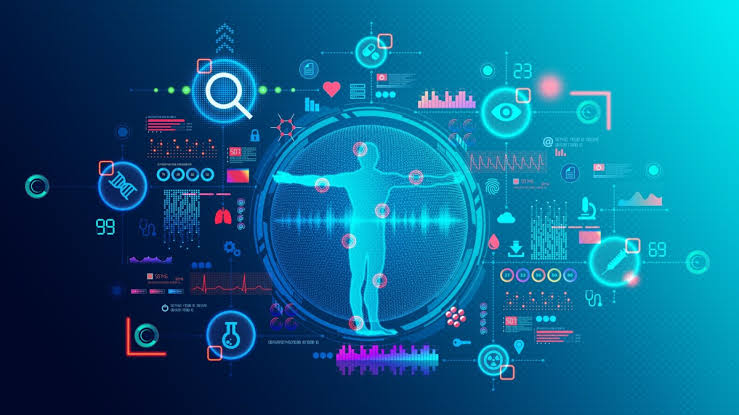


Digital healthcare is rapidly transforming how medical services are delivered, managed, and experienced. From online consultations to automated patient records, healthcare systems are becoming more technology-driven than ever. In this evolving ecosystem, one tool stands out as a backbone of efficiency and patient engagement: Healthcare CRM (Customer Relationship Management).
Understanding Why Healthcare CRM Is Essential for Digital Healthcare helps healthcare providers improve patient care, streamline operations, and build long-term relationships in a highly competitive environment.
1. Centralized Patient Information Management
One of the most important roles of Healthcare CRM in digital healthcare is centralizing patient data. Instead of scattered records across multiple systems, CRM platforms bring everything into one secure location.
Key advantages include:
- Unified patient medical history
- Easy access for healthcare professionals
- Reduced duplication of records
- Improved coordination across departments
This centralization ensures faster and more accurate decision-making in patient care.
2. Seamless Digital Patient Communication
Digital healthcare relies heavily on fast and efficient communication. Healthcare CRM systems enable real-time interaction between patients and providers.
Communication benefits include:
- Automated appointment reminders
- Digital consultation follow-ups
- SMS and email notifications
- Secure messaging channels
This improves responsiveness and ensures patients remain engaged throughout their treatment journey.
3. Automation of Healthcare Processes
Automation is a key reason Why Healthcare CRM Is Essential for Digital Healthcare. It reduces manual workload and improves efficiency.
Automated functions include:
- Appointment scheduling and reminders
- Follow-up notifications
- Prescription refill alerts
- Patient onboarding workflows
Automation allows healthcare professionals to focus more on treatment rather than administrative tasks.
4. Improved Patient Engagement and Experience
Patient engagement is a core pillar of digital healthcare success. CRM systems help maintain continuous interaction with patients beyond clinic visits.
Engagement improvements include:
- Personalized health updates
- Wellness reminders
- Preventive care alerts
- Educational content sharing
This creates a more connected and supportive healthcare experience for patients.
5. Data-Driven Healthcare Decisions
Healthcare CRM systems collect and analyze large volumes of patient data, enabling better decision-making.
Key insights include:
- Treatment success rates
- Patient behavior patterns
- Appointment trends
- Service performance metrics
These insights help healthcare providers optimize operations and improve outcomes.
6. Enhanced Coordination Among Healthcare Teams
Digital healthcare involves multiple stakeholders including doctors, nurses, technicians, and administrative staff. CRM systems ensure smooth collaboration among them.
Benefits include:
- Shared patient records in real time
- Reduced communication gaps
- Task assignment and tracking
- Coordinated treatment plans
This leads to more consistent and efficient patient care delivery.
7. Better Patient Retention and Loyalty
Retaining patients is just as important as acquiring new ones. Healthcare CRM plays a major role in building long-term relationships.
Retention strategies include:
- Follow-up care reminders
- Chronic disease management programs
- Personalized communication
- Patient satisfaction tracking
Strong relationships improve trust and long-term loyalty.
8. Integration with Digital Healthcare Tools
Modern healthcare systems rely on multiple digital tools, and CRM platforms integrate seamlessly with them.
Common integrations include:
- Telemedicine platforms
- Electronic Health Records (EHR)
- Billing and payment systems
- Mobile health applications
This integration creates a unified digital healthcare ecosystem.
9. Improved Efficiency and Reduced Costs
Healthcare CRM systems help reduce operational costs by improving efficiency across processes.
Cost-saving benefits:
- Reduced paperwork and manual tasks
- Fewer missed appointments
- Optimized staff workload
- Better resource management
This makes healthcare delivery more sustainable and scalable.
10. Stronger Security and Compliance
Data security is critical in digital healthcare. CRM platforms are designed with strict security standards to protect patient information.
Security features include:
- Encrypted data storage
- Role-based access control
- Compliance with healthcare regulations
- Secure cloud infrastructure
This ensures patient trust and data protection
11. Support for Telemedicine Growth
Telemedicine has become a key part of digital healthcare. CRM systems support this growth by managing remote patient interactions.
Telemedicine benefits include:
- Virtual appointment scheduling
- Remote follow-up tracking
- Digital prescription management
- Patient communication logs
This ensures continuity of care even without physical visits.
Understanding Why Healthcare CRM Is Essential for Digital Healthcare highlights its role as a foundational technology in modern medical systems. From centralized data management and automation to patient engagement and telemedicine support, CRM systems transform how healthcare is delivered and experienced.
As digital healthcare continues to expand, organizations that adopt CRM solutions gain a significant advantage in efficiency, patient satisfaction, and long-term growth.