Healthcare organizations face increasing pressure to deliver high-quality patient care while managing complex administrative tasks and growing patient expectations. From appointment scheduling and patient communication to care coordination and record management, healthcare teams handle a wide range of responsibilities every day. To meet these demands efficiently, many organizations are turning to Healthcare Customer Relationship Management (CRM) systems.
Understanding How Healthcare CRM Helps Healthcare Teams Work Efficiently can provide valuable insight into how technology is transforming modern healthcare operations. By streamlining workflows, improving communication, and enhancing patient management, Healthcare CRM systems enable healthcare professionals to focus more on patient care and less on administrative burdens.
What Is a Healthcare CRM?
A Healthcare CRM is a specialized software platform designed to manage patient interactions, communications, and operational processes within healthcare organizations. Unlike traditional CRM systems used in sales and marketing, healthcare CRMs are built specifically to support the unique needs of hospitals, clinics, medical centers, and healthcare providers.
These systems centralize patient information and facilitate collaboration among healthcare teams, creating a more organized and efficient work environment.
Why Efficiency Matters in Healthcare
Efficiency is critical in healthcare because it directly impacts both patient outcomes and organizational performance.
When healthcare teams work efficiently, they can:
- Deliver timely patient care
- Reduce administrative workload
- Improve patient satisfaction
- Minimize operational errors
- Enhance staff productivity
- Optimize resource utilization
Healthcare CRM systems help organizations achieve these goals by automating and simplifying many routine processes.
Centralizing Patient Information
One of the biggest challenges healthcare teams face is managing patient data across multiple systems and departments.
Healthcare CRM platforms provide a centralized database that stores:
- Patient demographics
- Appointment history
- Medical records
- Communication logs
- Treatment plans
- Follow-up information
With all relevant information accessible from a single platform, healthcare professionals can quickly retrieve the data they need without wasting time searching through multiple systems.
Improving Team Communication
Effective communication is essential for coordinated patient care.
Healthcare CRM systems help improve communication by providing a shared platform where healthcare providers, administrative staff, and support teams can access updated patient information.
Benefits include:
- Faster information sharing
- Improved collaboration
- Reduced communication gaps
- Better care coordination
When healthcare teams have access to accurate and current information, they can make more informed decisions and provide more effective care.
Automating Routine Administrative Tasks
Administrative responsibilities consume a significant portion of healthcare staff time.
Healthcare CRM systems automate many repetitive tasks, including:
- Appointment reminders
- Follow-up communications
- Patient registration
- Scheduling management
- Data entry processes
Automation reduces manual workload and allows healthcare professionals to focus on patient care rather than administrative duties.
Streamlining Appointment Management
Scheduling appointments can be a complex and time-consuming process.
Healthcare CRM systems simplify appointment management through:
- Automated scheduling tools
- Online booking options
- Appointment confirmations
- Reminder notifications
- Rescheduling support
These features help reduce scheduling conflicts, minimize missed appointments, and improve overall workflow efficiency.
Enhancing Patient Communication
Patients expect timely and convenient communication from healthcare providers.
Healthcare CRM platforms support communication through:
- SMS messaging
- Email notifications
- Patient portals
- Mobile applications
- Automated updates
Effective communication helps patients stay informed about appointments, treatments, test results, and follow-up care.
Improved communication also reduces the number of patient inquiries that staff must handle manually.
Supporting Care Coordination
Many patients receive care from multiple healthcare professionals.
Healthcare CRM systems improve care coordination by ensuring that all relevant providers have access to the same patient information.
This helps:
- Reduce duplicate procedures
- Improve treatment consistency
- Facilitate referrals
- Enhance patient safety
Better coordination leads to more efficient care delivery and improved patient outcomes.
Reducing Documentation Burdens
Healthcare professionals often spend considerable time documenting patient interactions and administrative activities.
CRM systems simplify documentation by:
- Automatically recording communications
- Maintaining digital records
- Organizing patient histories
- Tracking interactions across departments
Efficient documentation improves record accuracy while reducing administrative effort.
Improving Workflow Visibility
Healthcare managers need visibility into daily operations to identify bottlenecks and optimize performance.
Healthcare CRM systems provide dashboards and reporting tools that allow organizations to monitor:
- Appointment volumes
- Patient engagement
- Staff productivity
- Communication activities
- Operational performance
These insights help healthcare leaders make data-driven decisions and improve efficiency across the organization.
Enhancing Patient Retention
Maintaining long-term patient relationships is important for healthcare organizations.
Healthcare CRM systems support patient retention through:
- Personalized communication
- Preventive care reminders
- Follow-up scheduling
- Wellness program engagement
Regular communication helps patients remain connected to their healthcare providers and encourages ongoing care participation.
Supporting Telehealth Services
Telemedicine has become an important part of modern healthcare delivery.
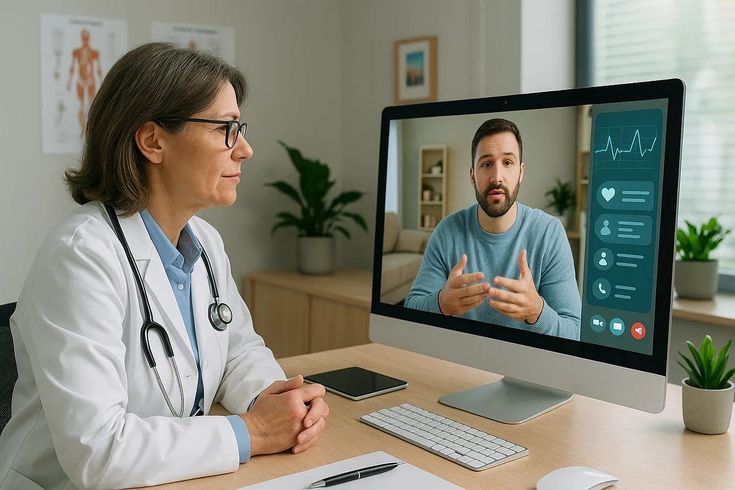
Healthcare CRM systems can integrate with telehealth platforms to support:
- Virtual appointment scheduling
- Patient communication
- Remote follow-ups
- Digital care management
Integration helps healthcare teams manage both in-person and virtual care more efficiently.
Strengthening Data Security
Healthcare organizations handle sensitive patient information that must be protected.
Healthcare CRM systems typically include security features such as:
- Data encryption
- User authentication
- Access controls
- Activity monitoring
- Compliance support
Strong security measures help protect patient privacy and ensure regulatory compliance.
Benefits for Healthcare Teams
Healthcare CRM systems provide numerous advantages that improve daily operations.
Key benefits include:
- Reduced administrative workload
- Faster access to patient information
- Improved communication
- Better care coordination
- Increased productivity
- Enhanced patient satisfaction
By simplifying complex processes, CRM systems help healthcare teams work more effectively and efficiently.
Future of Healthcare CRM
Healthcare CRM technology continues to evolve as digital healthcare expands.
Emerging innovations include:
- Artificial Intelligence (AI)
- Predictive analytics
- Automated patient engagement
- Personalized care recommendations
- Advanced workflow automation
These technologies will further improve efficiency and help healthcare organizations deliver better patient experiences.