

Patient interaction is one of the most important aspects of delivering quality healthcare. Effective communication, timely follow-ups, and personalized care help build trust while improving patient satisfaction and long-term health outcomes. As healthcare providers increasingly adopt digital technologies, Healthcare CRM Solutions for Better Patient Interaction have become essential tools for managing patient relationships and enhancing communication throughout the care journey.
A Healthcare Customer Relationship Management (CRM) system enables hospitals, clinics, and medical practices to organize patient information, automate communication, and provide personalized experiences. By streamlining administrative tasks and improving patient engagement, healthcare CRM solutions help providers deliver more efficient and patient-centered care.
What Is a Healthcare CRM?
A Healthcare CRM is a specialized software platform designed to manage patient interactions, communication, appointments, and engagement. Unlike traditional CRM systems used in other industries, healthcare CRMs are tailored to meet the unique needs of medical organizations while supporting secure handling of patient information.
Healthcare CRM systems help providers:
- Manage patient records
- Improve communication
- Schedule appointments
- Automate follow-ups
- Track patient engagement
- Support healthcare marketing initiatives
These features enable healthcare organizations to provide a smoother and more personalized patient experience.
Why Patient Interaction Matters
Strong patient interaction contributes to better healthcare outcomes and higher patient satisfaction. Patients who feel informed and supported are more likely to follow treatment plans, attend appointments, and maintain long-term relationships with their healthcare providers.
Benefits of effective patient interaction include:
- Improved patient trust
- Higher appointment attendance
- Better treatment adherence
- Increased patient satisfaction
- Stronger provider-patient relationships
- Enhanced healthcare experiences
Healthcare CRM solutions play a key role in making these interactions more consistent and meaningful.
Centralized Patient Information
One of the primary advantages of Healthcare CRM Solutions for Better Patient Interaction is the ability to store patient information in a centralized system.
Healthcare providers can access:
- Contact information
- Appointment history
- Communication records
- Treatment summaries
- Patient preferences
- Follow-up schedules
Having all relevant information in one place allows staff to respond more efficiently and provide personalized care.
Personalized Communication
Every patient has different healthcare needs and communication preferences. Healthcare CRM systems enable providers to deliver relevant information based on individual patient profiles.
Personalized communication may include:
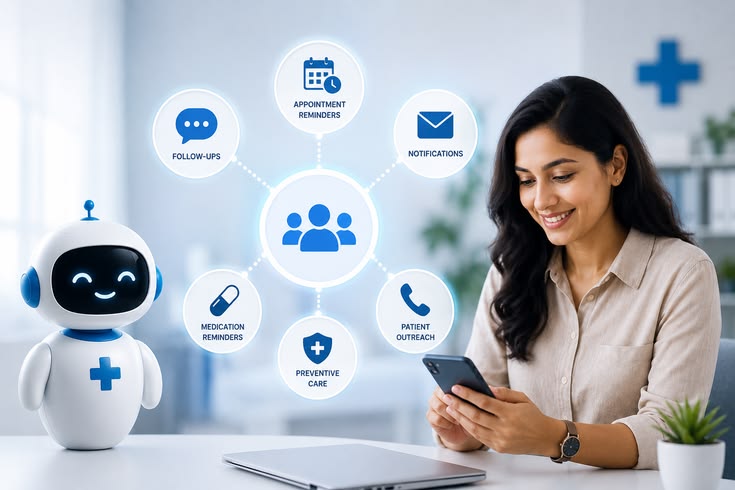
- Appointment reminders
- Follow-up messages
- Preventive care notifications
- Wellness tips
- Health education resources
- Screening recommendations
Tailored communication helps patients feel valued while encouraging active participation in their healthcare.
Automated Appointment Management
Missed appointments can disrupt patient care and reduce operational efficiency.
Healthcare CRM solutions automate appointment-related communication through:
- Appointment confirmations
- SMS reminders
- Email notifications
- Rescheduling options
- Follow-up reminders
Automation reduces administrative workload while improving attendance rates.
Better Patient Engagement
Patient engagement is essential for promoting preventive care and encouraging healthy behaviors.
Healthcare CRM platforms improve engagement by providing:
- Educational content
- Wellness campaigns
- Health newsletters
- Personalized recommendations
- Preventive care reminders
Engaged patients are more likely to participate in ongoing healthcare programs and maintain regular medical visits.
Efficient Follow-Up Management
Following up with patients after consultations or treatments helps ensure continuity of care.
Healthcare CRM systems support follow-ups by:
- Scheduling automated reminders
- Tracking recovery progress
- Sending medication reminders
- Monitoring chronic care plans
- Encouraging routine checkups
Consistent follow-up strengthens patient relationships and supports better health outcomes.
Multi-Channel Communication
Patients prefer different methods of communication depending on their convenience.
Healthcare CRM solutions often support:
- SMS
- Phone calls
- Patient portals
- Mobile notifications
Using multiple communication channels improves accessibility and ensures important healthcare information reaches patients promptly.
Improved Patient Support
Healthcare CRM systems help patient support teams respond more efficiently to inquiries and service requests.
Support features include:
- Inquiry tracking
- Communication history
- Ticket management
- Quick access to patient records
- Coordinated staff responses
This enables faster issue resolution and a better overall patient experience.
Campaign and Outreach Management
Healthcare organizations frequently conduct awareness campaigns and preventive health initiatives.
CRM platforms help manage campaigns such as:
- Vaccination reminders
- Health screening programs
- Wellness events
- Seasonal healthcare alerts
- Chronic disease education
Targeted outreach improves patient participation and strengthens community engagement.
Data Analytics and Reporting
Healthcare CRM solutions provide valuable insights into patient interactions and communication performance.
Useful metrics include:
- Appointment attendance
- Response rates
- Patient engagement
- Follow-up completion
- Campaign performance
- Patient satisfaction trends
These reports help organizations continuously improve their patient communication strategies.
Enhanced Operational Efficiency
Administrative tasks can consume valuable staff time if managed manually.
Healthcare CRM solutions improve efficiency by:
- Automating routine communication
- Organizing patient information
- Streamlining appointment scheduling
- Reducing paperwork
- Improving collaboration among departments
This allows healthcare professionals to focus more on delivering quality patient care.
Best Practices for Using Healthcare CRM
To maximize the benefits of Healthcare CRM solutions, healthcare providers should:
- Keep patient information updated
- Personalize communication whenever possible
- Automate routine workflows
- Monitor patient engagement metrics
- Train staff regularly
- Protect patient privacy and data security
- Continuously evaluate CRM performance
Following these practices helps create stronger patient relationships and more efficient healthcare operations.
Future Trends in Healthcare CRM
Healthcare CRM technology continues to evolve with advances in digital healthcare.
Emerging trends include:
- Artificial Intelligence (AI)
- Predictive analytics
- Personalized patient journeys
- Omnichannel communication
- Intelligent automation
- Enhanced patient self-service portals
These innovations will further improve patient interaction while supporting more personalized healthcare experiences.
Healthcare CRM Solutions for Better Patient Interaction empower healthcare providers to strengthen patient relationships through organized communication, personalized engagement, and automated workflows. From appointment reminders and follow-up management to patient education and campaign tracking, CRM systems simplify daily operations while enhancing the overall patient experience.
By implementing a modern Healthcare CRM solution, hospitals and medical practices can improve communication, increase patient satisfaction, streamline administrative processes, and support better healthcare outcomes through meaningful and consistent patient interactions.