

Patient engagement has become one of the most important aspects of modern healthcare. Engaged patients are more likely to follow treatment plans, attend scheduled appointments, communicate openly with healthcare providers, and take an active role in managing their health. As healthcare organizations strive to deliver more personalized and efficient care, Customer Relationship Management (CRM) systems have emerged as valuable tools for improving patient relationships. Healthcare CRM and the Importance of Patient Engagement go hand in hand by enabling providers to build stronger connections, improve communication, and create better healthcare experiences.
This blog explores how Healthcare CRM supports patient engagement, its key features, benefits, implementation strategies, and future trends shaping patient-centered care.
What Is a Healthcare CRM?
A Healthcare Customer Relationship Management (CRM) system is a specialized platform designed to manage patient interactions, communication, appointment scheduling, marketing activities, and administrative workflows. Unlike traditional CRM software, Healthcare CRM is tailored to the needs of hospitals, clinics, diagnostic centers, and other healthcare organizations.
It centralizes patient information and automates communication, making it easier for healthcare providers to deliver timely, personalized, and coordinated care.
What Is Patient Engagement?
Patient engagement refers to the active involvement of patients in their own healthcare decisions and treatment plans. Engaged patients understand their health conditions, communicate regularly with healthcare providers, and follow medical recommendations more consistently.
Patient engagement includes:
- Scheduling regular appointments
- Following treatment plans
- Taking prescribed medications
- Participating in preventive care
- Accessing health education
- Communicating with healthcare providers
- Providing feedback after treatment
A higher level of engagement often leads to better health outcomes and greater patient satisfaction.
Why Patient Engagement Matters
Strong patient engagement benefits both healthcare providers and patients. It encourages better communication, strengthens trust, and supports long-term relationships.
Benefits include:
- Improved treatment adherence
- Better patient satisfaction
- Reduced missed appointments
- Enhanced preventive care
- Increased patient loyalty
- Improved healthcare outcomes
- Better communication
- More efficient healthcare delivery
Healthcare CRM helps organizations achieve these goals through personalized and automated engagement strategies.
How Healthcare CRM Enhances Patient Engagement
Healthcare CRM provides a centralized platform for managing patient relationships throughout the entire healthcare journey.
It enables healthcare providers to:
- Communicate consistently
- Personalize interactions
- Automate reminders
- Track patient history
- Monitor engagement
- Deliver educational content
These capabilities create a more connected and patient-focused healthcare experience.
Centralized Patient Information
Healthcare CRM stores patient information in one secure location, allowing healthcare professionals to access important details quickly.
Centralized information includes:
- Contact details
- Appointment history
- Communication records
- Treatment plans
- Billing information
- Patient preferences
- Follow-up schedules
Easy access to accurate information supports more personalized patient interactions.
Personalized Patient Communication
Patients appreciate communication that is relevant to their individual healthcare needs.
Healthcare CRM enables providers to send:
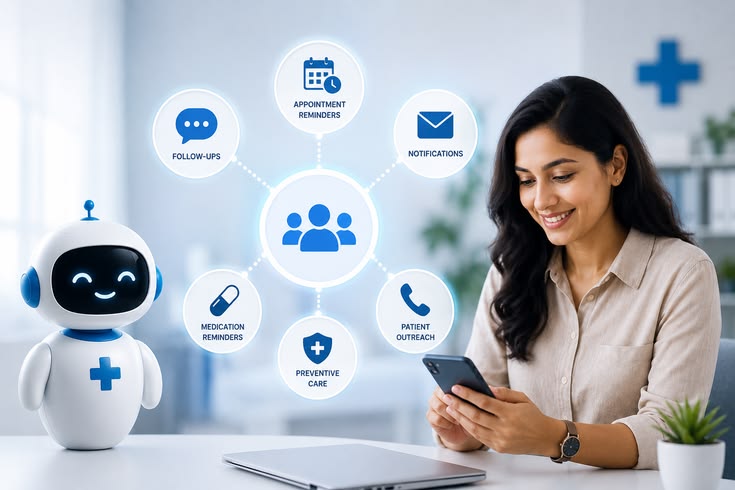
- Appointment reminders
- Preventive care notifications
- Vaccination reminders
- Wellness tips
- Follow-up messages
- Health screening invitations
- Personalized health education
Personalized communication encourages patients to remain actively involved in their care.
Automated Appointment Reminders
Missed appointments can disrupt healthcare delivery and reduce operational efficiency.
Healthcare CRM automatically sends reminders through:
- SMS
- Mobile notifications
Automated reminders help reduce no-show rates while improving patient convenience.
Better Follow-Up Care
Following up after consultations or treatments is essential for maintaining patient relationships.
Healthcare CRM automates follow-up communication by reminding patients about:
- Medication reviews
- Follow-up visits
- Diagnostic tests
- Rehabilitation appointments
- Preventive screenings
Timely follow-ups improve continuity of care and patient satisfaction.
Health Education and Awareness
Educated patients are better equipped to make informed healthcare decisions.
Healthcare CRM supports education by delivering:
- Wellness newsletters
- Preventive care information
- Disease awareness campaigns
- Lifestyle recommendations
- Seasonal health alerts
Providing valuable educational content strengthens trust and promotes healthier behaviors.
Improved Care Coordination
Healthcare often involves collaboration among multiple departments and healthcare professionals.
Healthcare CRM facilitates better coordination by enabling secure sharing of relevant patient information between:
- Physicians
- Nurses
- Specialists
- Administrative staff
- Billing teams
Coordinated care leads to more consistent patient experiences.
Patient Feedback Management
Understanding patient experiences helps healthcare organizations improve service quality.
Healthcare CRM automates feedback collection through:
- Satisfaction surveys
- Post-appointment questionnaires
- Online reviews
- Follow-up communications
Analyzing patient feedback supports continuous improvement.
Workflow Automation
Healthcare CRM reduces administrative workload by automating routine processes.
Automation includes:
- Appointment scheduling
- Follow-up reminders
- Referral management
- Billing notifications
- Task assignments
- Patient onboarding
Automation allows healthcare staff to focus more on patient care.
Data Analytics for Better Engagement
Healthcare CRM provides valuable insights into patient behavior and engagement.
Organizations can monitor:
- Appointment attendance
- Communication response rates
- Patient retention
- Satisfaction scores
- Preventive care participation
- Marketing campaign performance
Data-driven insights help providers improve engagement strategies.
Security and Patient Trust
Protecting patient information is essential for maintaining trust.
Healthcare CRM supports security through:
- Data encryption
- Secure authentication
- Role-based access controls
- Audit logs
- Regular system backups
- Compliance with healthcare regulations
Strong security reassures patients that their personal information is protected.
Benefits of Healthcare CRM for Patient Engagement
Implementing Healthcare CRM provides numerous advantages.
These include:
- Stronger patient relationships
- Better communication
- Increased patient satisfaction
- Higher treatment adherence
- Reduced missed appointments
- Improved operational efficiency
- Better patient retention
- Enhanced healthcare outcomes
These benefits contribute to more effective and patient-centered healthcare delivery.
Challenges During Implementation
Healthcare organizations may face several challenges when adopting Healthcare CRM.
Common challenges include:
- Staff training
- Data migration
- Workflow adjustments
- System integration
- User adoption
- Initial implementation costs
Proper planning and employee support help ensure successful implementation.
Best Practices for Successful Patient Engagement
Healthcare providers should:
- Personalize communication
- Respond promptly to patient inquiries
- Encourage preventive care
- Automate routine communications
- Monitor patient satisfaction
- Protect patient data
- Train staff regularly
- Continuously improve engagement strategies
Following these practices strengthens patient relationships and improves healthcare experiences.
Future Trends in Healthcare CRM and Patient Engagement
Healthcare CRM continues to evolve with advanced digital technologies.
Emerging trends include:
- Artificial Intelligence (AI)
- Predictive patient analytics
- Telehealth integration
- Wearable device connectivity
- Voice-enabled healthcare assistants
- Personalized digital health journeys
- Cloud-based CRM platforms
- Intelligent workflow automation
These innovations will make patient engagement even more personalized and efficient.
Choosing the Right Healthcare CRM
When selecting a Healthcare CRM solution, healthcare organizations should consider:
- Patient communication tools
- Automation capabilities
- Integration with existing systems
- Reporting features
- Mobile accessibility
- Security standards
- Scalability
- Vendor support
Choosing the right CRM helps organizations improve patient engagement while supporting long-term growth.
Healthcare CRM and the Importance of Patient Engagement are closely connected in today’s digital healthcare environment. A modern Healthcare CRM enables providers to communicate more effectively, automate routine interactions, personalize patient experiences, and strengthen long-term relationships. By centralizing patient information and streamlining workflows, CRM systems help healthcare organizations deliver more coordinated, efficient, and patient-focused care.
As healthcare continues to evolve, investing in a Healthcare CRM solution that prioritizes patient engagement can improve satisfaction, encourage better treatment adherence, enhance operational efficiency, and contribute to better health outcomes for both patients and providers.