
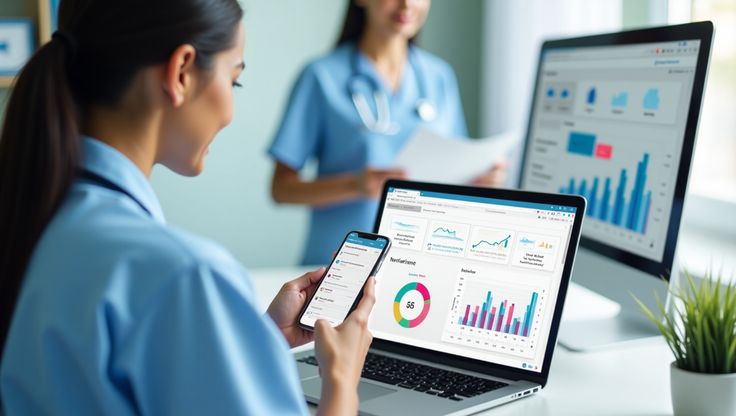
Healthcare organizations today are expected to deliver more than quality medical care—they must also provide seamless communication, personalized services, and efficient patient management. As patient expectations continue to rise, healthcare providers are adopting digital solutions to strengthen relationships and improve care delivery. How Healthcare CRM Supports Better Healthcare Experiences is an important topic because Customer Relationship Management (CRM) systems are transforming the way hospitals, clinics, diagnostic centers, and other healthcare organizations interact with patients.
Healthcare CRM software helps manage patient information, automate communication, coordinate care, and improve engagement throughout the patient journey. By centralizing patient interactions and streamlining administrative processes, CRM solutions enable healthcare providers to focus more on delivering exceptional care.
What Is a Healthcare CRM?
A Healthcare Customer Relationship Management (CRM) system is a software platform designed to manage patient relationships, communication, and engagement. Unlike traditional CRM systems used in sales or marketing, healthcare CRM solutions are tailored to meet the unique needs of medical organizations while ensuring the privacy and security of patient information.
Understanding How Healthcare CRM Supports Better Healthcare Experiences begins with recognizing its ability to connect various aspects of patient care into one centralized platform.
Healthcare CRM systems typically help organizations:
- Manage patient information
- Schedule appointments
- Track patient interactions
- Automate communication
- Coordinate follow-up care
- Improve patient engagement
- Generate reports and analytics
These capabilities help healthcare providers deliver more organized and patient-focused services.
Enhancing Patient Communication
Clear communication is one of the biggest contributors to a positive healthcare experience. Patients appreciate receiving timely updates, reminders, and relevant health information.
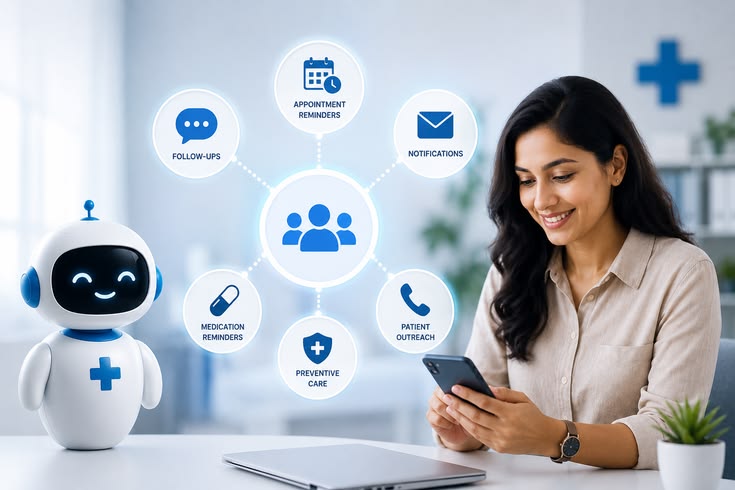
Healthcare CRM systems support communication by providing:
- Appointment confirmations
- Appointment reminders
- Follow-up messages
- Preventive care notifications
- Medication reminders
- Health education materials
Automated communication reduces administrative workload while keeping patients informed throughout their care journey.
Delivering Personalized Patient Experiences
Patients value healthcare providers who understand their individual needs and preferences. Personalization helps build trust and strengthens long-term relationships.
Healthcare CRM software enables providers to personalize interactions by using patient data to:
- Recommend preventive screenings
- Share health tips based on age or medical history
- Send wellness reminders
- Provide customized follow-up care
- Communicate relevant healthcare updates
Personalized communication makes patients feel supported and encourages active participation in their healthcare.
Improving Appointment Management
Efficient appointment scheduling contributes significantly to patient satisfaction.
Healthcare CRM platforms simplify scheduling by offering:
- Online appointment booking
- Appointment rescheduling
- Automated reminders
- Calendar management
- Waitlist handling
- Appointment confirmations
These features reduce scheduling conflicts and minimize missed appointments.
Supporting Better Care Coordination
Healthcare often involves collaboration among multiple departments and specialists. Poor communication between teams can delay treatment and affect patient outcomes.
Healthcare CRM systems improve coordination by centralizing patient information, allowing authorized healthcare professionals to access updated records, communication history, and treatment plans.
Better coordination helps ensure:
- Faster decision-making
- Improved continuity of care
- Reduced duplication of services
- More efficient referrals
Patients benefit from a smoother and more connected healthcare experience.
Strengthening Patient Engagement
Patient engagement is essential for improving health outcomes. Engaged patients are more likely to follow treatment plans, attend appointments, and participate in preventive care.
One of the key ways How Healthcare CRM Supports Better Healthcare Experiences becomes evident is through stronger patient engagement.
CRM software encourages engagement by providing:
- Health education resources
- Wellness campaigns
- Follow-up communications
- Patient satisfaction surveys
- Preventive care reminders
- Personalized health recommendations
These ongoing interactions help patients remain actively involved in managing their health.
Automating Routine Administrative Tasks
Administrative work consumes valuable time for healthcare professionals. CRM software automates repetitive tasks, allowing staff to focus more on patient care.
Automation can include:
- Appointment reminders
- Patient registration
- Follow-up scheduling
- Email campaigns
- SMS notifications
- Feedback collection
Reducing manual processes improves operational efficiency while enhancing the patient experience.
Providing Multi-Channel Communication
Modern patients expect flexibility when communicating with healthcare providers.
Healthcare CRM systems often support multiple communication channels, including:
- SMS
- Phone calls
- Patient portals
- Mobile applications
- Live chat
Giving patients multiple communication options improves accessibility and convenience.
Improving Data Management
Accurate patient information is essential for delivering high-quality care.
Healthcare CRM software organizes important information such as:
- Contact details
- Medical history
- Appointment records
- Communication logs
- Billing information
- Care plans
A centralized database reduces administrative errors and ensures healthcare providers have quick access to the information they need.
Supporting Data Security and Privacy
Patient trust depends on protecting sensitive medical information.
Modern healthcare CRM platforms include security features such as:
- Data encryption
- Secure user authentication
- Access controls
- Audit logs
- Regular data backups
- Compliance monitoring
Strong security measures help healthcare organizations maintain patient confidence and comply with healthcare privacy regulations.
Leveraging Analytics for Better Decisions
Healthcare CRM software provides valuable data that supports continuous improvement.
Organizations can analyze:
- Appointment attendance
- Patient engagement levels
- Communication effectiveness
- Satisfaction scores
- Follow-up completion rates
- Service utilization trends
These insights help healthcare providers identify opportunities to improve services and patient experiences.
Integrating with Other Healthcare Systems
Healthcare CRM solutions often integrate with existing technologies to create a more connected healthcare environment.
Common integrations include:
- Electronic Health Records (EHR)
- Electronic Medical Records (EMR)
- Laboratory information systems
- Billing software
- Telemedicine platforms
- Pharmacy management systems
Integration improves workflow efficiency and reduces duplicate data entry.
Emerging Trends in Healthcare CRM
Technology continues to shape the future of patient engagement and healthcare communication.
Current trends include:
- Artificial Intelligence for patient support
- Predictive analytics
- Cloud-based CRM platforms
- Mobile patient engagement applications
- Voice-enabled healthcare services
- Chatbots for appointment scheduling
- Personalized wellness programs
- Telehealth integration
These innovations continue to improve communication, efficiency, and patient satisfaction.
Best Practices for Healthcare CRM Implementation
Healthcare organizations can maximize the value of CRM software by following these best practices:
- Clearly define implementation goals
- Train healthcare staff thoroughly
- Keep patient information accurate
- Integrate CRM with existing systems
- Monitor performance regularly
- Protect patient privacy
- Gather patient feedback
- Update communication strategies
- Use automation thoughtfully
- Continuously improve workflows
A strategic implementation approach ensures better adoption and long-term success.
Benefits of Healthcare CRM for Patients and Providers
Healthcare CRM creates advantages for both patients and healthcare organizations.
For patients:
- Faster communication
- Personalized care
- Convenient appointment management
- Better access to healthcare information
- Improved continuity of care
For healthcare providers:
- Increased efficiency
- Stronger patient relationships
- Better resource management
- Improved operational performance
- Enhanced decision-making through analytics
These shared benefits contribute to a more effective healthcare experience.
Understanding How Healthcare CRM Supports Better Healthcare Experiences highlights the growing importance of technology in modern healthcare. By improving communication, personalizing patient interactions, automating administrative tasks, and supporting better care coordination, healthcare CRM systems help organizations deliver more efficient and patient-centered services.
As healthcare continues to evolve, CRM technology will remain a valuable tool for strengthening patient relationships, enhancing operational efficiency, and improving overall healthcare outcomes. Organizations that invest in effective CRM solutions are better equipped to meet patient expectations while providing high-quality care in an increasingly digital healthcare environment.