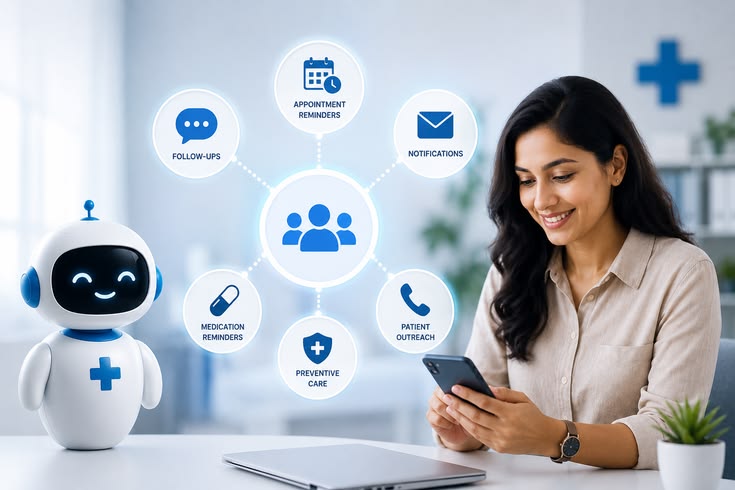


Healthcare is becoming increasingly patient-centered, with greater emphasis on making medical services easier to access, understand, and navigate. Patients expect convenient appointment scheduling, timely communication, personalized care, and seamless interactions with healthcare providers. This is where How Healthcare CRM Helps Improve Patient Accessibility becomes an important topic. Healthcare Customer Relationship Management (CRM) software enables hospitals, clinics, specialty practices, and healthcare organizations to improve communication, simplify administrative processes, and ensure patients can access the care they need more efficiently.
A healthcare CRM is more than a patient database. It serves as a centralized platform that connects patients and healthcare providers through automated communication, digital engagement, and coordinated care management. By reducing barriers to healthcare access, CRM systems contribute to better patient experiences and improved health outcomes.
Understanding Healthcare CRM
Healthcare CRM (Customer Relationship Management) software is designed to manage patient interactions throughout the healthcare journey. Unlike traditional CRM platforms used in sales and marketing, healthcare CRM solutions focus on improving patient communication, engagement, and service delivery while maintaining strict privacy and security standards.
Understanding How Healthcare CRM Helps Improve Patient Accessibility starts with recognizing its ability to organize patient information, automate communication, and support more efficient healthcare services.
Healthcare CRM systems commonly provide:
- Patient profile management
- Appointment scheduling
- Automated reminders
- Follow-up communication
- Patient engagement tools
- Feedback collection
- Reporting and analytics
- Care coordination support
These capabilities help healthcare organizations provide more accessible and responsive care.
Improving Appointment Scheduling
One of the biggest barriers to healthcare access is complicated appointment scheduling. Patients often experience long wait times, missed calls, or limited scheduling options.
Healthcare CRM software simplifies appointment management by offering:
- Online appointment booking
- Appointment rescheduling
- Automated confirmations
- Calendar synchronization
- Waitlist management
- Real-time availability updates
These features make scheduling faster and more convenient for patients while reducing administrative workload.
Providing Automated Appointment Reminders
Missed appointments can delay treatment and reduce healthcare efficiency.
Healthcare CRM systems automatically send reminders through multiple communication channels, including:
- SMS
- Mobile notifications
- Voice calls
Automated reminders help patients remember upcoming appointments, reducing no-show rates and improving access to timely care.
Supporting Multi-Channel Communication
Patients have different communication preferences. Some prefer phone calls, while others rely on text messages, emails, or patient portals.
Healthcare CRM platforms support multiple communication channels, allowing patients to choose the option that best suits their needs.
Communication methods often include:
- SMS
- Phone calls
- Patient portals
- Mobile applications
- Live chat
Providing flexible communication options improves convenience and accessibility.
Enhancing Patient Engagement
Engaged patients are more likely to seek preventive care, follow treatment plans, and maintain regular communication with healthcare providers.
One of the most valuable ways How Healthcare CRM Helps Improve Patient Accessibility is through continuous patient engagement.
CRM systems support engagement by delivering:
- Preventive care reminders
- Health education resources
- Wellness campaigns
- Vaccination notifications
- Personalized health recommendations
- Follow-up messages
These ongoing interactions encourage patients to remain actively involved in their healthcare.
Centralizing Patient Information
Healthcare CRM software stores patient information in a centralized database that can be securely accessed by authorized healthcare professionals.
Information may include:
- Contact details
- Appointment history
- Medical records
- Communication history
- Treatment plans
- Billing information
Centralized information enables healthcare providers to deliver faster and more personalized services.
Improving Care Coordination
Many patients receive treatment from multiple healthcare providers. Poor communication between departments can create delays and confusion.
Healthcare CRM improves coordination by allowing healthcare teams to share updated patient information and collaborate more effectively.
Benefits include:
- Faster referrals
- Better continuity of care
- Reduced duplicate services
- Improved treatment planning
Patients experience smoother transitions between healthcare providers.
Delivering Personalized Communication
Personalized communication makes healthcare services more accessible by ensuring patients receive relevant information at the right time.
Healthcare CRM software enables providers to:
- Send treatment-specific updates
- Recommend preventive screenings
- Share educational resources
- Provide medication reminders
- Customize follow-up care
Personalized interactions help patients better understand and manage their healthcare.
Increasing Access Through Digital Services
Modern healthcare increasingly relies on digital tools to improve accessibility.
Healthcare CRM platforms often integrate with:
- Telemedicine systems
- Patient portals
- Online payment solutions
- Electronic Health Records (EHR)
- Electronic Medical Records (EMR)
- Mobile healthcare applications
These integrations allow patients to access healthcare services without unnecessary delays or in-person visits.
Supporting Accessibility for Diverse Patient Groups
Healthcare CRM systems help organizations better serve diverse populations by improving communication and accessibility.
Features may include:
- Multilingual communication
- Accessible patient portals
- Mobile-friendly interfaces
- Automated translation support
- Flexible communication preferences
These capabilities help ensure healthcare services are more inclusive.
Protecting Patient Privacy
Improving accessibility should never compromise patient security.
Healthcare CRM platforms include important security features such as:
- Data encryption
- Secure authentication
- Role-based access controls
- Audit logs
- Regular backups
Strong security measures help protect sensitive patient information while maintaining trust.
Using Analytics to Improve Accessibility
Healthcare CRM software provides valuable insights that help organizations improve patient access.
Healthcare providers can monitor:
- Appointment attendance
- Communication response rates
- Patient satisfaction
- Service utilization
- Wait times
- Engagement trends
Analytics enable continuous improvements in patient services and accessibility.
Benefits of Healthcare CRM for Patient Accessibility
Implementing healthcare CRM software offers significant advantages for both patients and healthcare providers.
Benefits for Patients
- Easier appointment scheduling
- Faster communication
- Personalized healthcare experiences
- Better access to health information
- Improved care coordination
- More convenient digital services
Benefits for Healthcare Organizations
- Improved operational efficiency
- Reduced administrative workload
- Lower no-show rates
- Better patient engagement
- Stronger patient relationships
- Data-driven service improvements
Together, these benefits create a more accessible and patient-focused healthcare environment.
Emerging Trends in Healthcare CRM
Healthcare CRM technology continues to evolve to meet changing patient expectations.
Current trends include:
- Artificial Intelligence-powered patient support
- Predictive analytics
- Cloud-based CRM solutions
- Mobile patient engagement platforms
- Voice-enabled communication
- Chatbots for appointment assistance
- Personalized wellness programs
- Remote patient monitoring integration
These innovations continue to expand healthcare accessibility and improve patient experiences.
Best Practices for Implementing Healthcare CRM
Healthcare organizations can maximize the benefits of CRM software by following these best practices:
- Define clear patient accessibility goals
- Train healthcare staff effectively
- Integrate CRM with existing healthcare systems
- Maintain accurate patient data
- Protect patient privacy
- Monitor communication performance
- Collect patient feedback regularly
- Continuously optimize workflows
- Use automation strategically
- Review analytics for ongoing improvements
Following these practices ensures successful CRM implementation and long-term value.
Conclusion
Understanding How Healthcare CRM Helps Improve Patient Accessibility demonstrates how technology is reshaping modern healthcare. By simplifying appointment scheduling, improving communication, centralizing patient information, and supporting coordinated care, healthcare CRM software removes barriers that can prevent patients from receiving timely and effective medical services.
As healthcare organizations continue their digital transformation, investing in a robust CRM platform enables them to provide more accessible, personalized, and efficient care. By improving patient accessibility, healthcare providers can strengthen relationships, enhance satisfaction, and deliver better health outcomes for the communities they serve.