
Building strong patient relationships is essential for delivering high-quality healthcare. Patients today expect more than effective treatment—they also value timely communication, personalized care, convenient services, and continuous support throughout their healthcare journey. Understanding How Healthcare CRM Helps Strengthen Patient Relationships enables healthcare organizations to improve patient satisfaction while creating lasting connections based on trust and effective communication.
Healthcare Customer Relationship Management (CRM) software provides healthcare providers with a centralized platform to manage patient interactions, automate communication, and streamline administrative processes. By improving every touchpoint between patients and providers, Healthcare CRM helps create a more connected and patient-centered healthcare experience.
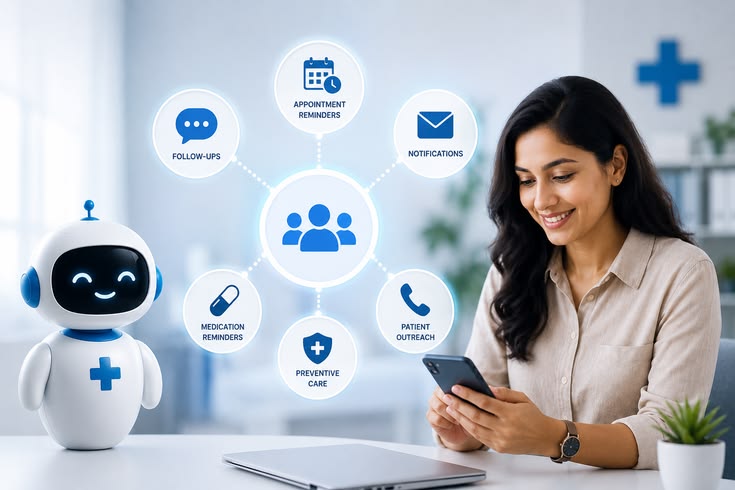
Improves Patient Communication
Clear and consistent communication is the foundation of strong patient relationships. Healthcare CRM enables providers to communicate with patients through multiple channels while ensuring important information is delivered on time.
Healthcare CRM supports communication through:
- Appointment reminders
- Follow-up messages
- Preventive care notifications
- Health education updates
- Wellness campaign announcements
Regular communication keeps patients informed and strengthens their confidence in healthcare providers.
Delivers Personalized Patient Experiences
Patients appreciate healthcare services that recognize their individual needs and preferences. Healthcare CRM stores patient history, communication preferences, and previous interactions, allowing providers to personalize every engagement.
Personalized communication may include:
- Customized appointment reminders
- Individual wellness recommendations
- Targeted health education
- Personalized follow-up plans
These personalized experiences help patients feel valued and supported throughout their care journey.
Enhances Patient Engagement
Patient engagement is essential for improving healthcare outcomes and maintaining long-term relationships. Healthcare CRM encourages patients to remain actively involved in their healthcare through continuous communication and educational resources.
Engagement strategies include:
- Health awareness campaigns
- Preventive care reminders
- Routine check-up notifications
- Digital educational materials
- Patient satisfaction surveys
Engaged patients are more likely to follow treatment recommendations and maintain regular contact with healthcare providers.
Builds Trust Through Consistent Care
Trust develops when patients receive reliable communication and consistent service. Healthcare CRM allows clinic staff to access complete communication histories, ensuring every interaction is informed and professional.
Consistent communication helps:
- Reduce misunderstandings
- Improve service continuity
- Provide accurate information
- Deliver timely follow-ups
Reliable interactions strengthen patient confidence and improve overall satisfaction.
Simplifies Appointment Management
Convenient appointment scheduling contributes significantly to positive patient experiences. Healthcare CRM automates appointment management, making the process easier for both patients and healthcare staff.
Features include:
- Online appointment booking
- Automated confirmations
- Reminder notifications
- Rescheduling options
- Waitlist management
These tools reduce missed appointments while improving patient convenience.
Supports Continuous Follow-Up Care
Maintaining communication after treatment is important for building lasting patient relationships. Healthcare CRM automates follow-up communication to ensure patients receive ongoing support.
Follow-up activities include:
- Recovery check-ins
- Medication reminders
- Post-treatment guidance
- Wellness recommendations
- Feedback requests
Consistent follow-up demonstrates a commitment to patient well-being beyond the initial consultation.
Improves Care Coordination
Patients often interact with multiple healthcare professionals during their treatment. Healthcare CRM centralizes patient information, enabling better collaboration among departments.
Benefits include:
- Shared patient records
- Faster communication
- Coordinated care planning
- Consistent patient messaging
- Reduced administrative duplication
Improved coordination creates a seamless healthcare experience.
Collects and Uses Patient Feedback
Patient feedback helps healthcare organizations understand expectations and identify opportunities for improvement. Healthcare CRM simplifies feedback collection and analysis.
Feedback methods include:
- Online surveys
- Satisfaction questionnaires
- Follow-up reviews
- Service evaluation forms
Using patient feedback supports continuous improvement and demonstrates that patient opinions are valued.
Supports Telehealth Communication
As virtual healthcare services continue to expand, Healthcare CRM helps manage communication across both in-person and online consultations.
Healthcare CRM supports:
- Telehealth appointment scheduling
- Virtual consultation reminders
- Secure follow-up communication
- Digital patient engagement
These capabilities ensure consistent communication regardless of how patients receive healthcare services.
Provides Valuable Insights
Healthcare CRM includes reporting and analytics features that help organizations understand patient engagement and relationship performance.
CRM analytics can measure:
- Appointment attendance
- Patient satisfaction
- Communication effectiveness
- Engagement levels
- Retention rates
- Service performance
These insights allow healthcare providers to improve communication strategies and strengthen patient relationships over time.
Protects Patient Information
Trust also depends on protecting sensitive patient information. Modern Healthcare CRM systems include advanced security features that help maintain privacy and support compliance with healthcare regulations.
Security features typically include:
- Data encryption
- Secure authentication
- Role-based access controls
- Activity monitoring
- Regular security updates
Strong data protection increases patient confidence in digital healthcare services.
Supports Long-Term Patient Loyalty
Strong patient relationships encourage long-term loyalty and continuity of care. Healthcare CRM helps organizations maintain regular communication and provide ongoing support throughout every stage of the patient journey.
Long-term relationship strategies include:
- Preventive care reminders
- Wellness newsletters
- Health education campaigns
- Personalized communication
- Regular follow-up engagement
Patients who feel connected and supported are more likely to continue receiving care from the same healthcare provider.
Understanding How Healthcare CRM Helps Strengthen Patient Relationships demonstrates the important role technology plays in modern healthcare. Healthcare CRM improves communication, supports personalized care, enhances patient engagement, streamlines workflows, and strengthens collaboration across healthcare teams.
By implementing Healthcare CRM, hospitals and clinics can build stronger patient relationships, improve service quality, increase patient satisfaction, and encourage long-term loyalty. As healthcare continues to evolve, CRM technology remains an essential solution for delivering patient-centered care and creating meaningful connections that contribute to better healthcare experiences and outcomes.