
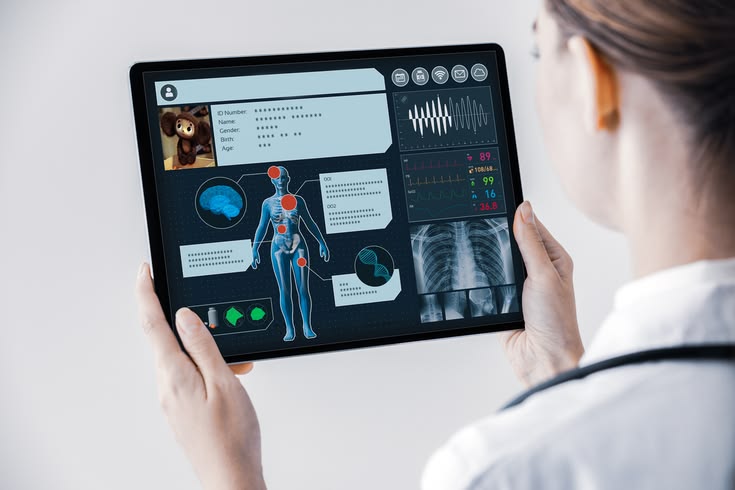
Modern clinics are expected to provide more than quality medical care. Patients now look for convenient appointment scheduling, timely communication, personalized services, and a seamless healthcare experience. As patient expectations continue to evolve, clinics need digital solutions that help them manage relationships efficiently while improving operational performance. Understanding Why Healthcare CRM Is Important for Modern Clinics highlights how Customer Relationship Management (CRM) software enables clinics to deliver better patient experiences and streamline everyday operations.
Healthcare CRM is designed specifically for the healthcare industry, allowing clinics to manage patient interactions, automate communication, organize information, and support coordinated care. By bringing together patient data and administrative processes, CRM systems help clinics improve efficiency while maintaining a patient-centered approach.
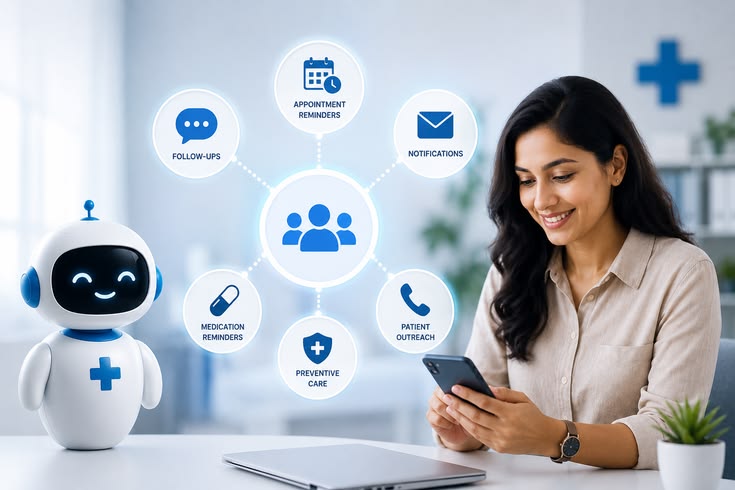
Improves Patient Communication
Clear and timely communication is essential for building trust between clinics and patients. Healthcare CRM software simplifies communication by automating routine interactions and ensuring patients stay informed throughout their healthcare journey.
CRM solutions can manage:
- Appointment confirmations
- Reminder notifications
- Follow-up messages
- Health education updates
- Preventive care reminders
Consistent communication reduces missed appointments and keeps patients engaged with their care.
Enhances Patient Experience
A positive patient experience encourages satisfaction and long-term loyalty. Healthcare CRM helps clinics deliver personalized services by providing staff with access to patient preferences and interaction history.
Patients benefit from:
- Faster appointment scheduling
- Personalized communication
- Quicker responses to inquiries
- Consistent follow-up care
- Better coordination between departments
These improvements create a smoother and more comfortable healthcare experience.
Centralizes Patient Information
Managing patient information across multiple systems can be challenging. Healthcare CRM centralizes essential patient records into one secure platform, making information easily accessible to authorized staff.
Centralized data may include:
- Contact information
- Appointment history
- Communication records
- Patient preferences
- Feedback and inquiries
Easy access to organized information improves workflow efficiency and supports better decision-making.
Streamlines Appointment Management
Scheduling appointments manually can be time-consuming and prone to errors. Healthcare CRM automates appointment management, helping clinics optimize their schedules.
Common features include:
- Online appointment booking
- Automated reminders
- Appointment confirmations
- Rescheduling options
- Waitlist management
These tools reduce administrative workload while improving convenience for patients.
Supports Personalized Patient Care
Every patient has unique healthcare needs. Healthcare CRM enables clinics to personalize communication and services based on individual patient profiles.
Examples include:
- Customized follow-up plans
- Preventive care reminders
- Wellness program invitations
- Targeted health education
- Personalized appointment notifications
Personalized care strengthens patient relationships and encourages long-term engagement.
Improves Internal Collaboration
Modern clinics often involve multiple healthcare professionals working together. Healthcare CRM promotes better collaboration by providing shared access to patient interaction history and administrative information.
Benefits include:
- Better communication between teams
- Faster information sharing
- Reduced duplication of work
- Improved coordination of patient services
- More consistent patient experiences
Effective teamwork contributes to higher service quality.
Automates Routine Administrative Tasks
Administrative responsibilities can consume valuable staff time. Healthcare CRM automates repetitive tasks, allowing clinic teams to focus more on patient care.
Automation capabilities include:
- Appointment reminders
- Email and SMS communication
- Follow-up scheduling
- Patient registration workflows
- Report generation
Automation improves productivity while reducing the risk of human error.
Strengthens Patient Retention
Building lasting patient relationships is essential for sustainable clinic growth. Healthcare CRM supports patient retention through regular engagement and proactive communication.
Retention strategies include:
- Preventive care campaigns
- Routine check-up reminders
- Patient satisfaction surveys
- Wellness newsletters
- Health awareness campaigns
Patients who feel supported are more likely to return for future healthcare services.
Provides Valuable Business Insights
Healthcare CRM systems include reporting and analytics features that help clinics monitor performance and identify areas for improvement.
Useful insights include:
- Appointment trends
- Patient engagement levels
- Communication effectiveness
- Service satisfaction
- Retention rates
- Operational performance
Data-driven insights help clinics make informed decisions and improve service quality.
Supports Telehealth and Digital Healthcare
Many clinics now offer virtual consultations alongside traditional in-person services. Healthcare CRM helps coordinate digital healthcare by managing communication and appointments across multiple channels.
CRM supports:
- Virtual appointment scheduling
- Telehealth reminders
- Digital follow-up communication
- Online patient engagement
This integration provides patients with greater flexibility and convenience.
Improves Data Security and Compliance
Protecting patient information is a critical responsibility for healthcare providers. Modern Healthcare CRM platforms include advanced security measures to safeguard sensitive data.
Security features typically include:
- Role-based access controls
- Data encryption
- Secure authentication
- Activity monitoring
- Regular system updates
These protections help clinics maintain patient trust while supporting regulatory compliance.
Supports Long-Term Clinic Growth
As clinics expand, managing patient relationships becomes increasingly complex. Healthcare CRM provides scalable tools that support growth without compromising service quality.
Scalable benefits include:
- Efficient workflow management
- Improved resource allocation
- Better patient communication
- Consistent service delivery
- Easier integration with other healthcare systems
CRM enables clinics to grow while maintaining high standards of patient care.
Understanding Why Healthcare CRM Is Important for Modern Clinics demonstrates how technology is transforming healthcare delivery. Healthcare CRM improves communication, centralizes patient information, automates administrative processes, strengthens collaboration, and supports personalized patient care.
By adopting a modern Healthcare CRM solution, clinics can enhance service quality, improve operational efficiency, increase patient satisfaction, and build stronger long-term relationships. As healthcare continues to evolve, CRM technology remains an essential investment for clinics committed to delivering exceptional patient experiences and sustainable growth.