
Effective communication is one of the most important aspects of quality healthcare. Patients expect timely updates, convenient appointment scheduling, personalized interactions, and easy access to healthcare information. As digital transformation continues to reshape the healthcare industry, Healthcare Customer Relationship Management (CRM) systems are becoming essential tools for improving communication between providers and patients. Understanding Healthcare CRM and the Future of Patient Communication helps healthcare organizations build stronger relationships, improve patient engagement, and deliver more connected care.
Healthcare CRM software centralizes patient interactions, automates communication, and provides valuable insights that enable hospitals, clinics, and healthcare providers to offer a seamless patient experience. By combining technology with patient-centered strategies, CRM systems are shaping the future of healthcare communication.
Enhancing Patient Engagement
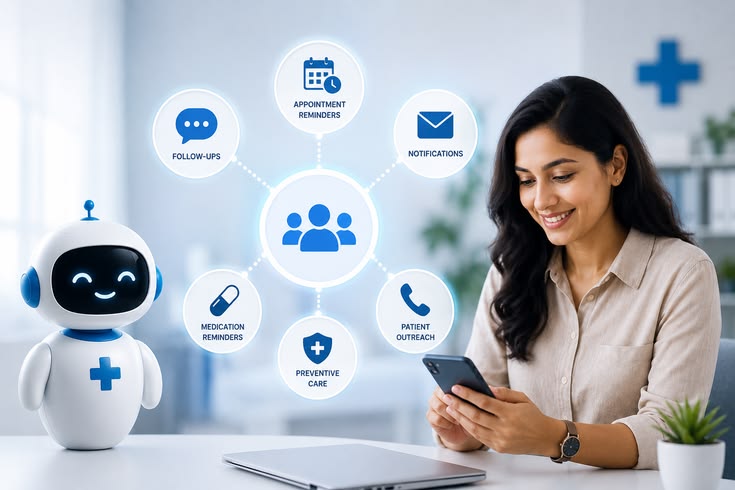
Healthcare CRM enables organizations to maintain continuous communication throughout the patient journey. Instead of contacting patients only during appointments, providers can engage them before, during, and after treatment.
CRM supports engagement through:
- Appointment reminders
- Follow-up notifications
- Preventive care alerts
- Wellness campaigns
- Educational health content
Regular communication encourages patients to stay involved in managing their health and improves overall satisfaction.
Personalized Communication
Every patient has unique healthcare needs and preferences. Healthcare CRM stores patient interaction history and communication preferences, allowing providers to deliver more personalized experiences.
Examples include:
- Customized appointment reminders
- Personalized health education
- Individual wellness recommendations
- Targeted preventive care messages
Personalized communication helps build trust and encourages long-term patient relationships.
Omnichannel Communication
Modern patients use multiple communication channels to interact with healthcare providers. Healthcare CRM supports omnichannel communication, ensuring consistent messaging across different platforms.
Common channels include:
- SMS
- Phone calls
- Patient portals
- Mobile applications
- Online chat
Providing multiple communication options improves accessibility and convenience for patients.
Automated Patient Communication
Automation is transforming healthcare communication by reducing manual administrative work while ensuring patients receive timely information.
Healthcare CRM can automate:
- Appointment confirmations
- Reminder notifications
- Follow-up messages
- Health screening invitations
- Prescription refill reminders
Automation improves efficiency and minimizes the risk of missed communications.
Supporting Telehealth Services
Virtual healthcare has become an essential part of modern medical practice. Healthcare CRM helps coordinate communication related to telehealth appointments and ongoing virtual care.
CRM features support:
- Telehealth scheduling
- Consultation reminders
- Digital follow-up communication
- Patient satisfaction surveys
These capabilities create a seamless experience for both in-person and remote healthcare services.
Improving Care Coordination
Patients often receive care from multiple departments and healthcare professionals. Healthcare CRM centralizes communication records, making collaboration easier across teams.
Benefits include:
- Shared patient interaction history
- Faster information access
- Improved internal communication
- Consistent patient messaging
Better coordination contributes to safer, more efficient healthcare delivery.
Encouraging Preventive Care
Healthcare CRM supports proactive communication by reminding patients about preventive healthcare services before health issues become more serious.
Providers can send reminders for:
- Vaccinations
- Routine screenings
- Annual health check-ups
- Wellness programs
- Chronic disease monitoring
Preventive communication helps improve long-term health outcomes and patient awareness.
Collecting Patient Feedback
Patient feedback plays an important role in improving healthcare services. Healthcare CRM makes it easier to collect, organize, and analyze patient opinions.
Feedback tools include:
- Online surveys
- Satisfaction questionnaires
- Service reviews
- Follow-up feedback requests
Analyzing patient feedback helps healthcare organizations identify improvement opportunities and enhance service quality.
Data-Driven Communication Strategies
Healthcare CRM provides valuable analytics that help organizations optimize patient communication.
Reports can measure:
- Message delivery rates
- Patient engagement
- Appointment attendance
- Communication preferences
- Response times
- Satisfaction trends
These insights allow providers to refine communication strategies based on real patient behavior.
Strengthening Data Security
As digital communication increases, protecting patient information becomes even more important. Healthcare CRM platforms include security features that safeguard sensitive healthcare data.
Security measures often include:
- Data encryption
- Secure authentication
- Role-based access controls
- Activity monitoring
- Compliance support
Strong security helps maintain patient trust while supporting healthcare regulations.
Integrating with Digital Healthcare Systems
Modern Healthcare CRM solutions integrate with other healthcare technologies to create a connected patient experience.
Common integrations include:
- Electronic Health Records (EHR)
- Appointment scheduling systems
- Patient portals
- Billing platforms
- Telehealth platforms
Integration reduces duplicate work, improves information sharing, and enhances communication across the healthcare ecosystem.
Preparing for the Future of Healthcare Communication
The future of patient communication will continue to evolve with emerging technologies such as artificial intelligence, predictive analytics, and intelligent automation. Healthcare CRM provides a flexible foundation for adopting these innovations while maintaining strong patient relationships.
Future communication trends may include:
- AI-powered virtual assistants
- Predictive patient engagement
- Smart communication scheduling
- Personalized digital health journeys
- Advanced patient analytics
Healthcare organizations that invest in CRM technology today are better prepared for tomorrow’s healthcare environment.
Understanding Healthcare CRM and the Future of Patient Communication highlights the growing importance of digital engagement in modern healthcare. Healthcare CRM enables providers to improve communication, personalize patient interactions, automate routine tasks, support telehealth, and strengthen care coordination.
As healthcare continues to embrace innovation, CRM technology will remain a critical tool for delivering efficient, patient-centered communication. Organizations that implement Healthcare CRM can improve patient satisfaction, enhance operational efficiency, and build lasting relationships that contribute to better healthcare experiences and outcomes.