Patient satisfaction has become one of the most important measures of healthcare quality. Today’s patients expect healthcare providers to deliver not only excellent medical care but also convenient, efficient, and personalized experiences. As healthcare continues to embrace digital transformation, technology plays a vital role in meeting these expectations and strengthening the relationship between patients and healthcare providers.
Understanding Improving Patient Satisfaction Through Technology helps healthcare organizations recognize how digital solutions can streamline operations, enhance communication, reduce waiting times, and create a more positive patient journey. By adopting modern healthcare technologies, hospitals, clinics, and medical centers can improve both patient outcomes and overall service quality.
The Importance of Patient Satisfaction
Patient satisfaction reflects how patients perceive the quality of care they receive throughout their healthcare journey. From scheduling appointments to post-treatment follow-ups, every interaction influences the overall experience.
Satisfied patients are more likely to:
- Return for future care
- Follow treatment recommendations
- Recommend healthcare providers to others
- Build long-term trust
- Maintain stronger engagement with their healthcare providers
Technology helps create these positive experiences by making healthcare services more accessible and efficient.
Digital Appointment Scheduling
Traditional appointment booking methods often involve long phone calls and limited office hours. Digital appointment scheduling allows patients to book, reschedule, or cancel appointments online at their convenience.
Key benefits include:
- Faster booking process
- Reduced waiting times
- Improved scheduling accuracy
- Greater convenience
- Better patient experience
Automated scheduling also helps healthcare providers manage their calendars more effectively.
Online Patient Portals
Patient portals provide secure access to important healthcare information in one convenient location.
Patients can use portals to:
- View medical records
- Access laboratory results
- Download prescriptions
- Review treatment plans
- Update personal information
- Communicate with healthcare providers
Easy access to health information increases transparency and empowers patients to participate actively in their care.
Better Communication Through Digital Tools
Clear communication is essential for patient satisfaction.
Modern healthcare technology enables providers to communicate through secure digital channels, allowing patients to receive timely information without unnecessary delays.
Examples include:
- Appointment reminders
- Follow-up messages
- Health education materials
- Prescription notifications
- Treatment updates
Consistent communication helps reduce missed appointments while improving patient confidence.
Reduced Waiting Times
Long waiting periods are one of the most common sources of patient dissatisfaction.
Technology helps reduce delays by improving scheduling efficiency, managing patient flow, and streamlining administrative processes.
Benefits include:
- Faster patient registration
- Better appointment management
- Efficient check-in procedures
- Improved resource allocation
- Reduced overcrowding
Shorter waiting times contribute significantly to a better healthcare experience.
Electronic Health Records Improve Care
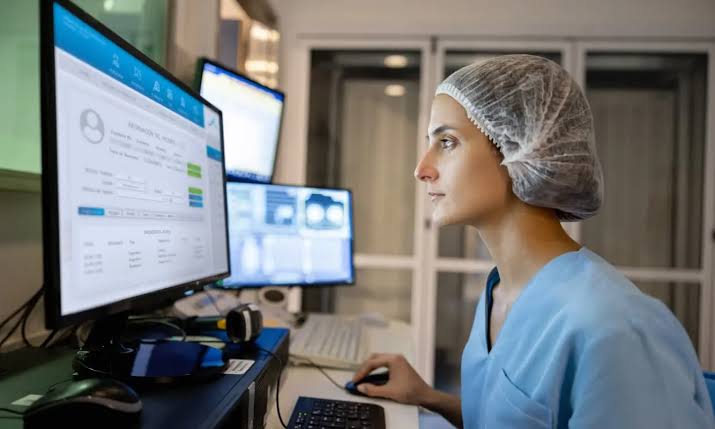
Electronic Health Records (EHRs) provide healthcare professionals with quick access to accurate patient information.
Advantages include:
- Faster diagnosis support
- Better treatment coordination
- Reduced paperwork
- Improved clinical decision-making
- Enhanced continuity of care
Having complete medical histories readily available helps healthcare providers deliver safer and more personalized treatment.
Personalized Patient Experiences
Technology allows healthcare providers to tailor services based on individual patient needs.
Personalized care may include:
- Customized appointment reminders
- Individual treatment plans
- Preventive care recommendations
- Health education based on patient history
- Personalized follow-up schedules
Patients appreciate healthcare experiences that recognize their unique needs and preferences.
Secure Healthcare Information
Protecting patient information is essential for maintaining trust.
Modern healthcare technologies include security measures such as:
- Data encryption
- Secure user authentication
- Access controls
- Regular system monitoring
- Secure cloud storage
Strong data protection reassures patients that their personal health information remains confidential.
Telehealth Improves Accessibility
Telehealth has transformed healthcare by allowing patients to consult healthcare professionals remotely.
Benefits include:
- Greater convenience
- Reduced travel time
- Easier access for rural communities
- Faster follow-up consultations
- Improved continuity of care
Virtual healthcare services increase accessibility while maintaining high standards of patient care.
Automated Appointment Reminders
Missed appointments can affect both patients and healthcare providers.
Automated reminders sent through SMS, email, or mobile applications help patients remember upcoming visits.
Advantages include:
- Lower no-show rates
- Better appointment attendance
- Improved scheduling efficiency
- Enhanced patient engagement
Patients appreciate timely reminders that simplify healthcare management.
Faster Administrative Processes
Administrative tasks often influence patient satisfaction more than expected.
Technology streamlines processes such as:
- Patient registration
- Insurance verification
- Billing
- Payment processing
- Document management
Efficient administration allows healthcare staff to spend more time focusing on patient care.
Mobile Healthcare Applications
Healthcare mobile applications provide patients with convenient access to essential services anytime.
Features often include:
- Appointment booking
- Medication reminders
- Health tracking
- Medical records access
- Secure messaging
- Wellness resources
Mobile accessibility improves patient engagement while encouraging proactive health management.
Data Analytics Supports Better Healthcare
Healthcare organizations use analytics to understand patient behavior and improve service quality.
Analytics can identify:
- Common appointment trends
- Patient satisfaction patterns
- Service improvement opportunities
- Resource utilization
- Operational efficiency
These insights help healthcare providers make informed decisions that enhance patient experiences.
Technology Across Healthcare Settings
Technology improves patient satisfaction in various healthcare environments.
Hospitals
Hospitals use digital systems to coordinate patient care, manage admissions, and improve communication between departments.
Clinics
Clinics benefit from faster appointment scheduling, electronic records, and streamlined administrative workflows.
Specialty Centers
Specialized healthcare facilities use digital tools to improve treatment planning, patient monitoring, and follow-up care.
Diagnostic Centers
Technology speeds up appointment scheduling, report delivery, and communication of test results.
Future Trends in Patient-Centered Technology
Healthcare technology continues to evolve with innovations such as:
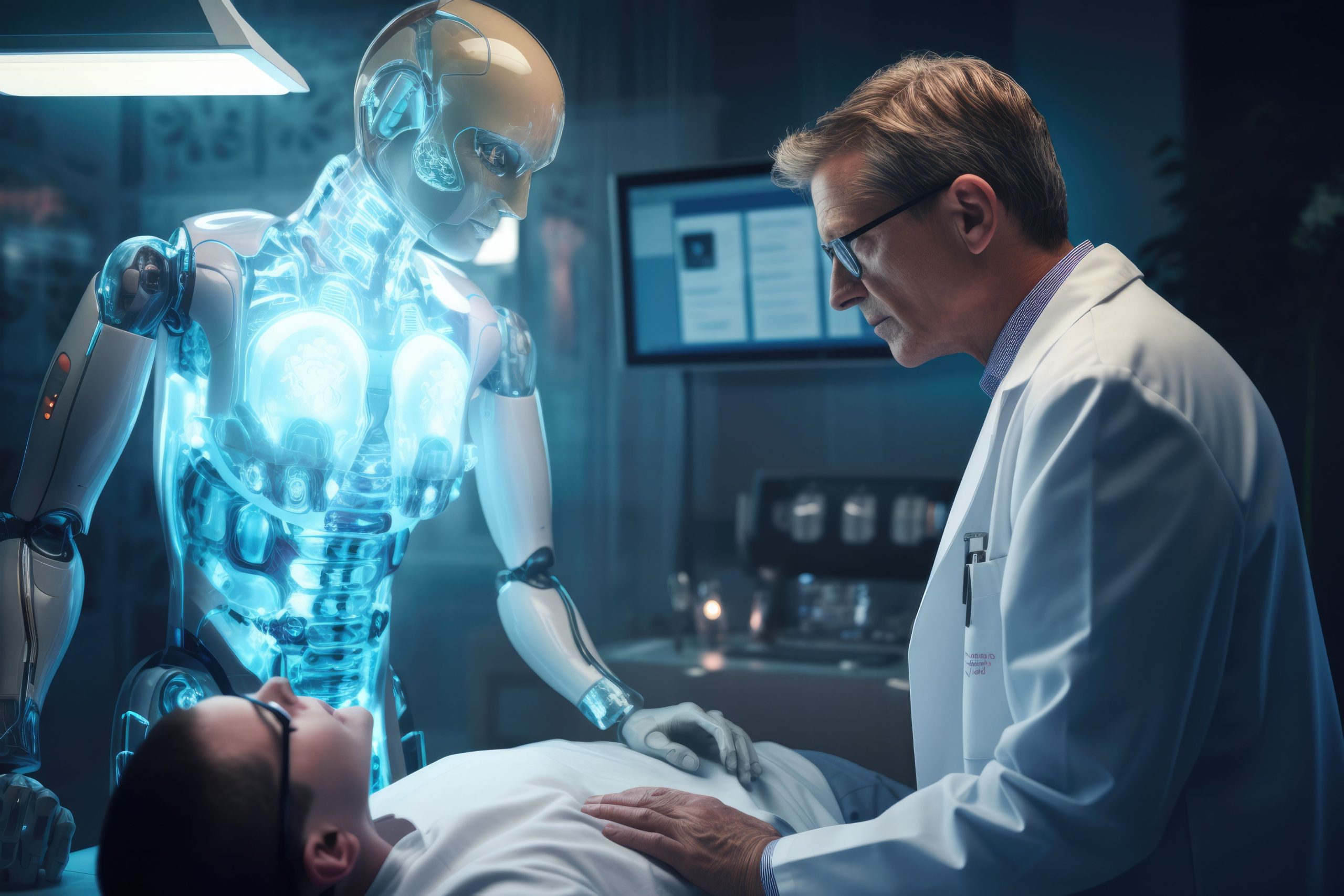
- Artificial intelligence
- Remote patient monitoring
- Wearable health devices
- Predictive analytics
- Voice-enabled healthcare systems
- Smart patient portals
- Cloud-based healthcare platforms
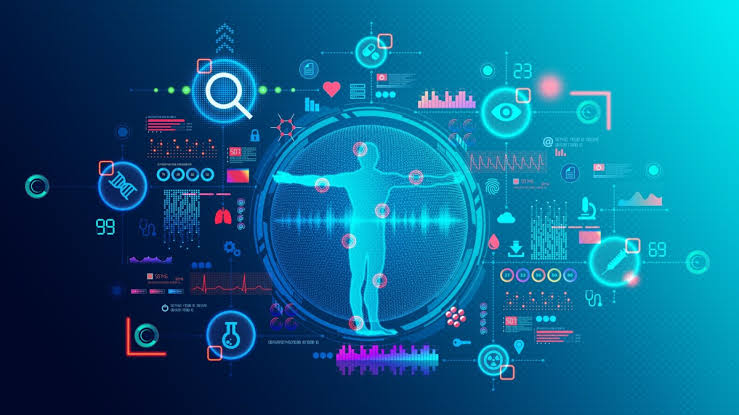
These technologies will continue improving patient satisfaction by making healthcare more efficient, personalized, and accessible.
Improving Patient Satisfaction Through Technology is transforming the way healthcare organizations deliver care and interact with patients. Digital appointment scheduling, patient portals, electronic health records, telehealth, automated reminders, and secure communication tools create more convenient, efficient, and personalized healthcare experiences. By reducing administrative burdens, improving accessibility, enhancing communication, and supporting better clinical decision-making, technology helps build stronger patient relationships and greater trust. As healthcare continues to embrace digital innovation, investing in modern technology will remain essential for delivering exceptional patient experiences and supporting long-term healthcare excellence.