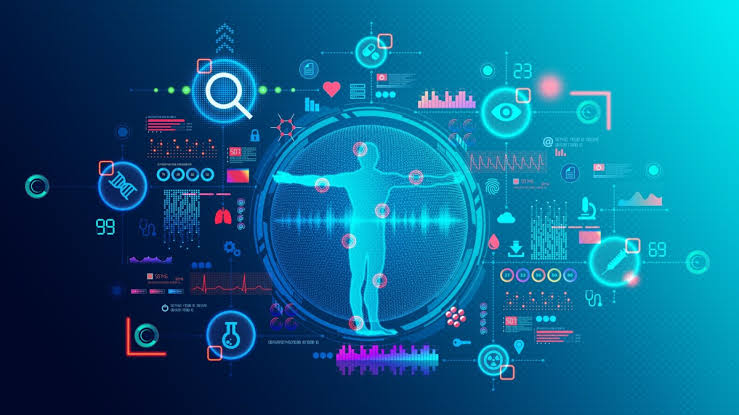

Artificial Intelligence (AI) is transforming the healthcare industry by improving the way medical professionals diagnose diseases, manage patient information, and deliver care. As healthcare systems become increasingly digital, AI is helping hospitals, clinics, diagnostic centers, and healthcare providers improve efficiency while supporting better patient outcomes. Rather than replacing healthcare professionals, AI serves as a powerful tool that enhances clinical decision-making, automates routine tasks, and enables more personalized healthcare services.
Understanding The Role of Artificial Intelligence in Healthcare highlights how advanced technologies are reshaping modern medicine. From faster diagnosis to predictive analytics and remote patient monitoring, AI is creating smarter healthcare systems that benefit both providers and patients.
Understanding Artificial Intelligence in Healthcare
Artificial intelligence refers to computer systems that can perform tasks requiring human intelligence, such as learning, analyzing information, recognizing patterns, and making predictions. In healthcare, AI processes large volumes of medical data to assist healthcare professionals in making informed decisions.
AI applications can analyze medical records, laboratory reports, imaging scans, and patient histories to provide valuable insights that support diagnosis, treatment planning, and healthcare management.
Improving Disease Diagnosis
One of the most significant contributions of AI is improving diagnostic accuracy. AI-powered systems can analyze complex medical data quickly, helping healthcare professionals identify potential health conditions earlier.
AI supports diagnosis by:
- Detecting patterns in medical images
- Assisting with laboratory result analysis
- Identifying disease risk factors
- Supporting clinical decision-making
- Reducing diagnostic errors
Early and accurate diagnosis allows healthcare providers to begin treatment sooner, improving patient outcomes.
Supporting Clinical Decision-Making
Healthcare professionals make numerous critical decisions every day. AI assists by analyzing patient information and presenting evidence-based recommendations.
Benefits include:
- Reviewing patient histories
- Identifying treatment options
- Predicting possible complications
- Highlighting medication interactions
- Supporting personalized care plans
AI provides valuable insights while allowing healthcare professionals to retain full control over clinical decisions.
Personalized Patient Care
Every patient has unique healthcare needs. AI helps create personalized treatment plans by analyzing medical history, genetic information, lifestyle factors, and previous treatment responses.
Personalized healthcare may include:
- Customized treatment recommendations
- Individual medication plans
- Preventive care strategies
- Personalized follow-up schedules
- Health risk assessments
This approach improves treatment effectiveness while enhancing patient satisfaction.
Predictive Analytics for Better Healthcare
AI uses predictive analytics to identify patterns that may indicate future health risks.
Healthcare providers can use predictive models to:
- Detect chronic disease risks
- Identify patients requiring early intervention
- Predict hospital readmissions
- Monitor disease progression
- Improve preventive healthcare
Predictive analytics allows healthcare organizations to provide proactive care rather than reacting after problems develop.
Enhancing Medical Imaging
Medical imaging generates large amounts of complex data that require careful interpretation.
AI assists radiologists by analyzing:
- X-rays
- CT scans
- MRI images
- Ultrasound images
- Mammograms
AI can highlight areas that require closer examination, helping improve diagnostic accuracy while reducing interpretation time.
Automating Administrative Tasks
Administrative responsibilities often consume valuable time that could be spent on patient care.
AI helps automate routine processes such as:
- Appointment scheduling
- Patient registration
- Medical documentation
- Billing support
- Insurance verification
- Data entry
Automation improves efficiency while reducing administrative workload.
Improving Patient Communication
Effective communication contributes significantly to patient satisfaction.
AI-powered communication tools help healthcare organizations provide:
- Appointment reminders
- Follow-up notifications
- Medication reminders
- Patient education
- General health information
Timely communication keeps patients informed and encourages better engagement throughout their healthcare journey.
Remote Patient Monitoring
AI supports remote healthcare by continuously analyzing data collected from wearable devices and remote monitoring systems.
Healthcare providers can monitor:
- Heart rate
- Blood pressure
- Blood glucose levels
- Oxygen saturation
- Physical activity
Continuous monitoring enables earlier intervention when abnormal health patterns are detected.
Electronic Health Records and AI
Electronic Health Records (EHRs) contain valuable patient information that AI can analyze to improve healthcare delivery.
AI enhances EHR systems by:
- Organizing patient information
- Identifying missing data
- Highlighting important clinical information
- Supporting treatment recommendations
- Improving documentation accuracy
These improvements make patient records more useful for healthcare professionals.
Supporting Medical Research
AI accelerates medical research by analyzing large datasets much faster than traditional methods.
Researchers use AI to:
- Study disease patterns
- Evaluate treatment effectiveness
- Identify research opportunities
- Analyze clinical trial data
- Support drug discovery
AI helps researchers make discoveries that contribute to improved healthcare worldwide.
Improving Hospital Operations
Healthcare facilities use AI to improve operational efficiency by optimizing workflows and resource management.
Applications include:
- Staff scheduling
- Bed management
- Patient flow analysis
- Inventory management
- Equipment utilization
Efficient operations reduce delays while improving the patient experience.
Strengthening Healthcare Data Security
Healthcare organizations manage sensitive patient information that requires strong protection.
AI contributes to cybersecurity by:
- Detecting unusual system activity
- Identifying potential security threats
- Monitoring network performance
- Supporting fraud detection
- Enhancing data protection
Advanced security systems help maintain patient trust and regulatory compliance.
Benefits Across Healthcare Settings
Artificial intelligence supports healthcare organizations of all sizes.
Hospitals
Hospitals use AI to improve diagnosis, patient management, workflow efficiency, and clinical decision support.
Clinics
Clinics benefit from automated scheduling, personalized care recommendations, and streamlined administrative processes.
Diagnostic Centers
AI improves image analysis, laboratory workflows, and report generation while supporting accurate diagnoses.
Specialty Healthcare Providers
Specialized healthcare practices use AI to monitor patient progress, analyze treatment outcomes, and improve care planning.
Challenges of AI in Healthcare
Although AI offers many advantages, healthcare organizations must also address several challenges, including:
- Protecting patient privacy
- Ensuring data accuracy
- Reducing algorithm bias
- Integrating AI with existing systems
- Training healthcare professionals
- Meeting regulatory requirements
Responsible implementation is essential to ensure AI supports safe, ethical, and effective healthcare delivery.
The Future of Artificial Intelligence in Healthcare
Artificial intelligence will continue to transform healthcare through innovations such as:
- Predictive healthcare analytics
- Precision medicine
- AI-assisted robotic procedures
- Advanced medical imaging
- Intelligent virtual health assistants
- Wearable health technologies
- Population health management
As AI technology continues to evolve, healthcare organizations will gain new opportunities to improve efficiency, personalize treatment, and enhance patient outcomes.
The Role of Artificial Intelligence in Healthcare continues to expand as healthcare organizations embrace digital innovation to improve patient care and operational efficiency. AI supports faster diagnoses, enhances clinical decision-making, automates routine administrative tasks, strengthens data analysis, and enables personalized treatment plans. It also plays a vital role in predictive analytics, remote patient monitoring, medical research, and healthcare cybersecurity. By combining advanced technology with the expertise of healthcare professionals, artificial intelligence is helping create more efficient, accurate, and patient-centered healthcare systems. As AI continues to evolve, it will remain a key driver of innovation, enabling healthcare providers to deliver higher-quality care and better health outcomes for patients worldwide.