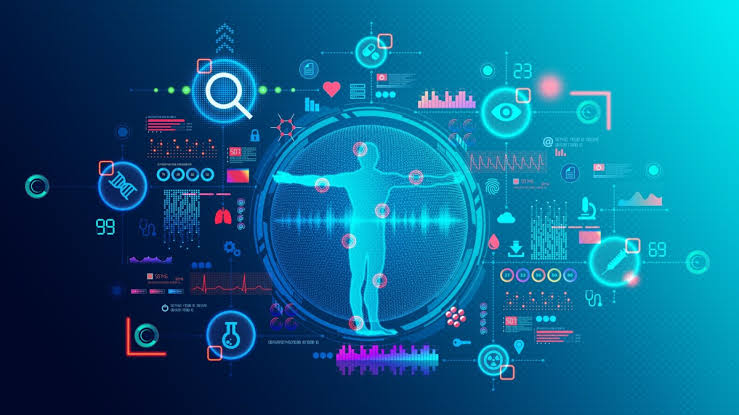

Healthcare has evolved significantly with the adoption of digital technologies, and data now plays a central role in delivering safe, efficient, and high-quality care. Every appointment, diagnosis, laboratory result, prescription, and follow-up generates valuable information that helps healthcare providers make informed decisions. As healthcare organizations continue to embrace digital transformation, effectively managing and analyzing data has become essential for improving patient outcomes and streamlining operations.
Understanding Why Data Matters in Healthcare allows hospitals, clinics, diagnostic centers, and healthcare organizations to appreciate the importance of accurate, secure, and accessible information. Proper use of healthcare data not only enhances patient care but also supports better planning, resource management, and long-term healthcare improvements.
Understanding Healthcare Data
Healthcare data includes all information collected throughout a patient’s medical journey. This information may include personal details, medical history, diagnoses, laboratory reports, imaging results, prescriptions, treatment plans, appointment records, billing information, and follow-up notes.
Digital healthcare systems organize this information in a secure environment, allowing authorized healthcare professionals to access accurate records whenever needed. Well-managed data ensures continuity of care and reduces the likelihood of medical errors.
Improving Patient Care
One of the greatest advantages of healthcare data is its ability to improve patient care. When healthcare professionals have access to complete and accurate patient records, they can make better clinical decisions and provide more effective treatment.
Benefits include:
- Faster diagnosis
- More accurate treatment planning
- Better monitoring of chronic conditions
- Improved continuity of care
- Reduced medical errors
Comprehensive patient information enables healthcare providers to understand a patient’s medical history and deliver care tailored to their specific needs.
Supporting Better Clinical Decisions
Healthcare professionals make important decisions every day that directly affect patient health. Reliable data provides the information needed to evaluate symptoms, compare previous treatments, identify allergies, and review medication history.
Data supports:
- Evidence-based medical decisions
- Accurate diagnoses
- Safe medication management
- Effective treatment recommendations
- Better follow-up planning
Having immediate access to complete medical records allows providers to make informed decisions with greater confidence.
Enhancing Patient Safety
Patient safety depends on accurate and accessible information. Missing or incomplete medical records can increase the risk of treatment errors, medication conflicts, or delayed diagnoses.
Healthcare data helps identify:
- Drug allergies
- Existing medical conditions
- Previous surgeries
- Medication interactions
- Current treatment plans
By providing healthcare professionals with comprehensive patient information, digital systems contribute to safer and more reliable care.
Improving Communication Across Healthcare Teams
Modern healthcare often involves collaboration between physicians, specialists, nurses, pharmacists, laboratories, and administrative staff.
Healthcare data enables secure information sharing, ensuring every authorized professional has access to the same patient information.
This leads to:
- Better coordination of care
- Faster referrals
- Reduced duplication of tests
- Improved treatment consistency
- More efficient patient management
Effective communication contributes to better patient experiences and improved healthcare outcomes.
Personalized Patient Care
Every patient has unique healthcare needs, and data makes personalized care possible. By analyzing medical history, lifestyle factors, previous treatments, and ongoing conditions, healthcare providers can create individualized care plans.
Examples of personalized healthcare include:
- Customized treatment plans
- Preventive care recommendations
- Personalized medication management
- Tailored follow-up schedules
- Individual health education
Personalized care improves patient satisfaction while supporting better long-term health outcomes.
Improving Healthcare Operations
Healthcare facilities manage large volumes of administrative and clinical information every day. Digital data systems help streamline operations and improve overall efficiency.
Benefits include:
- Faster patient registration
- Improved appointment scheduling
- Simplified billing
- Efficient document management
- Better resource allocation
By reducing administrative tasks, healthcare staff can devote more time to delivering quality patient care.
Supporting Preventive Healthcare
Healthcare data allows providers to identify patients who may benefit from preventive care before serious health conditions develop.
Using historical data, providers can recommend:
- Routine health screenings
- Vaccinations
- Lifestyle modifications
- Chronic disease monitoring
- Preventive check-ups
Early intervention often leads to better health outcomes and lower long-term healthcare costs.
Strengthening Public Health
Healthcare data extends beyond individual patient care. Aggregated and anonymized information helps public health organizations monitor population health trends and respond to emerging challenges.
Healthcare data supports:
- Disease surveillance
- Outbreak detection
- Vaccination programs
- Community health planning
- Resource distribution
These insights help healthcare systems prepare for future healthcare needs and improve public health initiatives.
Supporting Medical Research
Medical research depends heavily on reliable healthcare data. Researchers analyze anonymized datasets to understand diseases, evaluate treatments, and develop new medical innovations.
Healthcare data contributes to:
- Clinical research
- Treatment evaluation
- Drug development
- Disease prevention studies
- Healthcare policy improvements
Research supported by quality data drives continuous improvements in patient care.
Data Security and Privacy
Protecting patient information is one of the highest priorities in healthcare. Modern healthcare systems implement advanced security measures to safeguard sensitive data.
Security practices include:
- Data encryption
- Multi-factor authentication
- Secure cloud storage
- Access controls
- Continuous security monitoring
Strong cybersecurity protects patient privacy while ensuring healthcare organizations comply with data protection regulations.
Healthcare Analytics
Healthcare analytics converts large volumes of data into actionable insights that support better decision-making.
Organizations use analytics to monitor:
- Patient satisfaction
- Treatment outcomes
- Hospital performance
- Appointment trends
- Resource utilization
Analytics helps healthcare leaders identify opportunities for improvement while supporting strategic planning.
Artificial Intelligence and Healthcare Data
Artificial intelligence relies on healthcare data to improve medical services and operational efficiency.
AI applications include:
- Diagnostic assistance
- Medical image analysis
- Predictive analytics
- Clinical decision support
- Administrative automation
Combining AI with healthcare data enables providers to deliver faster, more accurate, and more personalized care.
Electronic Health Records
Electronic Health Records (EHRs) have transformed how healthcare organizations manage patient information.
Advantages include:
- Instant access to patient records
- Better collaboration between providers
- Reduced paperwork
- Improved documentation
- Enhanced continuity of care
Digital health records ensure patient information remains accurate, organized, and readily available when needed.
The Future of Data in Healthcare
Healthcare data will continue to shape the future of medicine through innovations such as:
- Artificial intelligence
- Machine learning
- Predictive analytics
- Remote patient monitoring
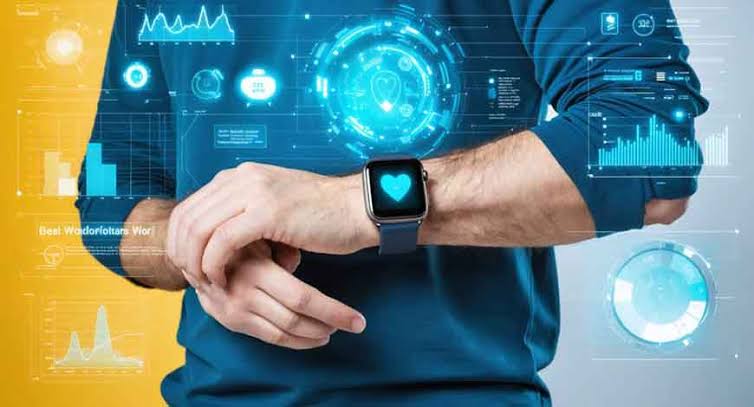
- Wearable health technology
- Cloud-based healthcare platforms
- Precision medicine
These technologies will help healthcare providers deliver more proactive, efficient, and patient-centered care.
Why Data Matters in Healthcare is evident in every stage of the patient journey. Accurate, secure, and accessible healthcare data enables better clinical decisions, enhances patient safety, improves communication, and supports personalized treatment. It also streamlines healthcare operations, strengthens medical research, and powers advanced technologies such as artificial intelligence and predictive analytics. As digital healthcare continues to evolve, organizations that effectively manage and utilize data will be better equipped to deliver high-quality care, improve patient experiences, and build a more efficient, connected, and future-ready healthcare system.