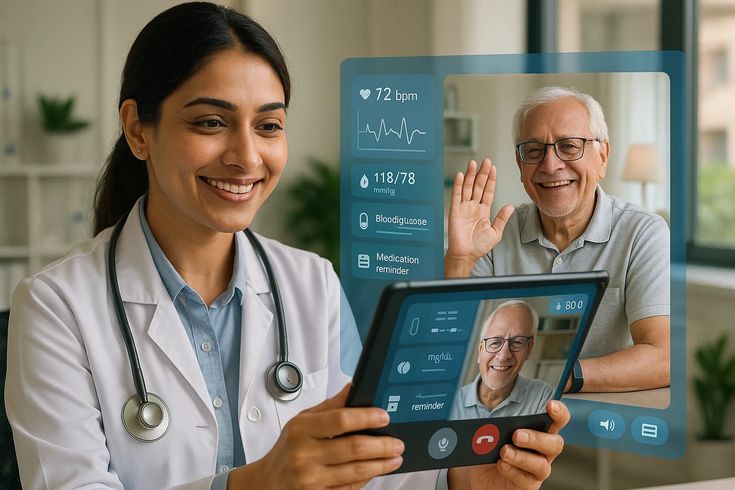


Patient follow-up is an important part of modern healthcare delivery. A patient’s care does not always end after a consultation, diagnosis, procedure, or treatment. Continued communication can help healthcare providers monitor progress, address concerns, support treatment adherence, and identify when additional care may be needed.
Following effective Best Practices for Patient Follow-Up can also improve communication between patients and healthcare teams. With digital healthcare technologies, clinics can combine traditional communication methods with automated reminders, patient portals, electronic health records, and secure messaging systems.
Create a Structured Follow-Up Process
A consistent follow-up process helps healthcare teams ensure that important patient interactions are not overlooked. The process should define when follow-up is required, who is responsible for contacting the patient, and how the interaction should be documented.
Follow-up schedules may differ depending on the patient’s condition and treatment plan. Some patients may require a short-term check-in, while others may need regular monitoring over a longer period.
A structured process allows healthcare organizations to provide more consistent care while reducing the possibility of missed follow-ups.
Communicate at the Right Time
Timing is an important part of effective patient follow-up. Contacting patients too early or too late may reduce the usefulness of the communication.
Healthcare providers can establish follow-up schedules based on the patient’s treatment, clinical requirements, and individual circumstances. Automated reminders can help patients remember appointments, medication schedules, tests, or other planned healthcare activities.
Timely communication can also give patients an opportunity to raise concerns before they become more difficult to manage.
Use Multiple Communication Channels
Patients have different communication preferences. Some may prefer phone calls, while others may find text messages, email, patient portals, or secure healthcare messaging more convenient.
Healthcare organizations can offer appropriate communication options while ensuring that sensitive medical information is shared through secure channels.
Using multiple communication methods can make it easier for patients to stay connected with their healthcare provider.
Personalize Patient Communication
Follow-up communication should be relevant to the individual patient. Generic messages may not provide the same value as communication that reflects the patient’s treatment plan and previous interaction.
For example, a follow-up message can reference an upcoming appointment, test, treatment instruction, or care milestone. Personalized communication can make patients feel that their healthcare needs are being actively monitored.
However, personalization should always be based on accurate patient information and appropriate privacy practices.
Automate Routine Follow-Up Tasks
Healthcare organizations can use automation to reduce repetitive administrative work. Automated systems can send appointment reminders, follow-up notifications, satisfaction surveys, and routine care instructions.
Automation can be particularly useful for large healthcare organizations managing many patients. It can help staff maintain consistent communication without requiring every routine message to be sent manually.
Human involvement should remain available for situations requiring clinical judgment, emotional support, or detailed discussion.
Maintain Accurate Patient Records
Effective follow-up depends on reliable patient information. Healthcare teams should document relevant communication, appointments, treatment updates, test results, and follow-up outcomes within the appropriate healthcare information system.
Accurate records help authorized healthcare professionals understand the patient’s history and provide more coordinated care.
Electronic health records and healthcare management platforms can make it easier to maintain and access relevant information while supporting appropriate access controls.
Monitor Treatment Progress
Follow-up provides an opportunity to evaluate how a patient is progressing. Depending on the care plan, providers may need to review symptoms, treatment response, test results, medication adherence, or recovery.
Regular monitoring can help healthcare professionals identify whether a treatment plan is working as expected or whether additional evaluation may be necessary.
Patients should also have clear instructions about when they should contact their healthcare provider between scheduled follow-ups.
Encourage Patient Engagement
Patient involvement is an important part of effective follow-up. Healthcare providers can encourage patients to ask questions, share concerns, follow agreed care instructions, and participate in decisions about their treatment.
Digital tools can support engagement by giving patients access to appointments, educational resources, reminders, and secure communication channels.
When patients understand their care plan, they may be better positioned to participate actively in their ongoing healthcare.
Protect Patient Privacy
Patient follow-up often involves sensitive health information. Healthcare organizations must use appropriate security and privacy measures when communicating with patients.
Secure communication platforms, controlled access, authentication, encryption, and appropriate staff training can help protect patient information.
Organizations should also establish clear policies for how patient information can be shared through different communication channels.
Gather Patient Feedback
Follow-up can also be an opportunity to understand the patient’s experience. Short surveys or feedback requests can provide useful information about communication, appointment processes, accessibility, and overall service quality.
Healthcare organizations can analyze this feedback to identify areas that need improvement.
Patient feedback should be reviewed alongside other quality measures rather than treated as the only indicator of healthcare performance.
Coordinate Follow-Up Across Healthcare Teams
Patients may receive care from multiple healthcare professionals. Effective coordination can help ensure that relevant members of the care team understand the patient’s progress and follow-up requirements.
Shared healthcare information systems can support communication between authorized professionals and reduce unnecessary duplication of information.
Clear responsibilities should be established so that patients know who to contact for different types of concerns.
Improve Follow-Up With Digital Healthcare Technology
Healthcare technology is making patient follow-up more efficient. Healthcare CRM platforms, electronic health records, patient portals, telehealth systems, secure messaging, and automated notifications can help organizations manage ongoing patient communication.
These tools can reduce administrative workload while providing patients with convenient ways to stay connected with their healthcare teams.
Technology should support—not replace—professional healthcare communication and clinical decision-making.
Building Better Patient Follow-Up
Following effective Best Practices for Patient Follow-Up can help healthcare organizations create more consistent and patient-focused care processes. Timely communication, personalized interactions, accurate documentation, automation, privacy protection, patient engagement, and coordinated care all contribute to a stronger follow-up strategy.
As healthcare becomes increasingly digital, organizations can combine technology with human-centered communication to make follow-up more organized, accessible, and responsive to patient needs.