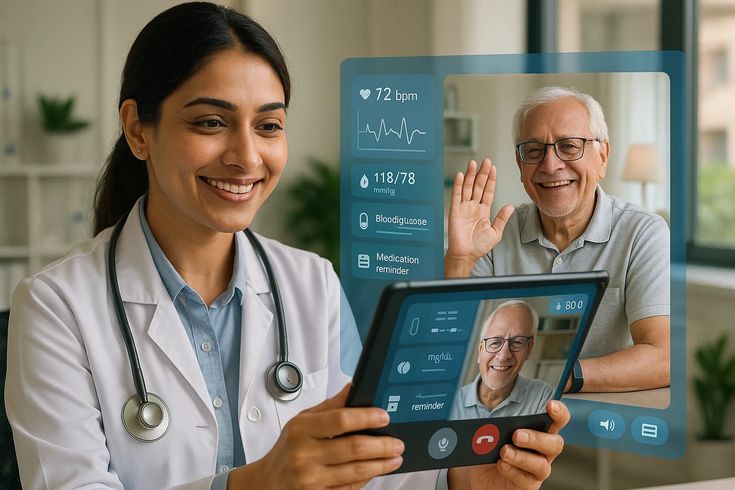


Modern healthcare is increasingly focused on more than diagnosis and treatment. Patients also expect convenient communication, personalized care, clear information, and active involvement in decisions about their health. Patient-centered healthcare approaches place the individual at the heart of the healthcare experience, helping providers deliver care that considers medical needs, preferences, values, concerns, and overall well-being.
Understanding Patient-Centered Healthcare
Patient-centered healthcare is an approach in which healthcare providers work with patients rather than simply making decisions for them. It recognizes that every patient has different needs, circumstances, expectations, and health goals.
Instead of following the same process for everyone, providers can adapt communication and treatment plans according to individual requirements. This approach encourages patients to understand their options and participate in decisions related to their care.
Improving Communication Between Patients and Providers
Clear communication is one of the most important elements of patient-centered care. Patients need understandable information about their condition, treatment options, medications, follow-up requirements, and expected outcomes.
Healthcare professionals can use simple language and encourage patients to discuss their concerns. Giving patients enough time to express themselves can also help providers understand symptoms and expectations more accurately.
Digital communication tools can further support this process by providing appointment notifications, treatment information, follow-up messages, and other relevant updates.
Personalized Care Planning
Patients may respond differently to treatments and have different health priorities. Personalized care planning allows healthcare professionals to consider these differences when developing treatment strategies.
A care plan may take into account medical history, lifestyle, preferences, existing conditions, and treatment goals. For example, a patient managing a long-term condition may benefit from a plan that combines clinical treatment with lifestyle guidance and regular monitoring.
Personalized planning can help patients feel more involved and better prepared to manage their healthcare journey.
Encouraging Shared Decision-Making
Shared decision-making allows patients and healthcare professionals to work together when selecting suitable treatment options. Providers can explain the benefits, limitations, and potential considerations of different approaches, while patients can share their preferences and priorities.
This collaborative process can help patients make informed choices. It can also strengthen trust between patients and healthcare teams because individuals feel that their opinions are being considered.
Making Healthcare More Accessible
Accessibility is another important part of patient-centered healthcare. Patients may face challenges related to location, mobility, work schedules, transportation, or communication.
Healthcare providers can improve accessibility by offering flexible appointment options, digital consultations, online scheduling, and convenient communication channels where appropriate.
Telehealth can be particularly useful for follow-up consultations and selected healthcare services, allowing patients to connect with providers without always needing to travel to a medical facility.
Using Technology to Support Patient-Centered Care
Digital healthcare technology can make patient-centered approaches easier to implement. Electronic health records can help providers access relevant patient information, while healthcare management systems can organize appointments, communication, and follow-up activities.
Patient portals and mobile applications can give individuals convenient access to appointment information, medical records, reminders, and other services.
Healthcare CRM platforms can also support personalized communication by helping practices organize patient interactions and follow-up activities in a structured way.
Strengthening Patient Engagement
Patient engagement means encouraging individuals to take an active role in their health. Providers can support engagement by offering educational resources, explaining preventive measures, and encouraging patients to follow recommended care plans.
Regular communication can also help patients stay connected with their healthcare providers. Reminders about follow-up appointments, medication schedules, screenings, or routine assessments can encourage better continuity of care.
When patients understand their healthcare needs, they may become more confident in managing their health.
Improving Continuity of Care
Patient-centered healthcare should continue beyond a single appointment. Consistent follow-up is important, particularly for patients managing chronic conditions or recovering from treatment.
Healthcare teams can use digital tools to track appointments, follow-up requirements, treatment progress, and communication. This can help ensure that important care activities are not overlooked.
Better continuity also allows providers to understand how a patient’s condition changes over time and adjust care when necessary.
Protecting Patient Privacy and Trust
Trust is essential to a strong patient-provider relationship. Healthcare organizations need to protect sensitive patient information while ensuring that authorized professionals can access the information required for care.
Secure systems, appropriate access controls, data protection practices, and responsible communication processes can help protect patient information.
When patients know that their information is handled responsibly, they may feel more comfortable communicating openly with healthcare providers.
Supporting Better Healthcare Experiences
Patient-centered healthcare is also about improving the overall experience. Shorter administrative processes, convenient appointment scheduling, clear instructions, and responsive communication can reduce unnecessary frustration.
For example, an automated reminder can help a patient remember an upcoming appointment, while an online scheduling system can reduce the need for repeated phone calls. Small improvements across the healthcare journey can make a significant difference to patient satisfaction.
The Role of Healthcare Teams
Successful patient-centered care requires collaboration across the entire healthcare organization. Doctors, nurses, administrative staff, pharmacists, technicians, and other professionals may all contribute to the patient’s experience.
When healthcare teams communicate effectively and share relevant information, patients can receive more coordinated care. Training staff in communication, empathy, privacy, and patient engagement can further strengthen the approach.
The Future of Patient-Centered Healthcare
Healthcare is moving toward increasingly connected and personalized experiences. Artificial intelligence, remote monitoring, mobile healthcare applications, digital records, and healthcare CRM systems can provide new ways to support patients throughout their care journey.
However, technology should support human-centered care rather than replace meaningful interaction. The most effective approach combines digital convenience with empathy, communication, clinical expertise, and personalized attention.
Patient-centered healthcare approaches can help medical organizations create more responsive, accessible, and coordinated healthcare experiences. By listening to patients, involving them in decisions, personalizing care, improving communication, and using technology responsibly, healthcare providers can build stronger relationships while supporting better long-term care outcomes.