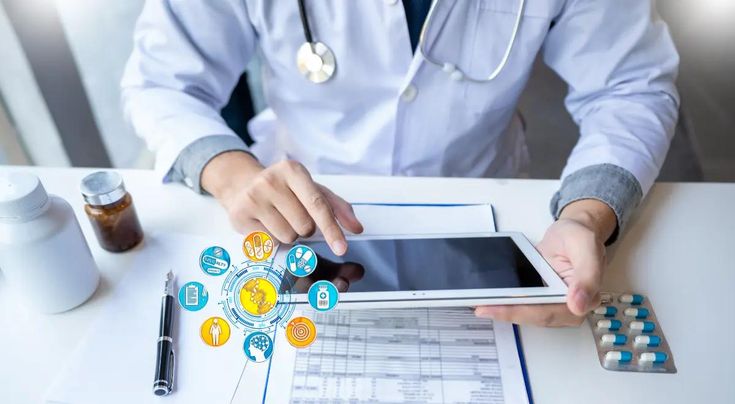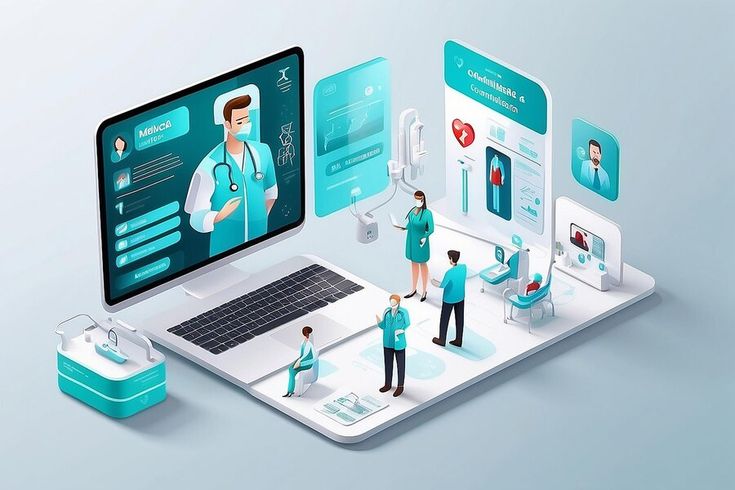


The healthcare industry is rapidly evolving with the adoption of digital technologies, and remote patient monitoring (RPM) has emerged as a critical solution for delivering continuous care outside traditional clinical settings. As RPM programs expand, managing patient data, communication, and care coordination becomes increasingly complex. This is where CRM for Remote Patient Monitoring plays a vital role. A Customer Relationship Management (CRM) system tailored for healthcare enables providers to streamline workflows, improve patient engagement, and deliver more personalized, proactive care.
Understanding Remote Patient Monitoring
Remote patient monitoring involves the use of connected medical devices and digital tools to collect patient health data such as vital signs, symptoms, and activity levels in real time. This data is transmitted to healthcare providers, allowing them to monitor patients remotely, identify potential risks early, and intervene when necessary.
RPM is widely used for managing chronic conditions, post-operative care, elderly care, and preventive health programs. However, the success of remote patient monitoring depends not only on devices and data collection but also on how effectively patient interactions and care processes are managed.
The Role of CRM in Remote Patient Monitoring
A CRM system in healthcare goes beyond traditional customer management. In the context of RPM, CRM acts as a centralized platform that organizes patient information, communication history, care plans, and engagement activities. It bridges the gap between clinical data and patient relationships, ensuring that care teams have a complete view of each patient’s journey.
CRM for remote patient monitoring helps healthcare providers manage large patient populations efficiently while maintaining a personalized approach to care.
Centralized Patient Data Management
One of the biggest challenges in RPM programs is handling data from multiple sources, including wearable devices, mobile apps, and monitoring platforms. A healthcare CRM centralizes patient data, combining clinical information, device data, communication logs, and appointment history into a single system.
This unified view allows care teams to make informed decisions quickly. Providers can track patient trends over time, identify deviations from normal patterns, and respond proactively. Centralized data management also reduces errors caused by fragmented systems and manual processes.
Enhanced Patient Engagement and Communication
Patient engagement is a key factor in the success of remote patient monitoring. CRM systems support multi-channel communication, including email, SMS, in-app notifications, and call scheduling. Automated reminders for medication, device usage, follow-ups, and virtual consultations help patients stay compliant with their care plans.
CRM for remote patient monitoring also enables personalized communication based on patient conditions, risk levels, and behavior. Tailored messages and educational content improve understanding, encourage self-care, and strengthen patient-provider relationships.
Care Coordination and Workflow Automation
Remote patient monitoring often involves multiple stakeholders, including physicians, nurses, care coordinators, and technical support teams. CRM platforms streamline care coordination by automating workflows and task assignments.
For example, when a patient’s vital signs cross predefined thresholds, the CRM can trigger alerts, assign tasks to clinicians, and document actions taken. Automated workflows reduce response times, minimize manual effort, and ensure consistent care delivery across the RPM program.
Improved Monitoring and Follow-Up
CRM systems support structured follow-up processes that are essential for effective RPM. Providers can schedule regular check-ins, track patient responses, and document outcomes within the CRM. This ensures no patient is overlooked, especially in large-scale monitoring programs.
By integrating CRM with RPM devices and analytics tools, healthcare teams can prioritize high-risk patients and focus resources where they are needed most. This targeted approach improves clinical outcomes and optimizes care delivery.
Data Analytics and Reporting
Data-driven decision-making is a major advantage of using CRM for remote patient monitoring. CRM platforms offer reporting and analytics features that help providers measure program performance, patient engagement levels, and clinical outcomes.
Insights gained from CRM analytics can identify trends such as reduced hospital readmissions, improved medication adherence, or increased patient satisfaction. These insights support continuous improvement and help healthcare organizations demonstrate the value of their RPM initiatives.
Compliance, Security, and Privacy
Healthcare CRMs designed for remote patient monitoring prioritize data security and regulatory compliance. They support access controls, audit trails, and secure data storage to protect sensitive patient information.
Compliance with healthcare regulations and data protection standards is essential for maintaining trust and ensuring ethical use of patient data. A well-implemented CRM helps organizations manage consent, documentation, and privacy requirements effectively.
Scalability for Growing RPM Programs
As remote patient monitoring programs grow, scalability becomes a critical concern. CRM systems provide the flexibility to onboard new patients, integrate additional devices, and expand care teams without disrupting existing operations.
CRM for remote patient monitoring supports long-term scalability by standardizing processes, enabling automation, and ensuring consistent patient experiences across different care programs and locations.

Supporting Value-Based Care Models
The shift toward value-based care emphasizes outcomes, patient satisfaction, and cost efficiency. CRM systems align well with this model by enabling proactive care, continuous engagement, and outcome tracking.
By supporting personalized care plans and timely interventions, CRM-driven RPM programs reduce hospital admissions, improve chronic disease management, and enhance overall care quality.