
Data Security & Compliance in Healthcare CRM
As healthcare organizations continue embracing digital transformation, Customer Relationship Management (CRM) platforms have become essential tools for improving patient engagement,

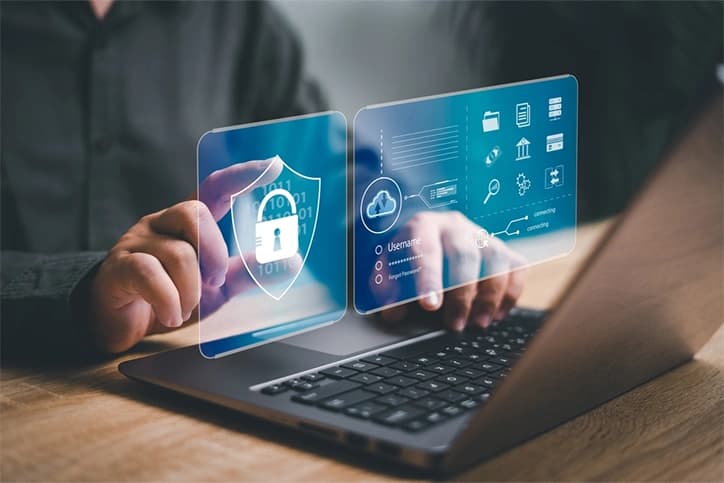
As healthcare organizations continue embracing digital transformation, Customer Relationship Management (CRM) platforms have become essential tools for improving patient engagement, centralizing data, automating workflows, and enhancing care delivery. But with this massive shift to digital systems comes an even greater responsibility: ensuring Data Security & Compliance in Healthcare CRM.
Healthcare data is extremely sensitive, and any breach or misuse can lead to legal penalties, financial loss, and damage to patient trust. This is why healthcare providers must prioritize security, privacy, and compliance when implementing or managing CRM systems.
1. Why Data Security Matters in Healthcare CRM
Healthcare CRM platforms store and process a wide range of personal data, including:
- Patient demographics
- Medical history
- Appointment records
- Prescription information
- Communication logs
- Insurance details
- Billing and payment records
This makes healthcare CRM systems a prime target for cyberattacks. Cybercriminals value medical data because it contains complete identity profiles that can be used for insurance fraud, blackmail, or illegal sales on the dark web.
Prioritizing data security is essential not only for protecting patients but also for maintaining legal compliance, avoiding operational disruptions, and safeguarding a healthcare organization’s reputation.
2. Key Components of Healthcare Data Compliance
When discussing Data Security & Compliance in Healthcare CRM, it’s important to understand the regulations designed to protect patient information.
Major compliance frameworks include:
- HIPAA (Health Insurance Portability and Accountability Act) – U.S. regulation governing patient data privacy and security
- GDPR (General Data Protection Regulation) – applies to organizations handling data of EU citizens
- HITECH Act – encourages secure electronic health record adoption
- Local health data regulations – vary by country and region
Compliance ensures that healthcare CRM systems maintain confidentiality, integrity, and availability of patient data at all times.
3. Protecting Data Through Strong Encryption
Encryption is one of the most effective tools in securing sensitive patient information. Healthcare CRM platforms must use encryption both in transit and at rest.
Encryption helps by:
- Preventing unauthorized access to patient data
- Securing communication between devices, apps, and networks
- Reducing risks in case a device or server is compromised
- Ensuring that even internal access is controlled and monitored
Without strong encryption protocols, patient data becomes vulnerable to interception, hacking, and exploitation.
4. Access Control and Role-Based Permissions
Not every staff member needs access to all patient data. Proper access control mechanisms are essential for ensuring compliance and preventing misuse.
Effective access control includes:
- Role-based access levels (doctor, nurse, admin, billing staff, etc.)
- Multi-factor authentication (MFA)
- Tracking and monitoring user activity
- Automatic logout timers
- Limited privileges based on job responsibilities
By limiting access to only what is necessary, healthcare organizations reduce internal risks and improve accountability.
5. Ensuring Secure Data Storage and Backup
Healthcare CRM systems must store patient data securely while maintaining availability for clinicians who need timely access to information. This requires secure cloud-based systems or protected on-premises servers.
Key storage practices involve:
- Regular backups to prevent data loss
- Redundant servers to maintain uptime
- Disaster recovery plans
- Secure data centers with compliance certifications
- Protection against malware and ransomware attacks
A strong data storage strategy ensures that patient information remains safe, accessible, and recoverable.
6. Safeguarding Telehealth and Remote Access
As telehealth and remote clinics become more common, secure data access from outside the clinic environment becomes critical.
Secure remote access involves:
- VPN connections
- Encrypted communication channels
- Secure login for telehealth platforms
- Authentication tools for both patients and providers
Ensuring secure telehealth operations is a major part of maintaining Data Security & Compliance in Healthcare CRM in a digital-first world.
7. Continuous Monitoring and Threat Detection
Cybersecurity threats evolve rapidly. Healthcare organizations must actively monitor CRM systems for suspicious activity.
Monitoring tools include:
- Intrusion detection systems (IDS)
- Automated alerts for unusual login attempts
- Real-time analytics for identifying anomalies
- Regular vulnerability assessments
Continuous monitoring enables early detection of threats, preventing potential breaches before they cause harm.
8. Regular Audits and Compliance Reviews
Meeting compliance standards is not a one-time task. Healthcare organizations should conduct regular audits to ensure that their CRM systems adhere to both internal policies and official regulations.
Audit activities include:
- Reviewing access logs
- Updating software and security patches
- Checking permission settings
- Testing data recovery systems
- Updating policies based on new regulations
Regular audits create a culture of responsibility and continuous improvement.
9. Patient Consent and Transparency
Patients must have full clarity on how their data is collected, used, and stored. Ethical data practices require transparency.
Best practices include:
- Clear consent forms
- Patient control over data-sharing preferences
- Easy access to data use policies
- Honesty about the role of AI and automation
Transparency builds trust and ensures compliance with global privacy regulations.
10. Training Staff to Maintain Data Security
A healthcare CRM is only as secure as the people using it. Human error remains one of the biggest causes of data breaches.
Essential training topics include:
- Recognizing phishing attacks
- Handling sensitive patient data
- Following access control protocols
- Updating passwords regularly
- Reporting suspicious activity
When staff understand their responsibilities, compliance becomes a shared effort.
Conclusion
Data Security & Compliance in Healthcare CRM is both a legal requirement and a moral obligation. With healthcare systems holding highly sensitive patient information, building a strong security framework is essential for trust, safety, and long-term success.
By implementing encryption, access controls, continuous monitoring, staff training, transparent consent, and regular audits, healthcare organizations can protect patient data while benefiting from the efficiency and innovation CRM platforms offer.
As digital healthcare continues to grow, safeguarding patient information must remain at the core of every CRM strategy—ensuring that technology serves patients responsibly, securely, and ethically.
The Doctorna editorial desk writes about healthcare operations, patient experience and the systems clinics use to connect them.