
Healthcare is undergoing significant changes as technology becomes increasingly integrated into clinical care, administration, communication, and patient services. From artificial intelligence and telemedicine to electronic health records and connected medical devices, digital technologies are helping healthcare organizations improve efficiency and create more convenient patient experiences.
Understanding the latest Digital Transformation Trends in Healthcare can help hospitals, clinics, medical centers, and healthcare professionals prepare for changing patient expectations while improving operational and clinical workflows.
Artificial Intelligence in Healthcare
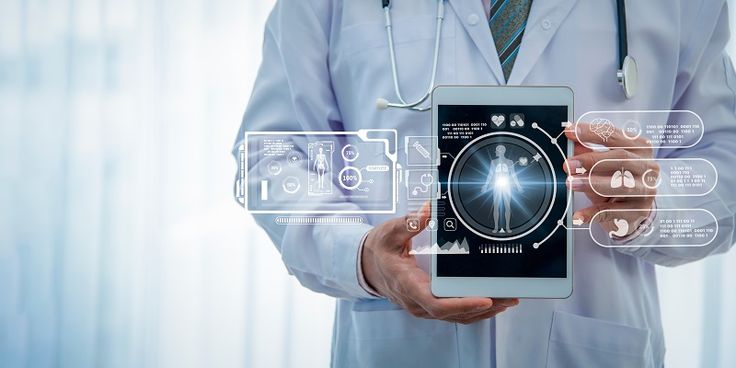
Artificial intelligence is becoming an important technology across different areas of healthcare. AI can assist with data analysis, administrative automation, clinical decision support, medical imaging, and patient communication.
Machine learning systems can process large amounts of information and identify patterns that may support healthcare professionals in decision-making. AI-powered tools can also help automate repetitive administrative tasks, allowing staff to focus more on patient-facing responsibilities.
AI should complement professional medical judgment rather than replace qualified healthcare professionals.
Telemedicine and Virtual Healthcare
Telemedicine has become an important part of modern healthcare delivery. Patients can communicate with healthcare professionals through video consultations, secure messaging, and other digital channels without always needing to visit a physical facility.
Virtual healthcare can improve access for patients who live far from healthcare facilities or have difficulty attending in-person appointments. It can also support follow-up consultations, routine monitoring, and certain types of remote care.
Electronic Health Records
Electronic health records have transformed the way patient information is stored and accessed. Digital records can organize medical histories, medications, test results, diagnoses, and treatment information in a structured format.
When healthcare systems are properly integrated, authorized professionals can access relevant information more efficiently. This can reduce reliance on paper records and improve information sharing across departments and care settings.
Remote Patient Monitoring
Connected devices and wearable technologies are creating new opportunities for remote patient monitoring. Depending on the condition and technology involved, devices can collect information such as heart rate, blood pressure, blood glucose, oxygen levels, or activity patterns.
Healthcare teams can use appropriate monitoring systems to track patient information remotely and identify changes that may require attention.
Remote monitoring can be particularly useful for chronic disease management and post-treatment follow-up when clinically appropriate.
Wearable Healthcare Technology
Wearable devices are becoming increasingly popular for health and wellness tracking. Smartwatches and other connected devices can collect various health-related measurements and activity information.
In healthcare settings, appropriately validated wearable technology may support monitoring and data collection. Integration with healthcare platforms can make relevant information more accessible to patients and professionals.
However, wearable data should be interpreted carefully and does not necessarily replace clinical assessment.
Healthcare Automation
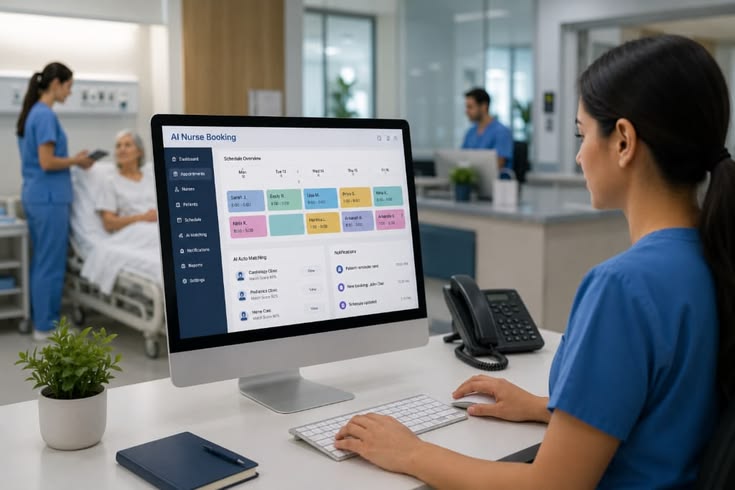
Automation is helping healthcare organizations reduce repetitive administrative work. Appointment scheduling, reminders, billing workflows, document management, registration, and communication can be partially automated through digital systems.
Automation can reduce manual workload, improve consistency, and allow healthcare staff to spend more time on tasks requiring human interaction and professional expertise.
Patient-Centric Digital Experiences
Modern patients increasingly expect healthcare services to be convenient and accessible. Digital transformation is therefore shifting healthcare toward more patient-centric experiences.
Patient portals and mobile applications can allow users to access appointments, medical information, prescriptions, test results, invoices, educational resources, and communication tools from one platform.
Providing convenient digital services can improve engagement and make healthcare interactions easier to manage.
Cloud-Based Healthcare Systems
Cloud technology is becoming increasingly relevant to healthcare organizations. Cloud-based systems can provide flexible access to applications and data while supporting collaboration between authorized users.
Healthcare organizations can use cloud platforms for applications such as electronic records, analytics, communication, backups, and administrative systems.
Cloud adoption should be accompanied by appropriate security, privacy, access control, and regulatory considerations.
Healthcare Data Analytics
Healthcare organizations generate large amounts of information every day. Data analytics can help transform this information into useful insights.
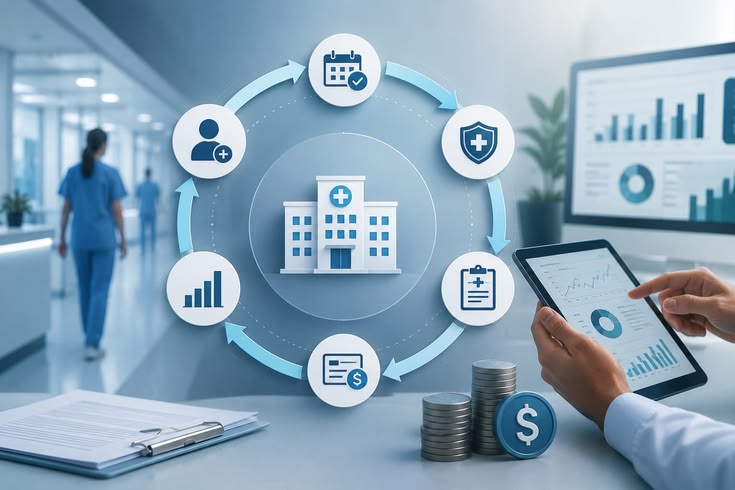
Analytics can support areas such as operational planning, resource management, patient flow, service utilization, and quality improvement. Advanced analytics can also help organizations identify trends and make more informed decisions.
The quality and reliability of insights depend on accurate data, appropriate analytical methods, and responsible data management.
Interoperability and Connected Systems
Healthcare organizations often use multiple digital platforms. Interoperability allows different systems to exchange and use information more effectively.
Connected systems can help reduce information silos and improve coordination between departments, providers, laboratories, pharmacies, and other healthcare services.
Standards-based integration can support more efficient information exchange while maintaining appropriate privacy and security controls.
Cybersecurity and Data Protection
As healthcare becomes more digital, cybersecurity is increasingly important. Healthcare organizations manage sensitive patient and operational information, making strong security practices essential.
Modern digital transformation strategies should include secure authentication, access management, encryption, monitoring, backups, software updates, staff training, and incident response planning.
Protecting healthcare information helps maintain patient trust and supports compliance with applicable privacy and security requirements.
Personalized Healthcare
Digital technologies are creating opportunities for more personalized healthcare experiences. Data from health records, monitoring devices, patient preferences, and other appropriate sources can help healthcare organizations understand individual needs.
Personalized digital communication can include relevant reminders, educational resources, follow-up information, and care-management support.
The use of personal health information should always follow applicable privacy, consent, and ethical requirements.
Future of Healthcare Digital Transformation
Healthcare digital transformation will continue to evolve as technologies become more connected and intelligent. Artificial intelligence, automation, remote monitoring, cloud platforms, data analytics, and mobile healthcare solutions are likely to remain important areas of development.
Successful transformation is not simply about adopting the newest technology. Healthcare organizations need to evaluate whether a solution improves patient care, operational efficiency, accessibility, security, and overall value.
The latest Digital Transformation Trends in Healthcare are changing how healthcare organizations deliver services, manage information, communicate with patients, and improve operational efficiency. Technologies such as AI, telemedicine, electronic health records, remote monitoring, automation, cloud computing, and data analytics are creating new possibilities across the healthcare ecosystem.
For healthcare organizations, successful digital transformation requires a balanced approach that combines technology with patient needs, professional expertise, security, privacy, and sustainable implementation. By adopting practical digital solutions strategically, healthcare providers can build more connected, efficient, and patient-focused healthcare environments.