

Healthcare organizations are increasingly adopting digital technologies to improve patient care, simplify administrative processes, and manage information more efficiently. Traditional systems that depend heavily on local servers and manual processes can create limitations as clinics grow. Cloud technology provides a more flexible approach to managing healthcare operations.
Understanding Why Cloud-Based Clinic Software Is the Future can help clinics recognize how modern digital platforms can support accessibility, scalability, collaboration, security, and operational efficiency.
Understanding Cloud-Based Clinic Software
Cloud-based clinic software stores and processes information using secure cloud infrastructure rather than relying entirely on computers or servers located within the clinic.
Authorized users can access the system through supported devices and secure internet connections. Depending on the platform, cloud-based clinic software may include appointment management, patient records, billing, communication, reporting, and other healthcare workflows.
This approach allows different functions to be managed through a connected digital environment.
Access Information From Different Locations
One of the major advantages of cloud-based systems is accessibility. Authorized healthcare staff can access relevant information from different locations without being tied to a specific computer in the clinic.
This can be useful for clinics with multiple branches, healthcare professionals working across locations, or administrative teams that need remote access.
Secure access controls should always be implemented to ensure that only authorized users can view or modify information.
Improved Collaboration
Healthcare delivery often involves multiple professionals and departments. Cloud-based software can make it easier for authorized users to share relevant information within a connected system.
For example, administrative staff may manage appointments while healthcare professionals access relevant patient information during consultations.
Improved access to shared information can reduce communication gaps and help teams coordinate workflows more effectively.
Reduced Infrastructure Requirements
Traditional software systems may require businesses to purchase, maintain, and upgrade physical servers and related infrastructure.
Cloud-based solutions can reduce the need for organizations to manage as much on-site hardware. Cloud infrastructure is generally maintained by the service provider, depending on the agreement and system architecture.
This can simplify technology management and allow clinics to focus more resources on healthcare operations.
Scalability for Growing Clinics
Healthcare organizations may grow by adding new providers, services, patients, or locations. Technology systems need to support this growth without becoming difficult to manage.
Cloud-based clinic software can provide scalable infrastructure that can adapt to changing requirements. Clinics may be able to add users, modules, locations, or functionality as their operations expand.
Scalability makes cloud technology particularly useful for growing healthcare organizations.
Better Appointment Management
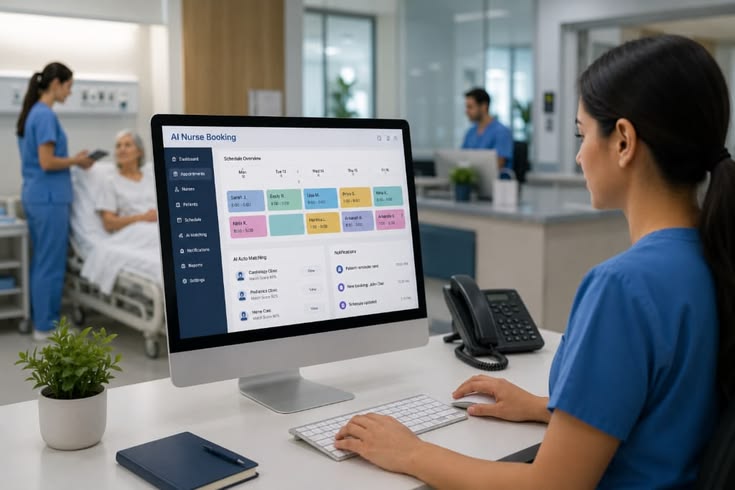
Appointment scheduling is a core administrative function for clinics. Cloud-based software can provide centralized appointment management, allowing authorized staff to manage schedules and patient bookings through a connected system.
Features may include appointment reminders, cancellations, rescheduling, provider calendars, and automated notifications.
Efficient scheduling can help reduce administrative workload and improve convenience for patients.
Integrated Patient Records
Cloud-based clinic software can help organize patient information within a centralized digital environment. Depending on the system, records may include medical histories, consultation notes, prescriptions, test information, and other relevant data.
Having information available through an integrated platform can help authorized healthcare professionals access relevant records more efficiently.
The system should include appropriate privacy and security controls to protect patient information.
Improved Patient Communication
Modern patients expect convenient communication from healthcare providers. Cloud-based platforms can support automated reminders, appointment confirmations, follow-up messages, and other communications.
Some systems may also integrate with email, SMS, messaging platforms, or patient portals.
Effective digital communication can reduce missed appointments and help patients stay informed throughout their healthcare journey.
Automation of Routine Tasks
Administrative teams often manage repetitive activities such as appointment confirmations, billing processes, reminders, data entry, and reports.
Cloud-based clinic software can automate some of these workflows. Automation can reduce manual work, improve consistency, and help staff focus on tasks that require human attention.
The level of automation depends on the features and configuration of the software.
Data and Reporting
Healthcare organizations need accurate information to manage their operations. Cloud-based systems can provide dashboards and reporting tools that help clinics monitor relevant business and operational metrics.
Reports may cover appointment volumes, revenue, patient engagement, service utilization, or other areas supported by the software.
These insights can help clinic managers make more informed operational decisions.
Security and Data Protection
Security is one of the most important considerations when adopting cloud-based healthcare software. Healthcare systems can contain sensitive patient and business information.
A suitable platform should support security measures such as encryption, authentication, role-based access controls, backups, audit logs, and secure infrastructure.
Clinics should also evaluate the provider’s security practices and ensure that the system supports applicable healthcare and privacy requirements.
Cost Efficiency
Cloud-based software can offer a different cost structure compared with traditional on-premise systems. Clinics may avoid some of the costs associated with purchasing and maintaining physical servers.
Depending on the provider, cloud software may operate through subscription-based pricing, allowing organizations to pay according to their selected plan or usage.
Clinics should evaluate total costs, including implementation, training, integrations, support, and future upgrades.
Automatic Updates and Maintenance
Software needs regular updates to remain secure and compatible with changing technologies. With many cloud-based solutions, updates and infrastructure maintenance are handled by the service provider.
This can reduce the technical workload for clinic staff and help organizations access new features and improvements without managing every update manually.
Supporting Multi-Location Healthcare
Healthcare organizations with multiple branches can benefit from centralized cloud platforms. Authorized users can work with shared systems while maintaining appropriate access controls for different locations and roles.
Centralized management can help organizations standardize workflows, reporting, communication, and administrative processes across branches.
The Future of Clinic Management
The future of healthcare management is likely to involve increasingly connected digital systems. Cloud platforms can provide the foundation for integrations with telemedicine, mobile applications, analytics, artificial intelligence, patient engagement tools, and other healthcare technologies.
As patient expectations and healthcare workflows continue to evolve, flexible digital infrastructure can help clinics adapt more effectively.
Why Cloud-Based Clinic Software Is the Future can be understood through its ability to provide accessibility, scalability, automation, centralized information, collaboration, and flexible digital infrastructure. Cloud-based systems can help clinics manage appointments, patient information, communication, billing, reporting, and other workflows through a connected platform.
For healthcare organizations planning their digital strategy, adopting the right cloud-based clinic software can support operational efficiency and future growth. The most effective solution should combine usability, scalability, security, integration capabilities, and reliable support while meeting the specific requirements of the healthcare organization.