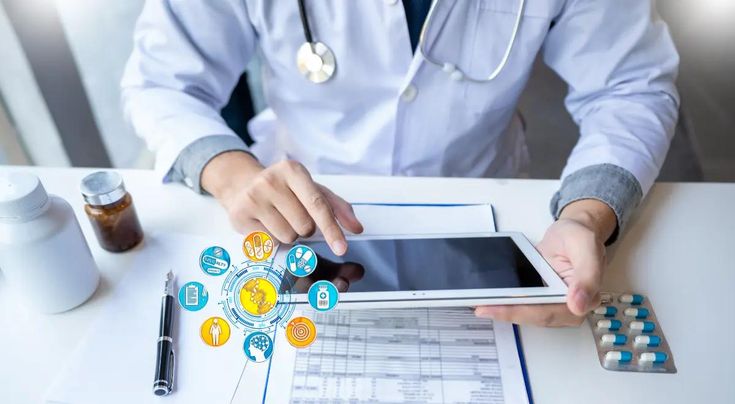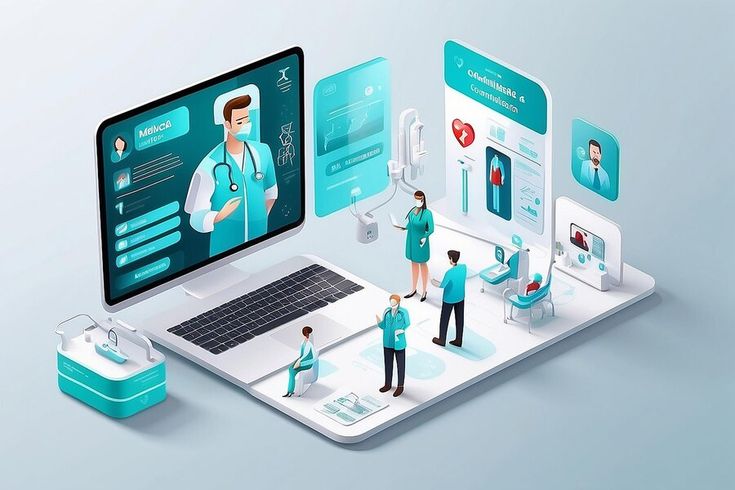

In today’s fast-paced healthcare environment, patient expectations are evolving rapidly. They now seek convenience, timely communication, and personalized care. To meet these expectations, clinics and healthcare providers are increasingly turning to telehealth solutions integrated with healthcare CRM (Customer Relationship Management) systems. This combination is transforming traditional healthcare delivery, enhancing clinic efficiency, and improving patient outcomes.
The Rise of Telehealth in Modern Clinics
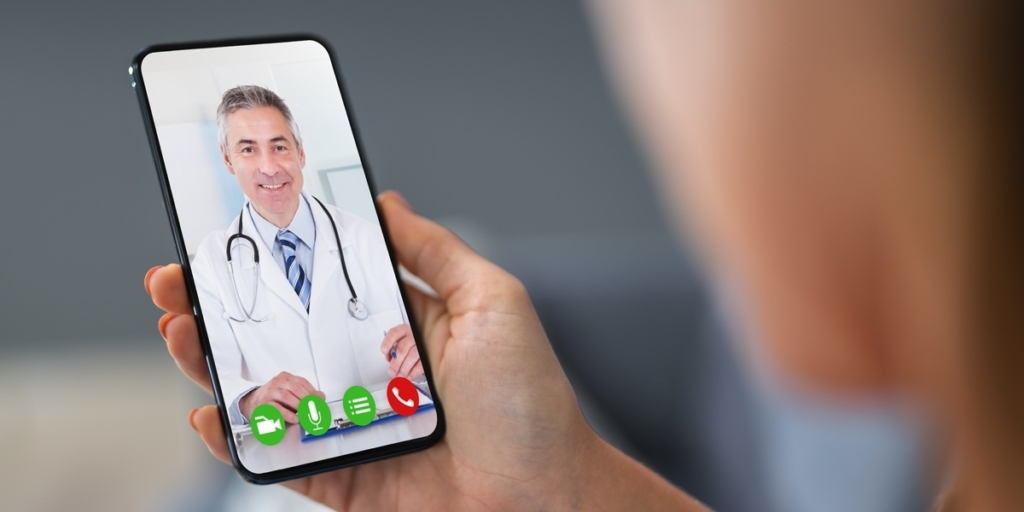
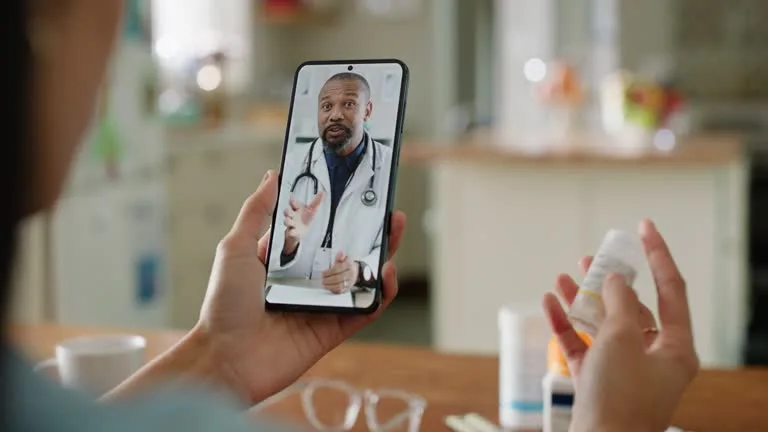
Telehealth, once considered a futuristic concept, has now become a mainstream healthcare service. By leveraging digital communication tools, telehealth allows patients to consult healthcare providers remotely via video calls, phone consultations, and secure messaging platforms. This approach significantly reduces the need for in-person visits, especially for routine check-ups, chronic condition monitoring, and post-treatment follow-ups.
The global pandemic accelerated telehealth adoption, and today it continues to grow as patients value the convenience, safety, and accessibility it offers. However, while telehealth bridges the physical gap between patients and providers, managing patient information efficiently remains a challenge. This is where healthcare CRM systems play a critical role.
Healthcare CRM: Revolutionizing Patient Management
A healthcare CRM system is designed to manage patient relationships by centralizing data, streamlining communications, and improving patient engagement. Unlike traditional EMR (Electronic Medical Record) systems, which primarily store clinical data, healthcare CRM focuses on building meaningful interactions with patients. Key benefits include:
- Centralized Patient Data: All patient interactions, appointments, medical history, and communication records are stored in one secure system.
- Personalized Care Plans: CRMs allow clinics to tailor treatment plans and follow-ups based on individual patient needs.
- Automated Reminders: Patients receive timely notifications about appointments, medication schedules, and wellness tips, reducing no-shows and improving compliance.
- Data-Driven Insights: Advanced analytics help providers understand patient behavior, predict trends, and make informed clinical decisions.
By integrating CRM with telehealth, clinics can now manage virtual consultations while maintaining a comprehensive understanding of each patient’s journey.
How Telehealth and Healthcare CRM Work Together
When telehealth meets healthcare CRM, clinics can deliver a seamless, personalized experience that benefits both patients and providers. Here’s how the integration enhances clinic care:
1. Streamlined Appointment Scheduling
Telehealth platforms integrated with healthcare CRM allow patients to book virtual consultations with ease. The CRM tracks all appointments, sending automated reminders and follow-ups. This reduces administrative workload and ensures patients stay engaged in their care.
2. Enhanced Patient Engagement
Healthcare CRM systems capture detailed patient profiles, including communication preferences, medical history, and past interactions. By combining this data with telehealth tools, providers can offer personalized consultations, targeted wellness programs, and follow-up care tailored to each patient’s needs.
3. Efficient Remote Monitoring
Chronic diseases such as diabetes, hypertension, and heart conditions require regular monitoring. Telehealth allows patients to report their vitals remotely, while the CRM system tracks and analyzes these readings. Providers can intervene proactively, preventing complications and reducing hospital readmissions.
4. Improved Communication Across Channels
Telehealth integrated with CRM supports multi-channel communication—emails, SMS, push notifications, and in-app messages. Patients can ask questions, receive lab results, or schedule appointments without leaving their homes, creating a continuous care loop that strengthens the patient-provider relationship.
5. Data Security and Compliance
Healthcare CRM systems are designed to comply with strict data protection regulations such as HIPAA. When combined with secure telehealth platforms, sensitive patient information is encrypted, ensuring privacy while facilitating efficient care delivery.
Real-World Impact: Telehealth Meets CRM
Clinics that have adopted this integrated approach report measurable improvements in patient satisfaction and operational efficiency. Patients appreciate the convenience of virtual consultations, while providers benefit from streamlined workflows and better data management.
For instance, a clinic using telehealth with a CRM system can automatically track a patient’s follow-up needs after surgery, send reminders for medication, and schedule virtual check-ins. This proactive approach minimizes gaps in care, increases adherence to treatment plans, and ultimately enhances patient outcomes.
The Future of Clinic Care
As technology continues to advance, the synergy between telehealth and healthcare CRM will become even more critical. Artificial intelligence (AI) and machine learning can further enhance predictive analytics, enabling clinics to anticipate patient needs and deliver hyper-personalized care.
Moreover, as patients become more digitally savvy, telehealth and CRM systems will serve as the backbone for a patient-centric care model, improving accessibility, efficiency, and satisfaction. Clinics that embrace this integrated approach are not just keeping pace with technological trends—they are setting new standards for patient care.
Conclusion
The integration of telehealth and healthcare CRM is transforming how clinics operate, making care more personalized, efficient, and accessible. From streamlined appointment scheduling to enhanced patient engagement and data-driven decision-making, this synergy empowers clinics to deliver high-quality care in a rapidly evolving healthcare landscape.
For healthcare providers aiming to enhance clinic care, adopting telehealth in tandem with a robust healthcare CRM system is no longer optional—it’s a necessity. By leveraging these technologies, clinics can improve patient outcomes, reduce administrative burden, and create a more connected, patient-focused healthcare experience.