
Enhancing Elderly Patient Care with Healthcare CRM Solutions
As the global elderly population grows, healthcare providers face increasing pressure to deliver personalized, efficient, and compassionate care. Older adults

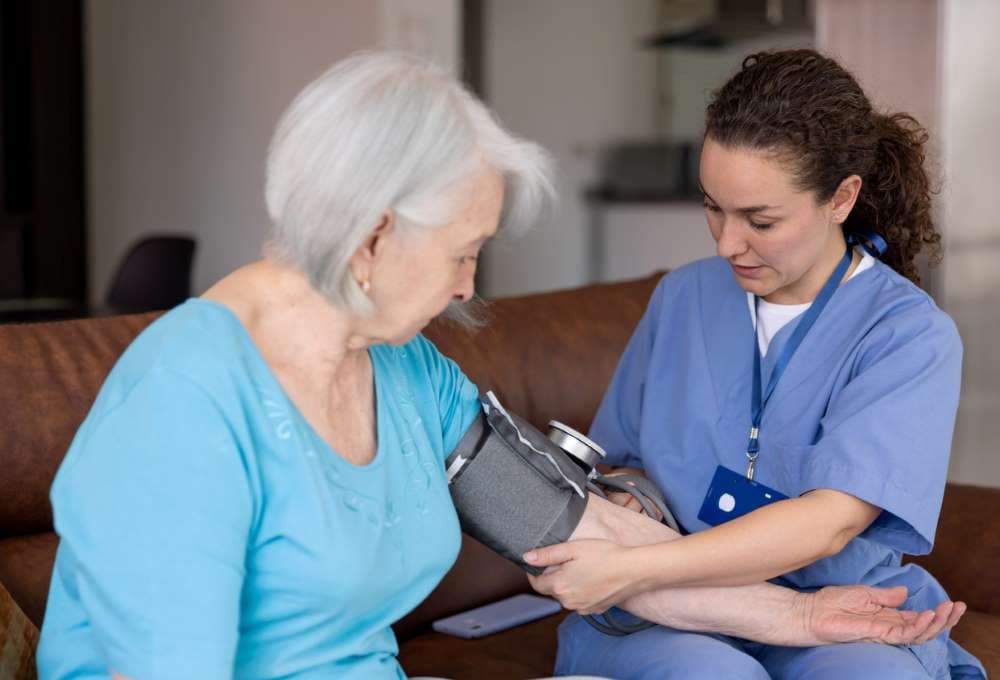
As the global elderly population grows, healthcare providers face increasing pressure to deliver personalized, efficient, and compassionate care. Older adults often require ongoing monitoring, frequent medical appointments, and coordinated communication between caregivers, specialists, and family members. This is where Enhancing Elderly Patient Care with Healthcare CRM Solutions becomes essential. A Healthcare Customer Relationship Management (CRM) system empowers providers to manage patient data intelligently, improve communication, and streamline care delivery—ultimately contributing to better health outcomes and improved quality of life for elderly patients.
Understanding the Unique Needs of Elderly Patients
Elderly patients typically deal with multiple chronic conditions, mobility limitations, cognitive challenges, and increased dependency on caregivers. Traditional manual systems often result in fragmented data, miscommunication, and slow response times. A healthcare CRM addresses these issues by offering a centralized platform to store patient histories, clinical notes, appointment records, medication schedules, and care plans.
With insights available at a glance, clinicians can make better decisions and provide more personalized care. Whether it’s adjusting medication based on real-time data or scheduling follow-ups automatically, the CRM becomes the backbone of elderly patient management.
1. Centralized Data Management for Better Continuity of Care
Continuity of care is vital for aging adults, especially those managing chronic illnesses. CRM platforms consolidate patient information—from medical history to lifestyle data—in one secure location. This holistic view helps healthcare professionals:
- Monitor long-term health trends
- Track medication adherence
- Evaluate risk factors
- Update care plans seamlessly
Centralized records reduce duplication, prevent errors, and ensure any provider accessing the patient profile has up-to-date information. For seniors who regularly visit multiple specialists, this unified data ecosystem significantly improves care coordination.
2. Improved Communication Between Providers, Patients, and Caregivers
One of the major advantages of Enhancing Elderly Patient Care with Healthcare CRM Solutions is the ability to facilitate smoother communication. Many elderly patients rely on family members or professional caregivers to help manage their health. CRM systems include communication gateways such as:
- Secure messaging portals
- Automated reminders
- Appointment notifications
- Escalation alerts for critical updates
This ensures that caregivers and family members stay well-informed. Providers can send reminders about medications, therapy sessions, or rehabilitation exercises. When communication becomes clear and consistent, elderly patients experience reduced confusion and better adherence to medical instructions.
3. Personalized Care Plans for Age-Specific Needs
Elderly patients have diverse health needs. Some require ongoing treatment for chronic diseases like diabetes or hypertension, while others need support for cognitive conditions or mobility issues. CRM solutions enable healthcare teams to create tailored care plans that accommodate these unique challenges.
A CRM can help by:
- Tracking vital signs through wearable integrations
- Adjusting care plans based on patient response
- Setting automated alerts for abnormalities
- Monitoring progress through dashboards
Personalized care improves patient satisfaction, enhances recovery rates, and reduces unnecessary hospital visits.
4. Streamlined Appointment Scheduling and Follow-Ups
Missed appointments can cause complications, especially for the elderly. With the help of CRM automation, scheduling becomes effortless. The system can send reminders via SMS, email, or portal notifications. If a patient cancels or forgets, the CRM automatically suggests the next available slot.
Additionally, providers can schedule routine check-ups and follow-up sessions in advance, reducing delays in care. For homebound seniors, the CRM can also coordinate home visit schedules for nurses or caregivers, ensuring timely care delivery.
5. Medication Management and Adherence Support
Medication errors are common among elderly patients due to forgetfulness, complex prescriptions, or confusion between drug doses. CRM platforms offer tools to support medication management by:
- Maintaining accurate drug lists
- Sending dosage reminders
- Notifying caregivers about missed doses
- Generating refill alerts
These features not only improve adherence but also help prevent dangerous drug interactions or overuse.
6. Enhanced Emergency Response
For seniors, timely intervention during emergencies can be life-saving. Healthcare CRMs support proactive and preventive care by integrating with alert systems, wearable devices, and monitoring tools. When abnormal patterns are detected—such as erratic heart rates or sudden drops in mobility—the platform sends immediate notifications to healthcare providers and caregivers.
This real-time detection drastically reduces response time and minimizes complications.
7. Data-Driven Insights for Better Elderly Care Programs
Healthcare CRM systems generate valuable analytical reports that providers can use to optimize their elderly care services. These data insights help identify:
- Patterns in patient behavior
- High-risk individuals
- Gaps in care
- Opportunities for improving health outcomes
With strong analytics, healthcare providers can plan more effective wellness programs, preventive care strategies, and long-term support models for seniors.
Conclusion
The demand for high-quality senior care continues to rise, and technology is playing a crucial role in meeting these expectations. Enhancing Elderly Patient Care with Healthcare CRM Solutions is no longer a luxury—it is a necessity. With centralized data, improved communication, automated processes, and personalized care plans, CRM systems significantly elevate the healthcare experience for elderly patients. Providers who adopt CRM technology not only increase their operational efficiency but also ensure that seniors receive the compassion, timely support, and medical attention they truly deserve.
The Doctorna editorial desk writes about healthcare operations, patient experience and the systems clinics use to connect them.