
Enhancing Patient Outcomes with Machine Learning and Healthcare CRM
In the era of digital healthcare, improving patient outcomes requires more than just traditional clinical care. Healthcare providers are increasingly

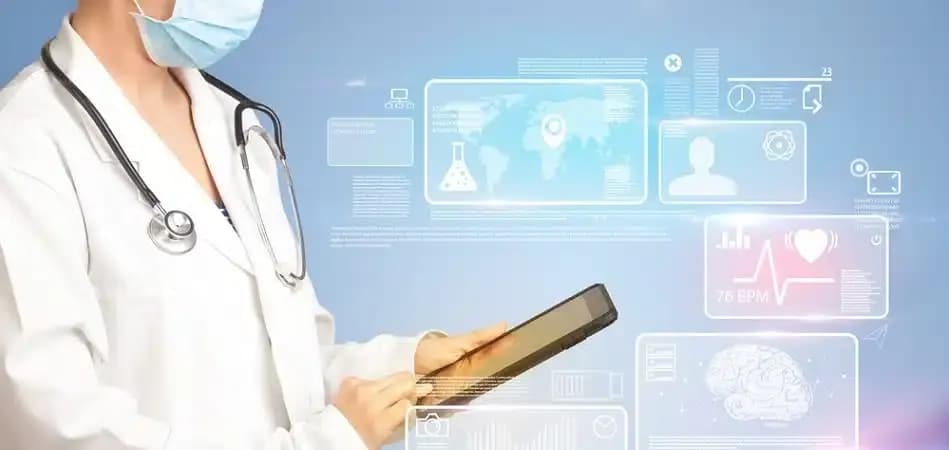
In the era of digital healthcare, improving patient outcomes requires more than just traditional clinical care. Healthcare providers are increasingly leveraging technology to deliver personalized, proactive, and data-driven care. Among the most powerful tools driving this transformation are machine learning (ML) and healthcare CRM (Customer Relationship Management) systems. By combining predictive analytics with robust patient management, healthcare organizations can optimize care delivery, improve patient engagement, and ultimately enhance outcomes.
Understanding Machine Learning in Healthcare
Machine learning is a branch of artificial intelligence that enables systems to learn from data, identify patterns, and make predictions or decisions without explicit programming. In healthcare, ML can analyze vast amounts of patient data—from electronic health records (EHRs) to lab results and behavioral data—to uncover insights that clinicians might otherwise miss.
Applications of ML in healthcare include:
- Predicting patient readmissions
- Identifying high-risk patients for chronic diseases
- Detecting early signs of conditions like sepsis or heart disease
- Optimizing treatment plans based on historical outcomes
While ML provides the predictive power, healthcare CRM systems ensure that these insights are translated into actionable strategies that improve patient care.
The Role of Healthcare CRM
A healthcare CRM system centralizes patient information, tracks interactions, and manages communications across multiple channels. Unlike standard EHRs, which primarily store medical records, a healthcare CRM focuses on relationship management, patient engagement, and proactive care coordination. Key capabilities include:
- Centralized Patient Data: Consolidates clinical, demographic, and behavioral data for a comprehensive patient view.
- Automated Reminders: Sends alerts for appointments, medication schedules, and preventive screenings.
- Personalized Communication: Delivers targeted messages and health education based on patient needs.
- Analytics and Reporting: Tracks patient outcomes, adherence rates, and engagement metrics.
When integrated with machine learning, healthcare CRMs can transform raw data into actionable insights that directly influence patient outcomes.
How Machine Learning and Healthcare CRM Work Together
The integration of ML and healthcare CRM allows providers to deliver data-driven, personalized care at scale. Here are the key ways this synergy enhances patient outcomes:
1. Predictive Analytics for Proactive Care
Machine learning algorithms can analyze patient data within a CRM to identify patterns and predict health risks. For example, a patient with early signs of diabetes or heart disease can be flagged for proactive intervention. The CRM then manages follow-ups, educational resources, and alerts, ensuring the patient receives timely care before conditions worsen.
2. Personalized Treatment Plans
By leveraging ML insights, healthcare CRMs can help providers design individualized care plans. Patients receive tailored recommendations based on their medical history, lifestyle factors, and predicted risk profiles. This personalization improves adherence to treatment plans and fosters better health outcomes.
3. Enhanced Patient Engagement
Engaged patients are more likely to follow care plans and attend follow-ups. Machine learning can segment patients based on behavior, risk factors, and communication preferences, enabling healthcare CRMs to send personalized messages, reminders, and health tips. For instance, patients prone to missing appointments can receive timely notifications and motivational messages to encourage adherence.
4. Optimized Resource Allocation
Healthcare organizations can use ML-driven insights to optimize staff scheduling, prioritize high-risk patients, and allocate resources effectively. By understanding which patients require urgent attention, clinics can reduce bottlenecks, improve workflow efficiency, and ensure that every patient receives the right care at the right time.
5. Continuous Monitoring and Improvement
Machine learning models continuously learn from new data, while healthcare CRMs track patient interactions and outcomes. This feedback loop allows providers to refine predictive models, improve care strategies, and identify trends that support evidence-based decision-making.
Real-World Impact on Patient Outcomes
Healthcare organizations that integrate ML with CRM report measurable improvements in patient outcomes, including:
- Reduced hospital readmissions through early intervention
- Increased preventive care adherence and wellness program participation
- Better management of chronic diseases via personalized care plans
- Improved patient satisfaction and engagement through tailored communication
For example, a clinic using a healthcare CRM integrated with ML can identify patients at high risk of hospitalization, send targeted interventions, and monitor adherence—all while keeping the care team informed in real time. This proactive approach reduces complications, shortens recovery times, and enhances overall patient well-being.
Challenges and Considerations
Despite its benefits, integrating machine learning with healthcare CRM presents challenges:
- Data Quality: ML models are only as effective as the data they use. Inaccurate or incomplete records can lead to unreliable predictions.
- Privacy and Security: Patient data must be protected in compliance with HIPAA and other regulations.
- Staff Training: Clinicians and administrative staff need training to interpret ML insights and use CRM tools effectively.
- System Integration: Ensuring seamless connectivity between EHRs, CRM, and ML platforms is crucial for operational efficiency.
Healthcare organizations must address these challenges thoughtfully to maximize the impact of ML and CRM on patient care.
The Future of Patient-Centered Care
The combination of machine learning and healthcare CRM represents a shift toward predictive, personalized, and proactive healthcare. As AI models evolve and data analytics become more sophisticated, providers can anticipate patient needs, intervene early, and foster stronger patient-provider relationships.
Ultimately, integrating ML with healthcare CRM is more than a technological advancement—it’s a strategy to enhance patient outcomes, improve operational efficiency, and deliver care that is truly patient-centered. Healthcare organizations that embrace this synergy are positioning themselves to meet the demands of a modern, digital-first healthcare environment.
Conclusion
Enhancing patient outcomes requires a combination of advanced technology and effective patient relationship management. Machine learning provides predictive insights, while healthcare CRM systems translate those insights into actionable, personalized care. Together, they enable proactive interventions, personalized treatment plans, and improved patient engagement.
Healthcare providers that leverage this powerful combination are not only improving outcomes—they are redefining the standard of care for the digital age.
The Doctorna editorial desk writes about healthcare operations, patient experience and the systems clinics use to connect them.