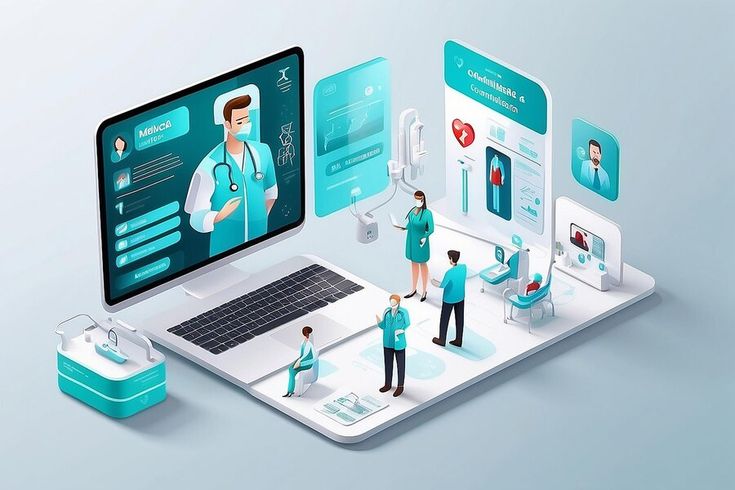

The healthcare sector is witnessing a profound digital transformation, driven by the convergence of advanced technologies like artificial intelligence (AI), data analytics, and the Internet of Things (IoT). Among these innovations, robotics is emerging as a key player reshaping patient care, hospital management, and operational efficiency. When integrated with Healthcare CRM (Customer Relationship Management) systems, robotics offers a revolutionary approach to improving patient engagement, streamlining administrative workflows, and enhancing overall care quality.
In this blog, we will explore how robotics is influencing healthcare CRM systems, the benefits it offers, and how it is redefining the patient experience for the future of smart healthcare.
1. Understanding Healthcare CRM Systems
Healthcare CRM systems are designed to help medical organizations manage patient data, streamline communication, and personalize care delivery. Unlike traditional CRMs that focus primarily on sales or customer service, healthcare CRMs integrate patient-centric features such as appointment scheduling, medical history tracking, follow-up reminders, and patient engagement analytics.
These systems aim to:
- Improve patient relationships through targeted communication
- Automate workflows such as appointment reminders and billing
- Enhance collaboration between departments
- Leverage data analytics for informed decision-making
When robotics enters this ecosystem, it amplifies these functions with automation, precision, and real-time responsiveness—bringing healthcare operations closer to the vision of intelligent, patient-driven care.
2. The Intersection of Robotics and Healthcare CRM
Robotics in healthcare has traditionally been associated with surgery, rehabilitation, and logistics. However, the integration of robotics into CRM systems takes its potential even further. It allows healthcare providers to not only perform medical procedures more effectively but also manage patient relationships and operational workflows with minimal human error.
Here’s how robotics enhances healthcare CRM systems:
a. Automation of Administrative Tasks
Robotic Process Automation (RPA) can be seamlessly integrated into CRM systems to handle repetitive administrative tasks—such as patient data entry, insurance verification, and appointment confirmations. These robots work 24/7, ensuring accuracy, consistency, and efficiency.
This automation reduces the workload of healthcare staff, allowing them to focus on patient care rather than paperwork.
b. Enhancing Patient Interaction
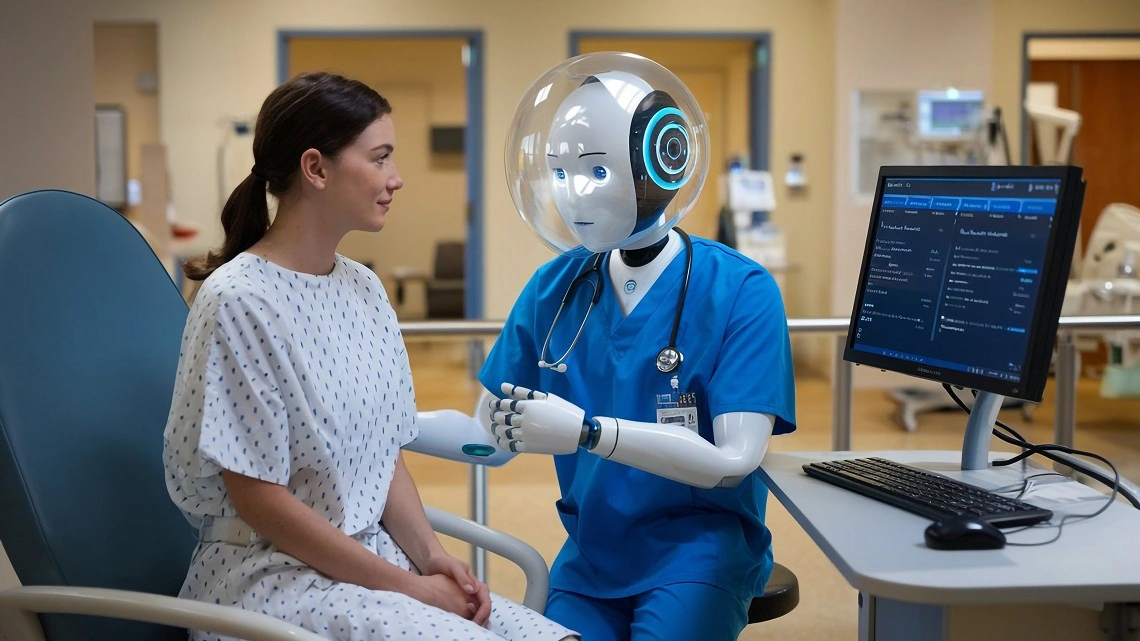
Robotic systems—especially conversational robots powered by AI—can be connected to healthcare CRMs to interact directly with patients. These robots can greet patients at hospitals, guide them to departments, provide information about doctors, or collect pre-consultation data that automatically syncs with the CRM system.
Such interactions not only improve patient satisfaction but also enhance data accuracy within the CRM.
c. Real-Time Data Collection
Robots used in patient monitoring, rehabilitation, or telemedicine collect real-time health data—such as heart rate, temperature, and mobility statistics. When integrated with a CRM, this data becomes a valuable resource for healthcare providers. It allows them to deliver personalized treatment plans, monitor progress remotely, and ensure timely interventions.
d. Improved Patient Follow-Up and Support
Through CRM-driven automation, robots can send reminders to patients for medication, follow-up appointments, or health check-ups. In hospitals or elder care facilities, service robots can assist in reminding patients about therapy schedules or even physically guide them to their next appointment.
3. Benefits of Robotics-Integrated Healthcare CRM Systems
The synergy between robotics and CRM technologies brings multiple benefits to healthcare organizations. Some of the most impactful include:
a. Enhanced Operational Efficiency
Robotics reduces manual intervention in repetitive processes. When combined with CRM workflows, hospitals can achieve faster patient registrations, seamless data synchronization, and minimal administrative delays. This boosts productivity across all departments.
b. Improved Patient Experience
CRM-powered robots personalize interactions based on patient data. From customized greetings to reminders about specific treatment plans, every touchpoint becomes tailored—enhancing overall patient satisfaction.
c. Data Accuracy and Security
Manual data entry is prone to human error. Robotics integrated with CRM ensures data is automatically captured, validated, and stored securely. It also supports compliance with data protection standards such as HIPAA by reducing human access to sensitive information.
d. 24/7 Availability
Unlike human staff, robots can operate continuously. This enables round-the-clock CRM functionality—such as responding to patient inquiries, managing data, or performing system updates—without downtime.
e. Predictive and Preventive Healthcare
By merging robotic sensors and CRM analytics, healthcare providers can predict potential health risks. For example, robots monitoring patient vitals can trigger alerts in the CRM if anomalies are detected. Physicians can then proactively address the issue, reducing emergency occur
4. Real-World Applications
Several healthcare institutions globally are already adopting robotic solutions integrated with CRMs:
- Hospital Reception Robots: Robots equipped with facial recognition and CRM connectivity can identify patients upon arrival, verify appointments, and print queue tokens.
- Telepresence Robots: These allow remote consultations while syncing data with the hospital’s CRM, ensuring seamless communication between doctor and patient.
- Robotic Pharmacy Systems: Robots dispense prescribed medicines and automatically update the CRM with prescription fulfillment data.
- Rehabilitation Robots: Integrated with CRM systems, these track a patient’s recovery metrics and send automated updates to physiotherapists.
These applications demonstrate how robotics, when synchronized with CRM platforms, creates a connected, intelligent, and efficient healthcare environment.
5. Challenges and Considerations
Despite the benefits, integrating robotics with CRM systems poses challenges:
- High Implementation Costs: Robotics technology, combined with CRM customization, requires significant investment.
- Data Integration Complexity: Synchronizing data between robotic systems and CRMs demands robust APIs and data management frameworks.
- Staff Training: Healthcare workers must adapt to using robotic-assisted CRM systems effectively.
- Cybersecurity Concerns: As more devices connect to patient data, ensuring data privacy and system security becomes paramount.
However, these challenges are gradually being overcome as healthcare organizations recognize the long-term value of automation and patient-centric technologies.
6. The Future of Robotics in Healthcare CRM
The future of healthcare CRM lies in intelligent automation—where robotics, AI, and machine learning work in harmony to deliver predictive, personalized, and preventive care.
We can expect to see robotic systems acting as real-time data bridges between patients and CRM databases, enabling healthcare providers to make faster and more informed decisions.
Moreover, as 5G and cloud computing continue to evolve, real-time communication between robotic systems and cloud-based CRMs will become faster and more reliable—leading to a new era of smart hospitals and connected care ecosystems.
Conclusion
The integration of robotics in healthcare CRM systems is not just a technological upgrade—it’s a strategic transformation. By combining automation, intelligence, and empathy, this synergy is revolutionizing how healthcare providers engage with patients and manage their operations.
From improving patient experience to ensuring precision in data management, robotics-enabled CRMs are setting new standards for the future of healthcare—making it more efficient, patient-focused, and responsive than ever before.