

The healthcare industry is undergoing a significant technological evolution. Healthcare organizations are increasingly adopting digital solutions to improve patient care, streamline operations, and enhance communication. Among the most impactful technologies driving this change is Healthcare Customer Relationship Management (CRM). Understanding the relationship between Healthcare CRM and Digital Transformation in Healthcare is essential for healthcare providers seeking to improve efficiency, strengthen patient relationships, and remain competitive in an increasingly digital environment.
Digital transformation is not simply about replacing paper-based processes with electronic systems. It involves reimagining how healthcare services are delivered, managed, and optimized through technology. Healthcare CRM systems play a crucial role in this transformation by helping organizations manage patient interactions, automate workflows, and deliver more personalized healthcare experiences.
Understanding Digital Transformation in Healthcare
Digital transformation in healthcare refers to the integration of advanced technologies into healthcare operations, patient services, and clinical processes. The goal is to improve efficiency, enhance patient outcomes, and create a more connected healthcare ecosystem.
Healthcare providers are adopting digital technologies such as:
- Electronic Medical Records (EMR)
- Electronic Health Records (EHR)
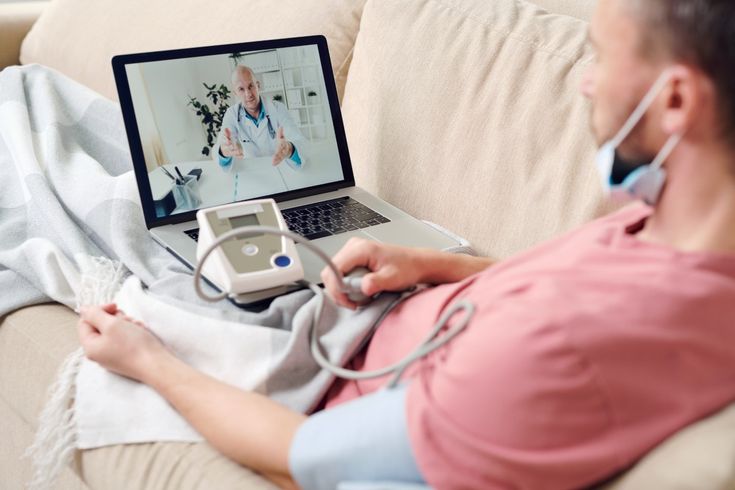
- Telemedicine platforms
- Artificial Intelligence tools
- Cloud-based systems
- Mobile healthcare applications
- Healthcare CRM solutions
These technologies enable healthcare organizations to provide faster, more accurate, and more personalized care while reducing operational inefficiencies.
What Is Healthcare CRM?
A Healthcare CRM is a specialized customer relationship management system designed specifically for healthcare organizations. Unlike traditional CRM platforms, healthcare CRM solutions focus on patient engagement, communication management, appointment coordination, care continuity, and relationship building.
Healthcare CRM systems help providers:
- Manage patient information
- Automate communication
- Improve appointment scheduling
- Coordinate follow-ups
- Enhance patient experiences
- Track patient interactions
- Support healthcare marketing initiatives
As healthcare becomes increasingly patient-centered, CRM technology has become a key component of successful digital transformation strategies.
The Role of Healthcare CRM in Digital Transformation
Healthcare CRM acts as a bridge between patients, healthcare providers, and administrative teams. It helps create a connected healthcare environment where information flows efficiently and patient experiences are continuously improved.
The integration of Healthcare CRM and Digital Transformation in Healthcare allows organizations to modernize operations while maintaining a strong focus on patient care.
CRM systems support digital transformation by centralizing data, automating repetitive tasks, improving communication, and enabling data-driven decision-making.
Improving Patient Engagement
Patient engagement is one of the most important objectives of modern healthcare organizations. Engaged patients are more likely to follow treatment plans, attend appointments, and participate actively in their healthcare journey.
Healthcare CRM systems improve engagement through:
- Personalized communication
- Appointment reminders
- Follow-up notifications
- Health education campaigns
- Preventive care alerts
- Wellness program updates
Automated engagement strategies ensure patients remain connected with healthcare providers throughout their care journey.
Enhancing Patient Experience
Patient expectations have evolved significantly in the digital age. Individuals now expect healthcare services to provide convenience, accessibility, and personalized interactions.
Healthcare CRM platforms help organizations deliver better experiences by providing a comprehensive view of patient interactions and preferences.
Benefits include:
- Faster response times
- Personalized communications
- Simplified appointment scheduling
- Consistent follow-up care
- Improved service coordination
Enhanced patient experiences contribute to higher satisfaction levels and stronger patient loyalty.
Streamlining Administrative Workflows
Administrative inefficiencies can impact both patient care and operational performance. Healthcare CRM systems help automate routine administrative tasks, reducing workload and improving productivity.
Automation can support:
- Patient registration
- Appointment scheduling
- Reminder management
- Follow-up coordination
- Data entry processes
- Reporting activities
By reducing manual work, healthcare organizations can allocate more resources toward patient-centered services.
Centralized Patient Data Management
One of the most valuable aspects of healthcare CRM is its ability to centralize patient information.
Healthcare providers can access:
- Contact information
- Appointment histories
- Communication records
- Treatment plans
- Referral information
- Patient preferences
Centralized data improves coordination among healthcare teams and ensures that accurate information is readily available when needed.
This accessibility supports faster decision-making and more efficient healthcare delivery.
Supporting Personalized Healthcare
Personalization is becoming a defining characteristic of modern healthcare services. Patients expect care experiences tailored to their individual needs and circumstances.
Healthcare CRM systems enable personalization by collecting and analyzing patient data. Providers can use these insights to deliver customized communication, targeted health education, and individualized care plans.
Personalized healthcare contributes to improved patient outcomes and stronger provider-patient relationships.
Strengthening Communication Channels
Effective communication is fundamental to successful healthcare delivery. Healthcare CRM platforms provide multiple communication channels that improve accessibility and responsiveness.
These channels may include:
- Email communication
- SMS messaging
- Patient portals
- Mobile notifications
- Telehealth integrations
Automated communication ensures that important information reaches patients promptly while reducing administrative effort.
Data-Driven Decision Making
Digital transformation relies heavily on data. Healthcare CRM systems provide valuable insights through analytics and reporting capabilities.
Organizations can monitor:
- Patient engagement levels
- Appointment trends
- Service utilization
- Marketing effectiveness
- Operational performance
- Patient satisfaction metrics
Data-driven decision-making helps healthcare leaders identify opportunities for improvement and develop more effective strategies.
Integration with Healthcare Technologies
Modern healthcare environments use multiple digital systems. Healthcare CRM platforms often integrate with:
- Electronic Medical Records
- Electronic Health Records
- Billing systems
- Telemedicine platforms
- Patient portals
- Practice management software
These integrations create a connected ecosystem where information flows seamlessly across departments and systems.
Integration eliminates duplicate data entry, reduces errors, and improves overall efficiency.
Improving Healthcare Marketing
Healthcare organizations increasingly use digital marketing to attract and retain patients. Healthcare CRM systems support marketing efforts by organizing patient data and automating outreach campaigns.
CRM-driven marketing can include:
- Preventive care reminders
- Wellness campaigns
- Health awareness initiatives
- Service promotions
- Educational content distribution
Targeted communication improves engagement and helps healthcare providers build stronger patient relationships.
Enhancing Operational Efficiency
Efficiency is a major objective of digital transformation initiatives. Healthcare CRM systems contribute by simplifying workflows, automating repetitive processes, and improving collaboration across teams.
Operational improvements include:
- Reduced administrative workload
- Faster response times
- Improved scheduling efficiency
- Better resource allocation
- Enhanced team coordination
These benefits help healthcare organizations operate more effectively while maintaining high-quality patient care.
Future Trends in Healthcare CRM
The future of Healthcare CRM and Digital Transformation in Healthcare is expected to be shaped by emerging technologies such as artificial intelligence, predictive analytics, machine learning, and automation.
Future CRM systems may provide:
- Predictive patient engagement
- Automated care recommendations
- Intelligent scheduling
- Advanced patient segmentation
- Personalized treatment support
These innovations will further enhance efficiency and improve healthcare delivery outcomes.
Conclusion
Healthcare CRM and Digital Transformation in Healthcare are closely connected in creating more efficient, patient-centered healthcare systems. Healthcare CRM platforms help organizations improve patient engagement, streamline workflows, centralize data, strengthen communication, and support data-driven decision-making.
As healthcare continues to embrace digital innovation, CRM technology will remain a critical component of transformation strategies. Organizations that invest in advanced healthcare CRM solutions can enhance operational performance, improve patient experiences, and position themselves for long-term success in an increasingly digital healthcare landscape.